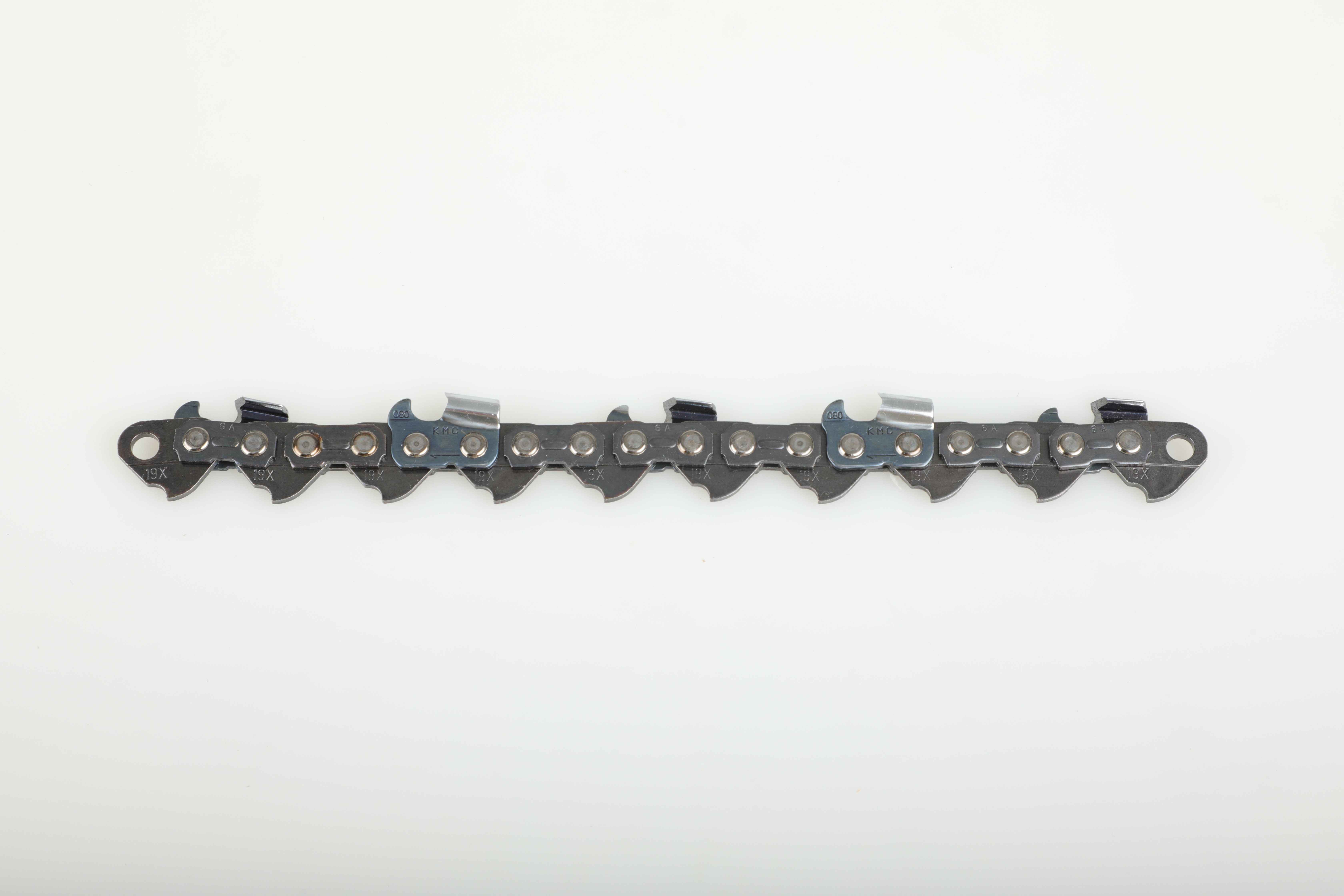
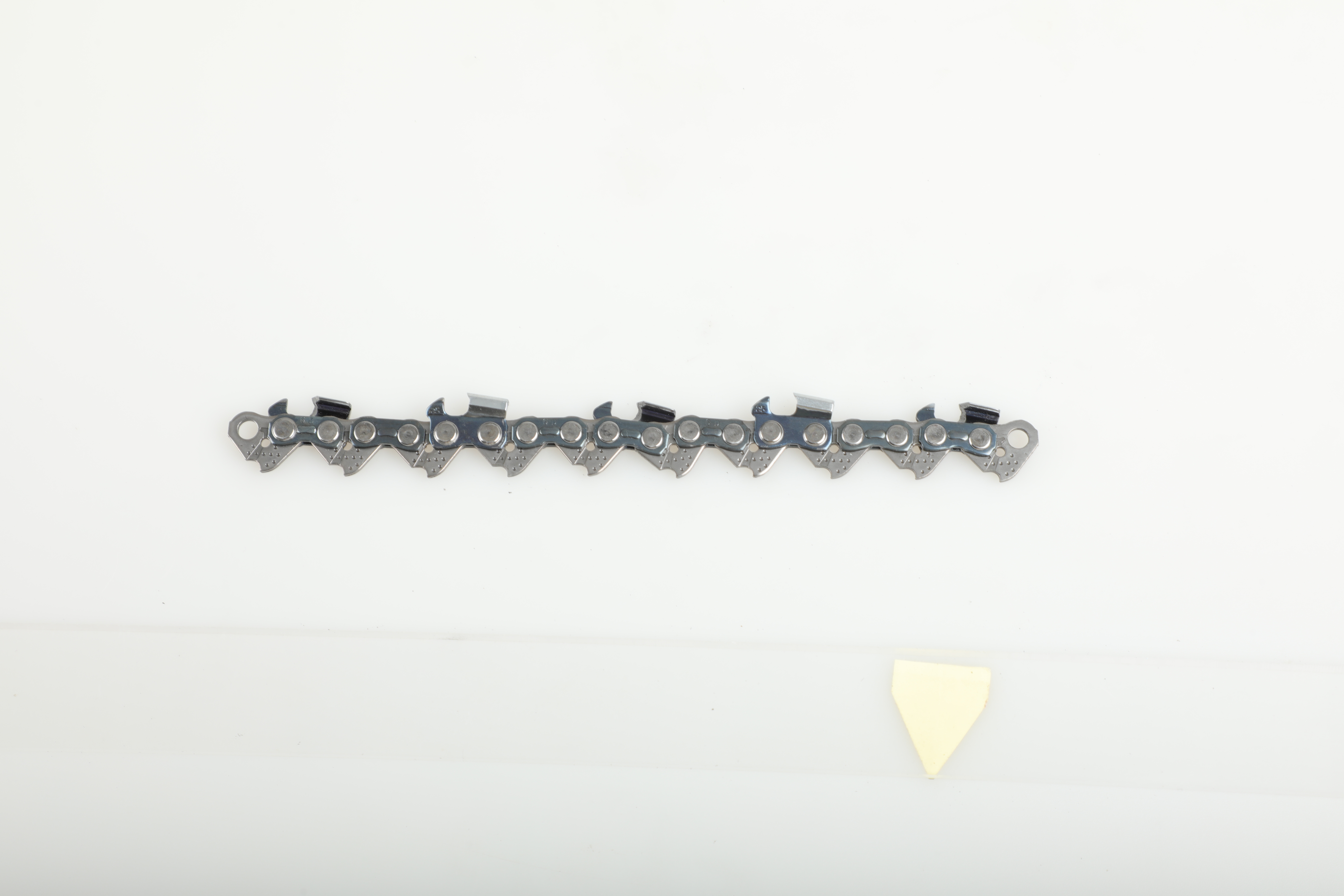
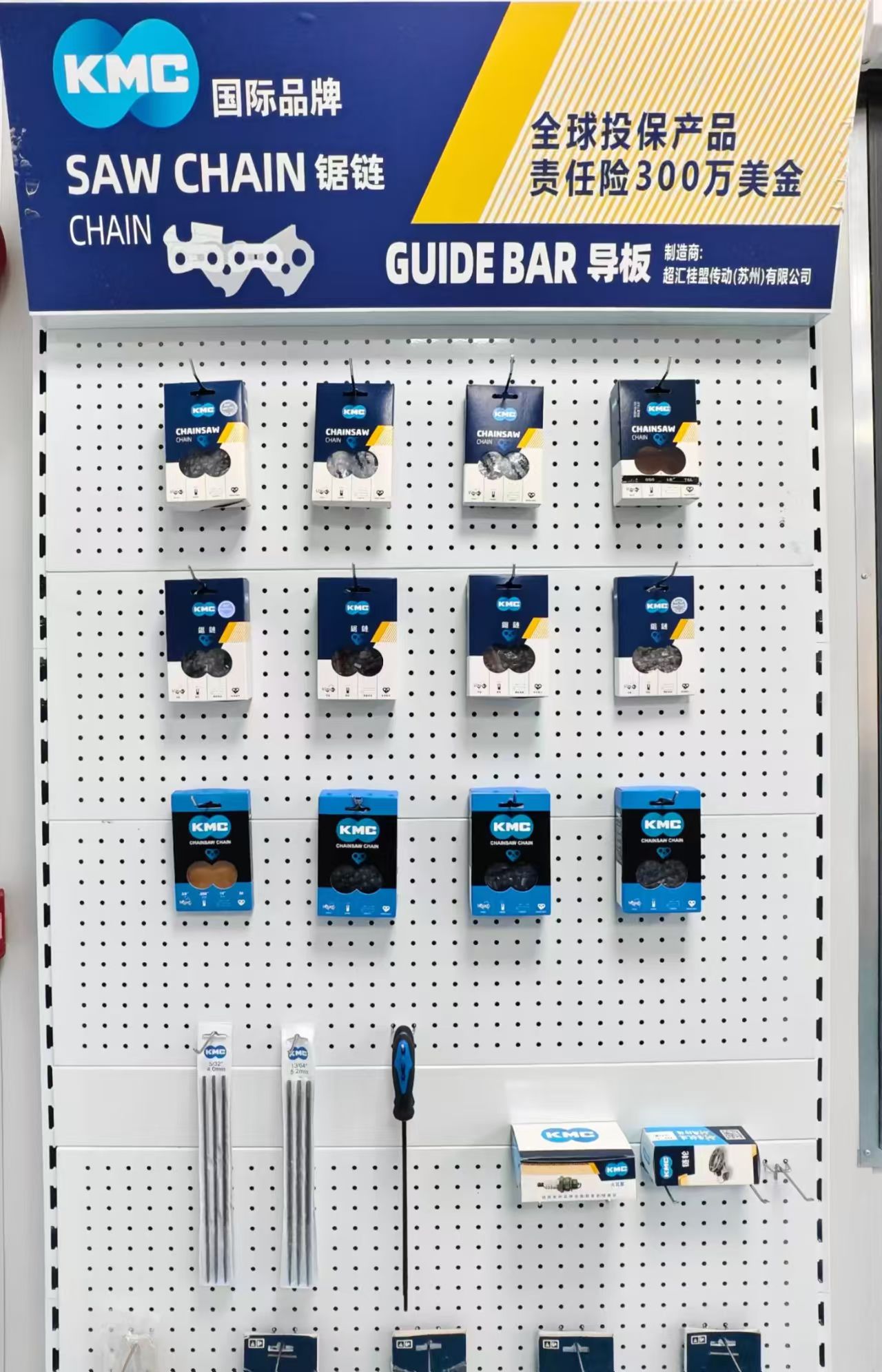
Quick answer: A replacement chainsaw chain must match three fit values: pitch, gauge and exact drive-link count. It must also suit the saw class, bar, sprocket, cutter or chassis design and intended cutting job. Read verified equipment markings or measure carefully; guide-bar length and brand name alone do not uniquely identify the correct loop.
Replacement errors often happen because buyers start with the visible length of the bar or an equipment brand. Those clues are useful, but they are incomplete. This guide gives a five-part check that works for individual owners and professional parts counters while keeping safety and compatibility claims within verified information.
- Start with verified markings and records.
- Match the drive system exactly.
- Use the drive-link thickness intended for the bar.
- Count the links that run in the bar groove.
- Select behavior after physical fit is confirmed.
Table of Contents
- Find Reliable Saw and Guide-Bar Information
- Confirm Chainsaw Chain Pitch
- Match Gauge to the Bar Groove
- Count Drive Links for Correct Loop Length
- Choose Chain Form for the Saw and Job
- Install, Inspect and Maintain the Replacement
- Frequently Asked Questions
- Conclusion
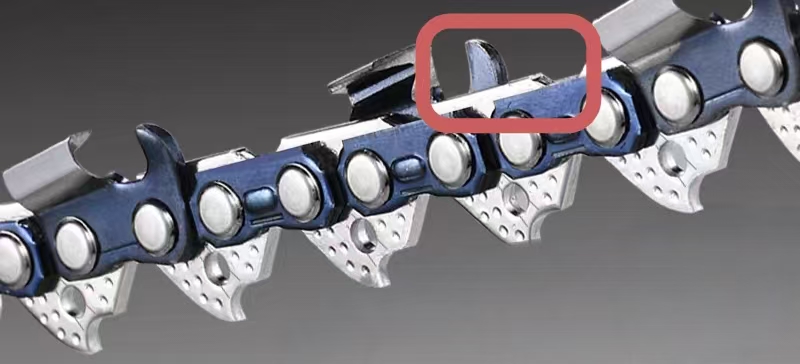
A replacement loop must match pitch, gauge and drive-link count before cutter style is considered.
Find Reliable Saw and Guide-Bar Information
The saw manual, bar tail, old loop package and service record may each contain part of the required specification. For saw owners, repair shops and distributors replacing a worn or damaged loop, this point should be connected to a written product or order requirement rather than left as a general preference. The response is easier to compare when every candidate uses the same terminology and confirms any exception before work begins.
The practical action is to photograph markings and compare them instead of relying on memory Keep the result with the quotation, sample or order record so later decisions use the approved version. When several chain configurations are involved, separate them by pitch, gauge and drive-link count instead of combining different loops in one description.
A common failure is using an online listing or old package that belongs to a different bar setup The guardrail is to confirm information against the equipment currently installed This does not eliminate every supply or operating risk, but it makes the decision visible, reviewable and easier to correct before a full order is packed or used.
| Decision point | What to confirm | Why it matters |
|---|---|---|
| Pitch | Match sprocket and bar system | Controls drive spacing |
| Gauge | Match the guide-bar groove | Controls drive-link fit |
| Drive links | Use the exact count | Controls loop length |
| Chain form | Match saw class and job | Affects use and maintenance |
| Identification | Keep one code per configuration | Prevents mixed replacements |
Confirm Chainsaw Chain Pitch
Pitch describes drive-link spacing and must agree with the sprocket and bar system. For saw owners, repair shops and distributors replacing a worn or damaged loop, this point should be connected to a written product or order requirement rather than left as a general preference. The response is easier to compare when every candidate uses the same terminology and confirms any exception before work begins.
The practical action is to use the pitch guide or a verified marking before ordering Keep the result with the quotation, sample or order record so later decisions use the approved version. When several chain configurations are involved, separate them by pitch, gauge and drive-link count instead of combining different loops in one description.
A common failure is treating 3/8 low profile and standard 3/8 as interchangeable The guardrail is to write the full pitch category and stop when evidence conflicts This does not eliminate every supply or operating risk, but it makes the decision visible, reviewable and easier to correct before a full order is packed or used.
Match Gauge to the Bar Groove
Gauge is independent from pitch and is commonly stated in inches with a millimeter equivalent. For saw owners, repair shops and distributors replacing a worn or damaged loop, this point should be connected to a written product or order requirement rather than left as a general preference. The response is easier to compare when every candidate uses the same terminology and confirms any exception before work begins.
The practical action is to read the bar or measure with an appropriate method and compare with the chain specification Keep the result with the quotation, sample or order record so later decisions use the approved version. When several chain configurations are involved, separate them by pitch, gauge and drive-link count instead of combining different loops in one description.
A common failure is forcing a thick drive link into the groove or using a loose narrow link The guardrail is to replace or inspect worn components when fit remains abnormal This does not eliminate every supply or operating risk, but it makes the decision visible, reviewable and easier to correct before a full order is packed or used.
Count Drive Links for Correct Loop Length
Two bars with the same nominal length can require different loop counts because their mount and tensioning geometry differ. For saw owners, repair shops and distributors replacing a worn or damaged loop, this point should be connected to a written product or order requirement rather than left as a general preference. The response is easier to compare when every candidate uses the same terminology and confirms any exception before work begins.
The practical action is to mark a starting drive link and count one complete circuit on a known correct loop Keep the result with the quotation, sample or order record so later decisions use the approved version. When several chain configurations are involved, separate them by pitch, gauge and drive-link count instead of combining different loops in one description.
A common failure is counting cutters or assuming bar length fixes the count The guardrail is to record the exact drive-link total on the replacement order This does not eliminate every supply or operating risk, but it makes the decision visible, reviewable and easier to correct before a full order is packed or used.
Choose Chain Form for the Saw and Job
Low-profile, full-chisel, semi-chisel and other forms have different use and maintenance characteristics. For saw owners, repair shops and distributors replacing a worn or damaged loop, this point should be connected to a written product or order requirement rather than left as a general preference. The response is easier to compare when every candidate uses the same terminology and confirms any exception before work begins.
The practical action is to compare the saw manufacturer guidance, operator experience and cutting environment Keep the result with the quotation, sample or order record so later decisions use the approved version. When several chain configurations are involved, separate them by pitch, gauge and drive-link count instead of combining different loops in one description.
A common failure is choosing an aggressive cutter for an unsuitable saw or contaminated material The guardrail is to use the chain types guide and approved equipment information This does not eliminate every supply or operating risk, but it makes the decision visible, reviewable and easier to correct before a full order is packed or used.
Install, Inspect and Maintain the Replacement
A correct loop still needs proper direction, tension, lubrication and inspection of the bar and sprocket. For saw owners, repair shops and distributors replacing a worn or damaged loop, this point should be connected to a written product or order requirement rather than left as a general preference. The response is easier to compare when every candidate uses the same terminology and confirms any exception before work begins.
The practical action is to follow the equipment instructions and check free movement before controlled use Keep the result with the quotation, sample or order record so later decisions use the approved version. When several chain configurations are involved, separate them by pitch, gauge and drive-link count instead of combining different loops in one description.
A common failure is assuming a new chain will correct a worn bar, sprocket or lubrication problem The guardrail is to stop when fit or movement is abnormal and have the system inspected This does not eliminate every supply or operating risk, but it makes the decision visible, reviewable and easier to correct before a full order is packed or used.
Frequently Asked Questions
Can I buy a replacement chain using bar length only?
No. Bar length does not uniquely identify pitch, gauge or drive-link count. Use verified saw and guide-bar information and confirm all three fit values before selecting a chain form.
What exactly should I count on the old chain?
Count the drive links, which travel in the bar groove. Mark one link and count around the entire loop once. Do not count cutters, because cutter count is not the required loop-length value.
What if the bar marking and old chain disagree?
Stop and determine which components are currently installed and correct. The saw may have a replacement bar or sprocket. A repair professional or the equipment documentation can help resolve conflicting information.
Where can I compare KMC replacement categories?
Browse the product categories and send pitch, gauge, drive-link count and application details through the contact page.
Conclusion
Choosing a replacement chainsaw chain is a fit-first process. Confirm pitch, gauge and drive-link count, then choose a chain form that suits the saw and job. Install it with the equipment guidance and inspect the full bar, sprocket and lubrication system whenever movement or fit is abnormal.