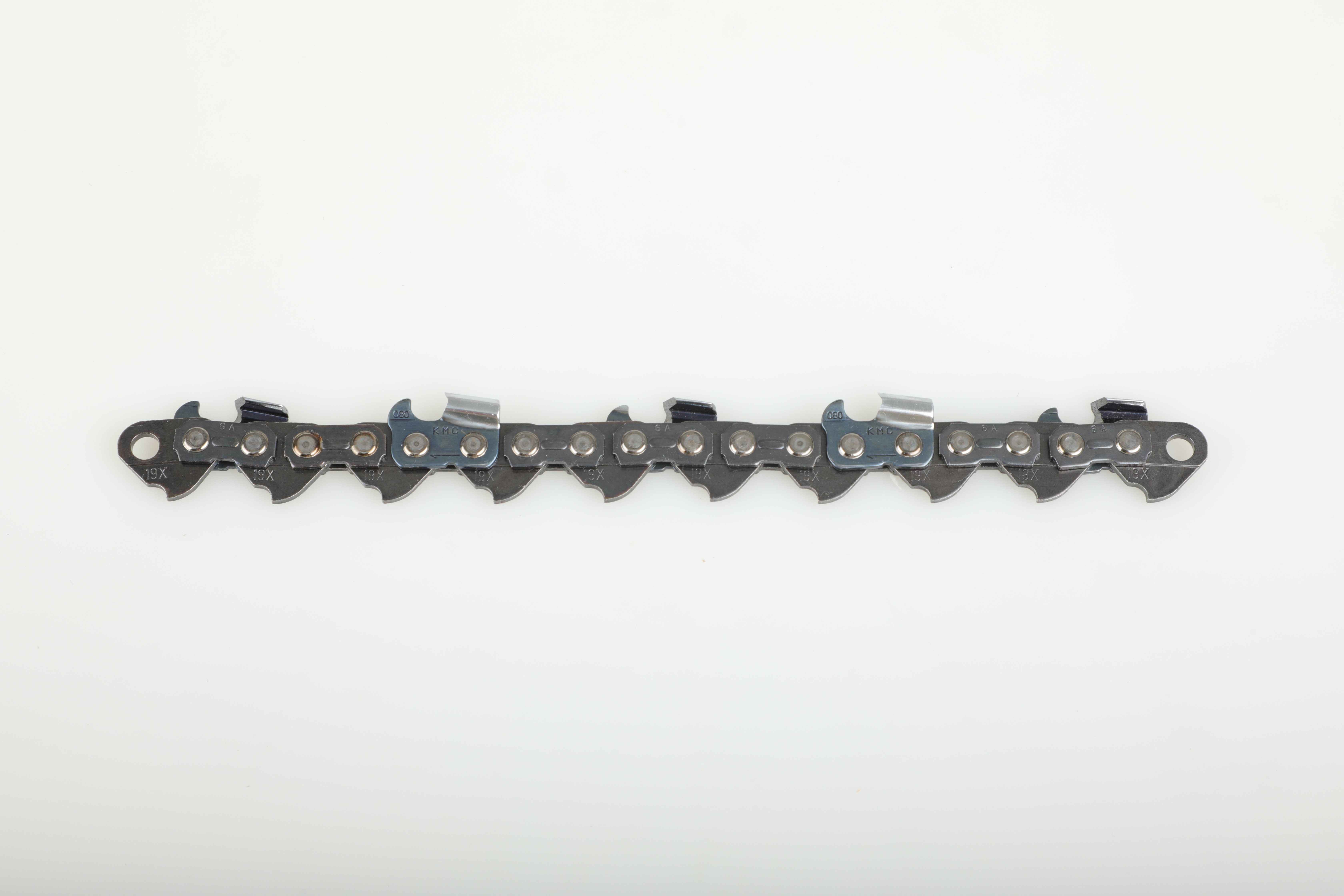
Quick answer: Chainsaw chain exporter documentation should connect the commercial quotation, purchase order, product matrix, invoice, packing list, carton marks and shipment information. Every document should use consistent product codes, descriptions, quantities and units. The importer must separately confirm destination rules, while the exporter should reproduce agreed product and packing data accurately.
International orders add document and handoff risks to the physical chain risks. A correct loop can still be delayed or misreceived when descriptions, quantities or carton marks disagree. This guide explains the practical information flow between exporter and buyer without presenting destination-specific legal advice.
- Use one identity across all documents.
- Compare equal scope and delivery assumptions.
- Make totals traceable to cartons and SKUs.
- Help the destination warehouse identify goods.
- Assign responsibility explicitly.
Table of Contents
- Build a Consistent Product Description and Code
- Review the Quotation and Commercial Basis
- Control Invoice and Packing List Data
- Define Carton Marks and Packing Evidence
- Separate Exporter Duties from Importer Checks
- Archive Shipment Records and Prepare Reorders
- Frequently Asked Questions
- Conclusion

Export documents should repeat the same product codes, quantities and package identity used in the approved order.
Build a Consistent Product Description and Code
The product matrix should link the buyer SKU and exporter code to pitch, gauge, drive links, chain form and package. For importers and distributors buying chains across borders, this point should be connected to a written product or order requirement rather than left as a general preference. The response is easier to compare when every candidate uses the same terminology and confirms any exception before work begins.
The practical action is to approve the wording and units before the pro forma invoice is issued Keep the result with the quotation, sample or order record so later decisions use the approved version. When several chain configurations are involved, separate them by pitch, gauge and drive-link count instead of combining different loops in one description.
A common failure is using different abbreviations that make identical items look different or hide actual differences The guardrail is to maintain a document dictionary and one controlled order matrix This does not eliminate every supply or operating risk, but it makes the decision visible, reviewable and easier to correct before a full order is packed or used.
| Decision point | What to confirm | Why it matters |
|---|---|---|
| Specification | Pitch, gauge, drive links and chain form | Controls physical fit |
| Sample | Measured loop and approved identity | Creates the release reference |
| Quality | Inspection and batch record | Supports repeat consistency |
| Packaging | Product code, proof and carton mark | Prevents mixed goods |
| Change control | Written approval before substitution | Protects repeat orders |
Review the Quotation and Commercial Basis
A quotation should state quantities, unit basis, packaging work, one-time charges and agreed delivery terms. For importers and distributors buying chains across borders, this point should be connected to a written product or order requirement rather than left as a general preference. The response is easier to compare when every candidate uses the same terminology and confirms any exception before work begins.
The practical action is to reconcile every line with the technical matrix and record excluded services Keep the result with the quotation, sample or order record so later decisions use the approved version. When several chain configurations are involved, separate them by pitch, gauge and drive-link count instead of combining different loops in one description.
A common failure is selecting a lower figure that omits labels, cartons, samples or required inspection The guardrail is to normalize scope before commercial approval This does not eliminate every supply or operating risk, but it makes the decision visible, reviewable and easier to correct before a full order is packed or used.
Control Invoice and Packing List Data
Invoice quantities and values should reconcile with the packing list and approved order. For importers and distributors buying chains across borders, this point should be connected to a written product or order requirement rather than left as a general preference. The response is easier to compare when every candidate uses the same terminology and confirms any exception before work begins.
The practical action is to check units, currency, item codes, carton counts, net and gross information as applicable Keep the result with the quotation, sample or order record so later decisions use the approved version. When several chain configurations are involved, separate them by pitch, gauge and drive-link count instead of combining different loops in one description.
A common failure is discovering after dispatch that the same SKU uses different quantities across documents The guardrail is to run a pre-shipment document reconciliation This does not eliminate every supply or operating risk, but it makes the decision visible, reviewable and easier to correct before a full order is packed or used.
Define Carton Marks and Packing Evidence
Carton marks should use approved product or shipment references and match the packing breakdown. For importers and distributors buying chains across borders, this point should be connected to a written product or order requirement rather than left as a general preference. The response is easier to compare when every candidate uses the same terminology and confirms any exception before work begins.
The practical action is to request representative packing photographs and a final carton list before dispatch Keep the result with the quotation, sample or order record so later decisions use the approved version. When several chain configurations are involved, separate them by pitch, gauge and drive-link count instead of combining different loops in one description.
A common failure is placing similar chains in poorly identified cartons or using an obsolete mark The guardrail is to approve marks before packing and verify samples during final inspection This does not eliminate every supply or operating risk, but it makes the decision visible, reviewable and easier to correct before a full order is packed or used.

Separate Exporter Duties from Importer Checks
The importer should verify destination requirements, classifications and market information with qualified local resources. For importers and distributors buying chains across borders, this point should be connected to a written product or order requirement rather than left as a general preference. The response is easier to compare when every candidate uses the same terminology and confirms any exception before work begins.
The practical action is to tell the exporter which confirmed document and package fields are required and by when Keep the result with the quotation, sample or order record so later decisions use the approved version. When several chain configurations are involved, separate them by pitch, gauge and drive-link count instead of combining different loops in one description.
A common failure is assuming a generic export process automatically satisfies every destination The guardrail is to use a responsibility checklist and avoid unsupported legal or certification claims This does not eliminate every supply or operating risk, but it makes the decision visible, reviewable and easier to correct before a full order is packed or used.
Archive Shipment Records and Prepare Reorders
Final documents, inspection records, package proofs and issue notes should remain linked to the order. For importers and distributors buying chains across borders, this point should be connected to a written product or order requirement rather than left as a general preference. The response is easier to compare when every candidate uses the same terminology and confirms any exception before work begins.
The practical action is to complete a receiving reconciliation and record approved corrections for the next shipment Keep the result with the quotation, sample or order record so later decisions use the approved version. When several chain configurations are involved, separate them by pitch, gauge and drive-link count instead of combining different loops in one description.
A common failure is repeating the old order while unresolved document differences remain The guardrail is to issue a revised matrix and confirm changes before the next quotation This does not eliminate every supply or operating risk, but it makes the decision visible, reviewable and easier to correct before a full order is packed or used.
Frequently Asked Questions
What documents are commonly used in an export chain order?
The transaction normally uses a quotation or pro forma invoice, purchase order, commercial invoice, packing list and shipment information. Exact requirements depend on the destination and transaction, so the importer must confirm local needs.
Should product descriptions match on every document?
They should be consistent enough to identify the same SKU, specification, quantity and unit. Use a controlled product dictionary so abbreviations or formatting do not create apparent differences.
Who confirms destination import requirements?
The importer should confirm destination rules with appropriate local customs, logistics or compliance resources. The exporter should accurately prepare the product and packing information that both parties have agreed.
How can an importer request an export quotation from KMC?
Send the chain matrix, quantity, package format and destination information through the contact page. Do not omit pitch, gauge or drive-link count from the product lines.
Conclusion
Reliable chainsaw chain exporter documentation keeps the approved product, carton and commercial records synchronized. Use stable codes, normalize quotations, reconcile invoice and packing data, approve marks, assign destination checks and archive the final shipment. Clear documents make receiving and repeat ordering more controlled.