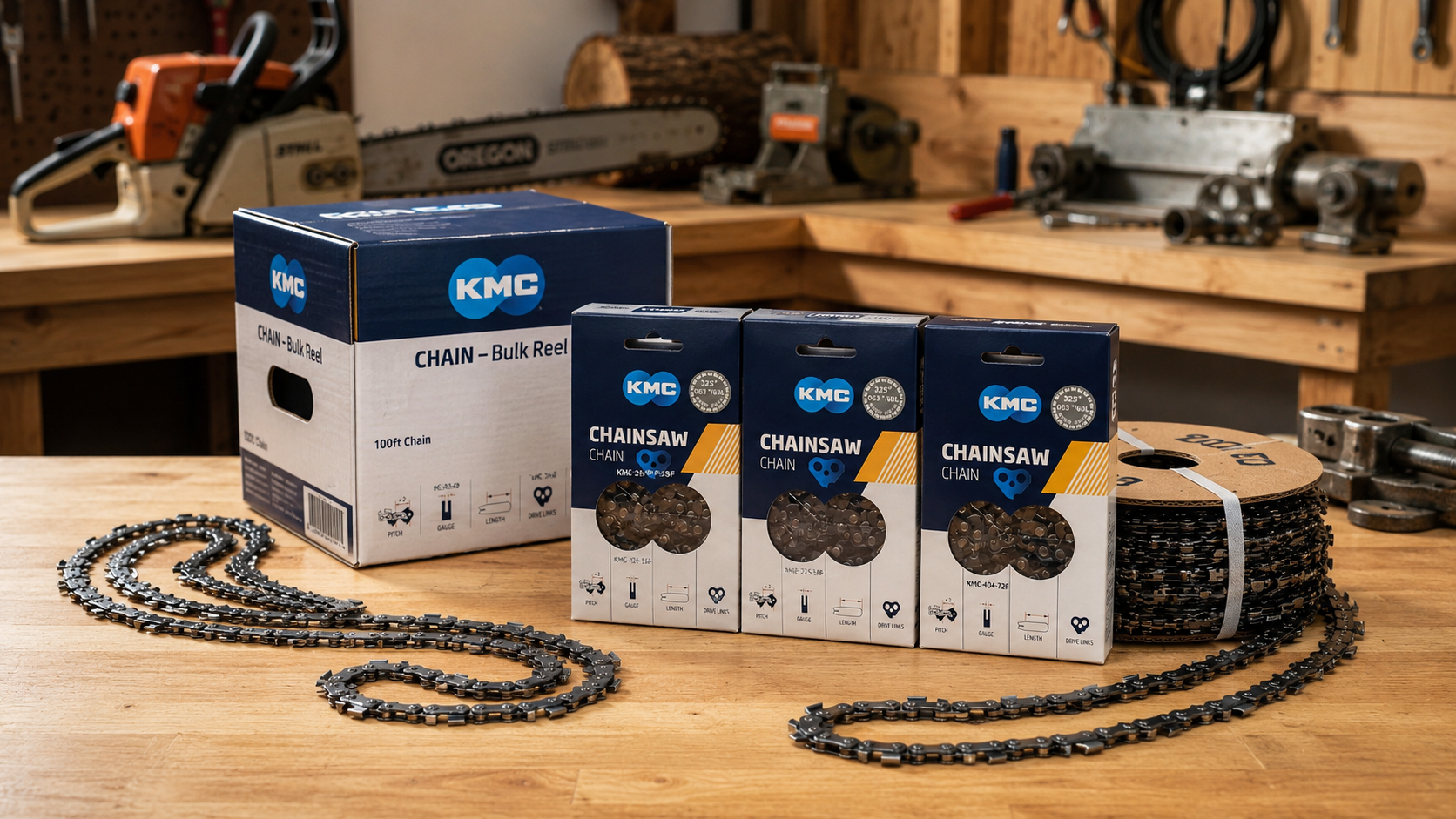
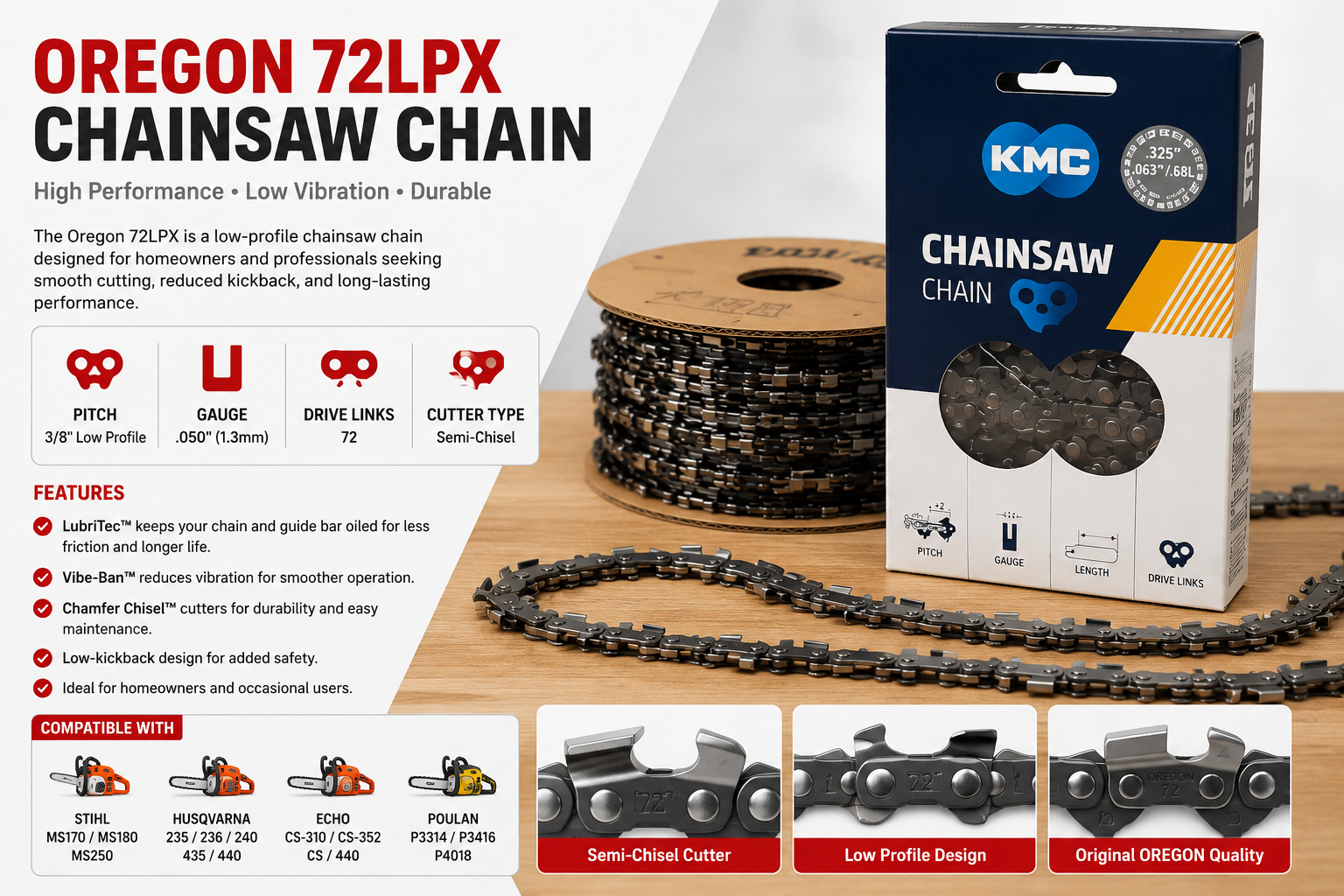
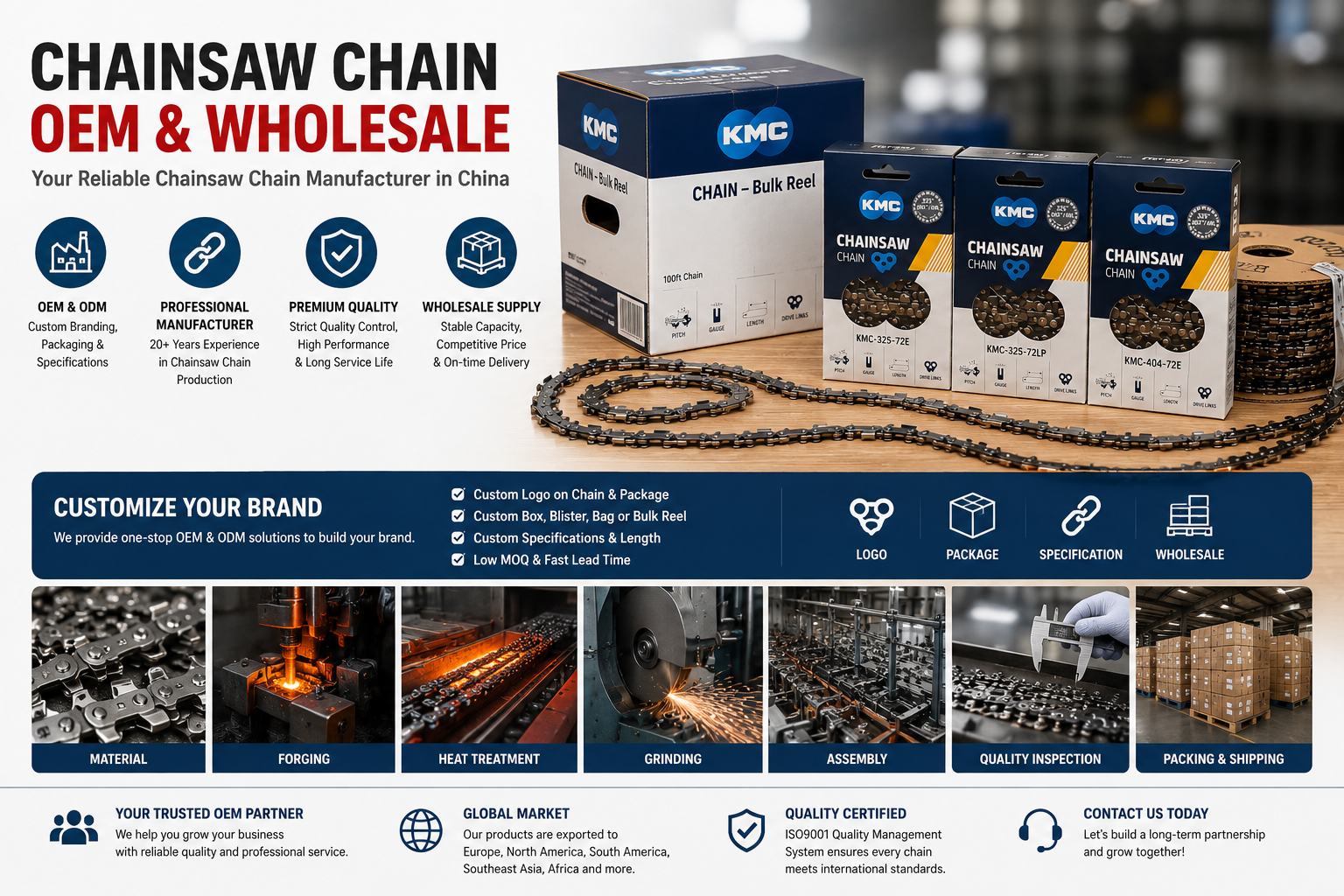
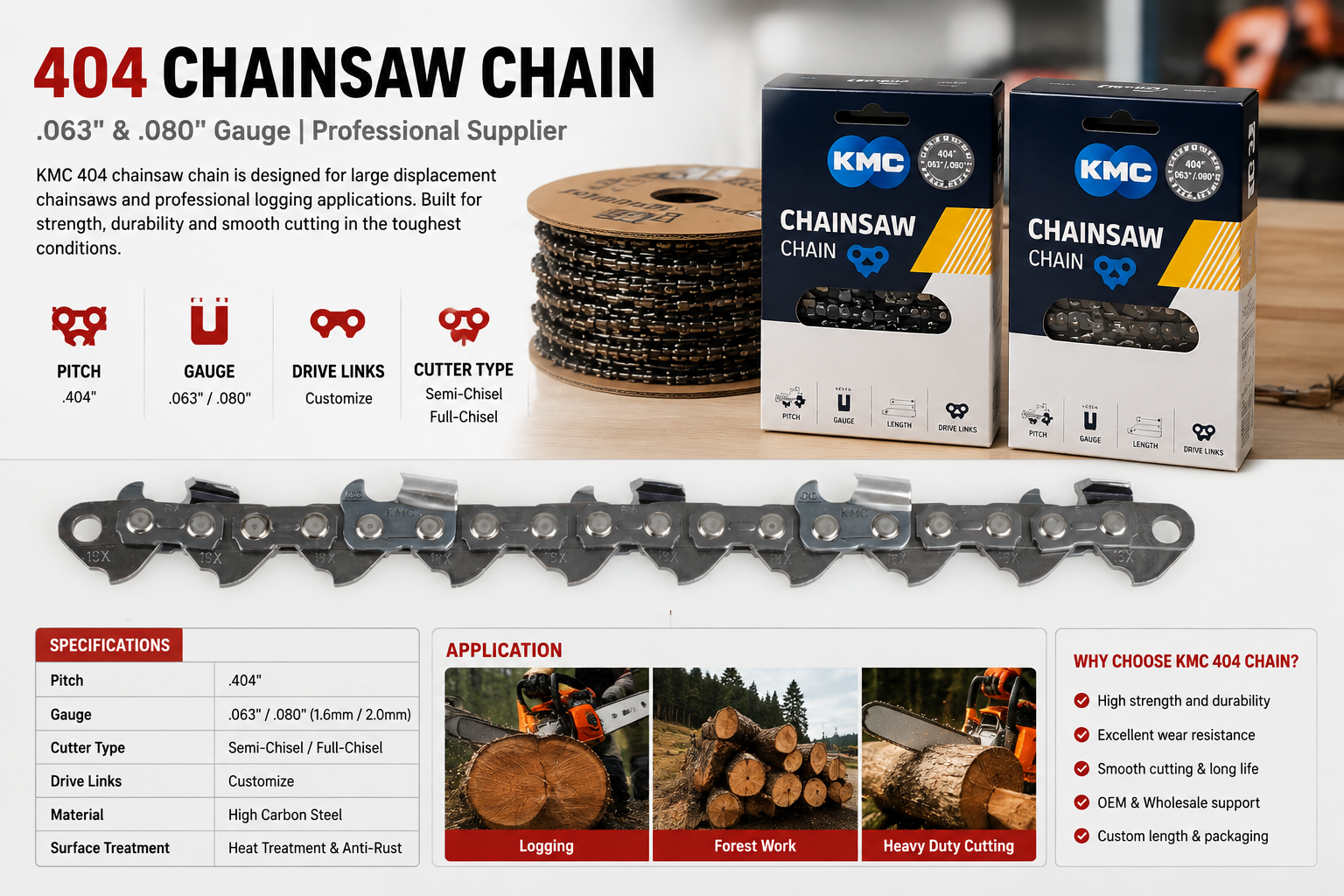
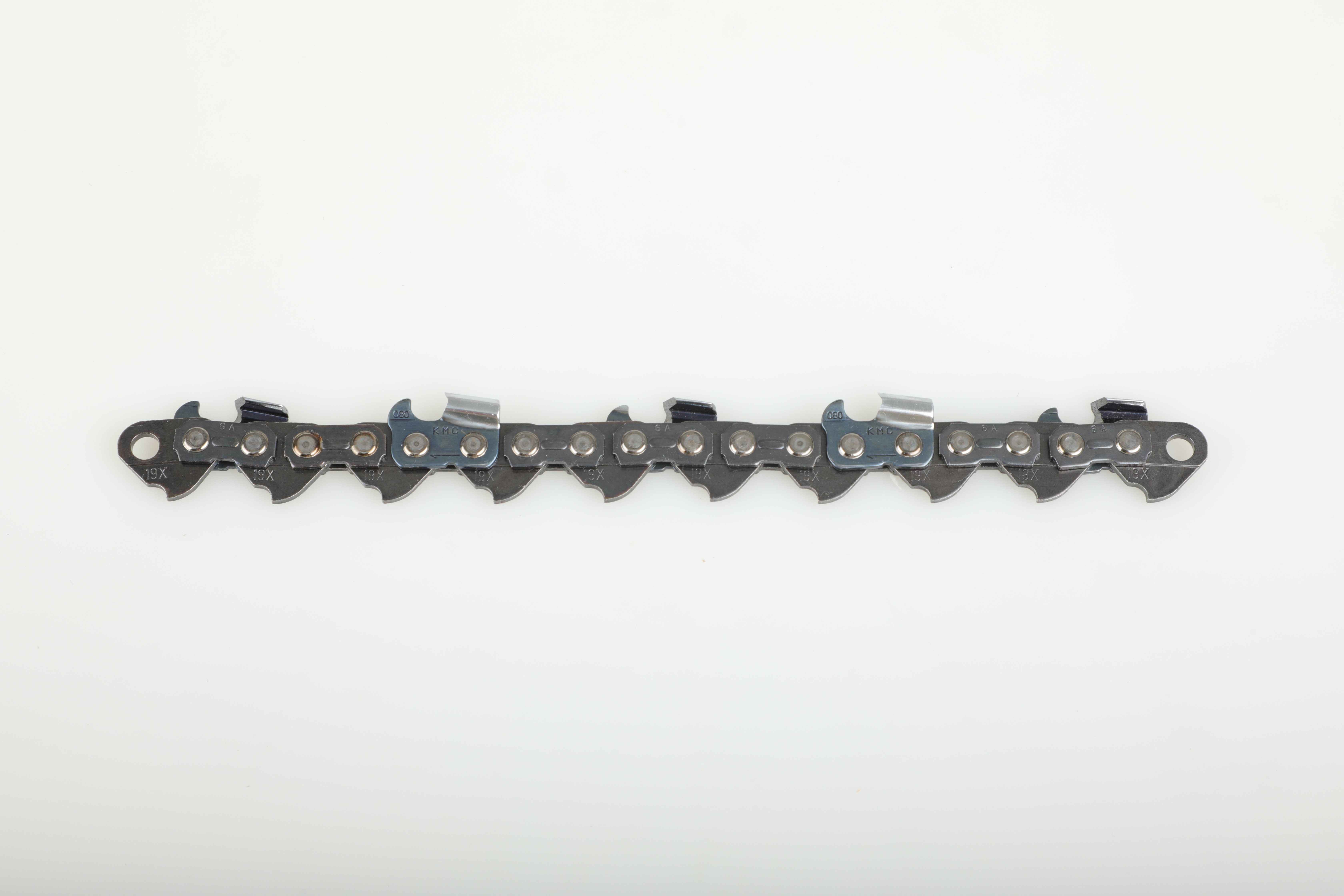
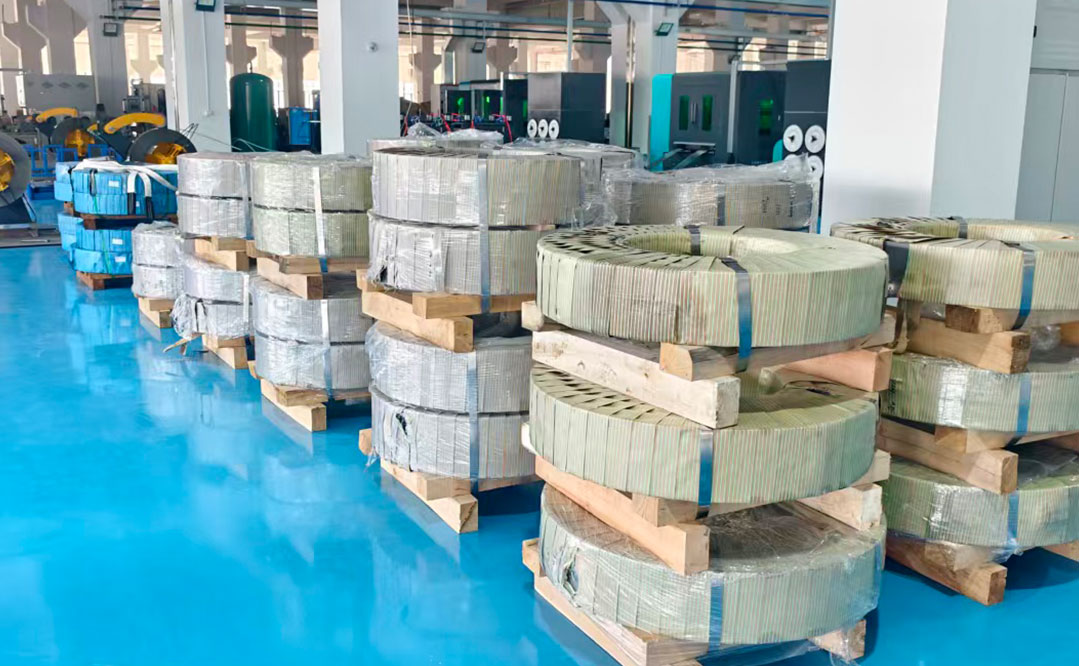
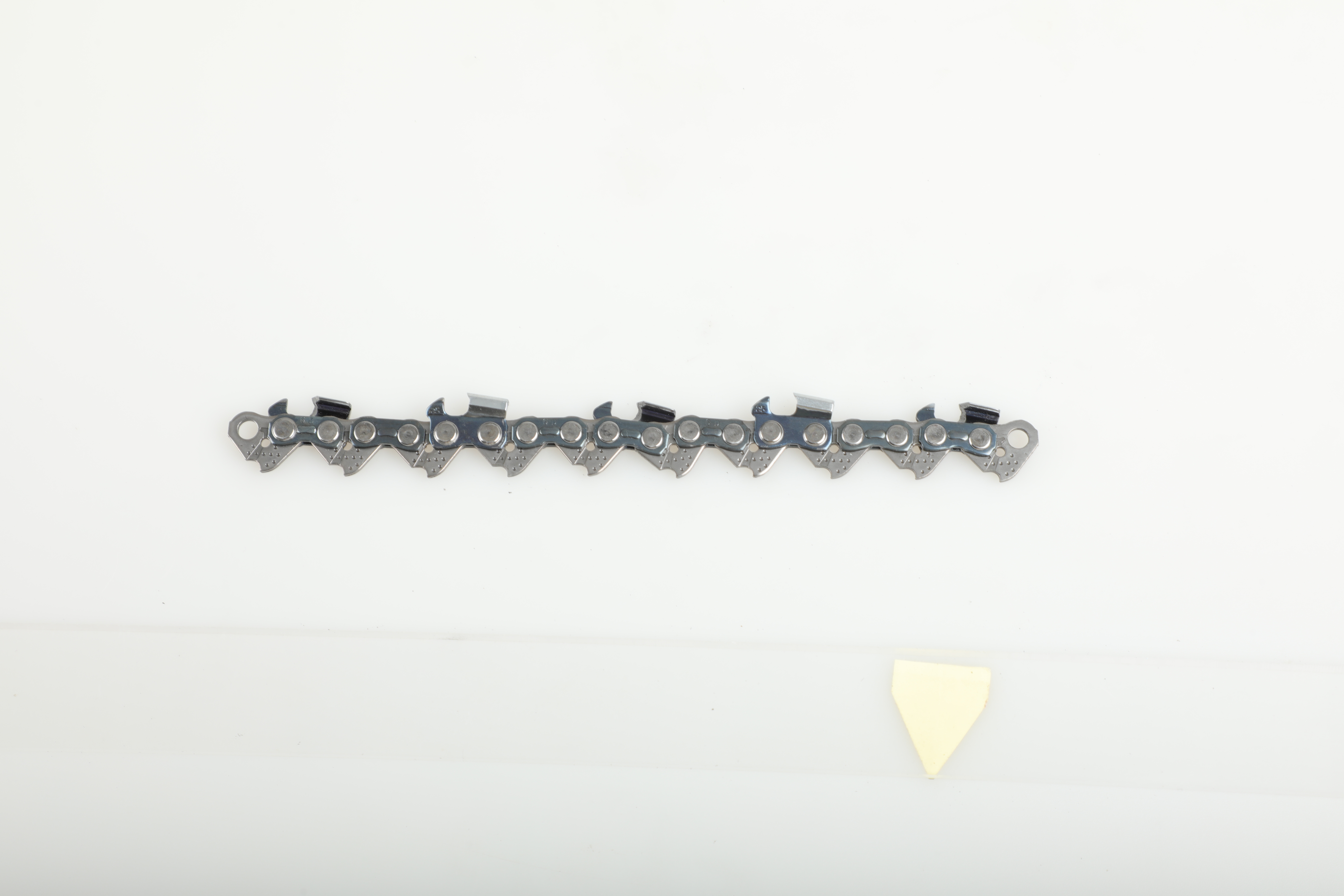
Quick answer: A China chainsaw chain manufacturer quality checklist should confirm the exact chain specification, production-route control, fit and cutting samples, batch traceability, packaging accuracy and change management. Buyers should verify each point against a real product record instead of treating location, price or a broad factory claim as proof of consistent output.
China offers many supply options, but a useful comparison must go beyond search-result titles and catalog photographs. This guide separates the checks that affect chain fit, order repeatability and private-label fulfillment. It complements the existing KMC manufacturer overview with a practical buyer-side review.
- Use one revision-controlled specification matrix for all candidates.
- Connect equipment claims to settings, checks and release decisions.
- Treat each sample as a miniature controlled order.
- Trace a carton backward and a production record forward.
- Make packaging a controlled identification system.
Table of Contents
- Confirm the Chain Matrix Before Comparing Factories
- Review Manufacturing and Process Control
- Approve Samples Against Measurable Requirements
- Check Quality Records and Batch Traceability
- Control Private-Label Packaging and Claims
- Normalize Commercial Terms and Change Control
- Frequently Asked Questions
- Conclusion
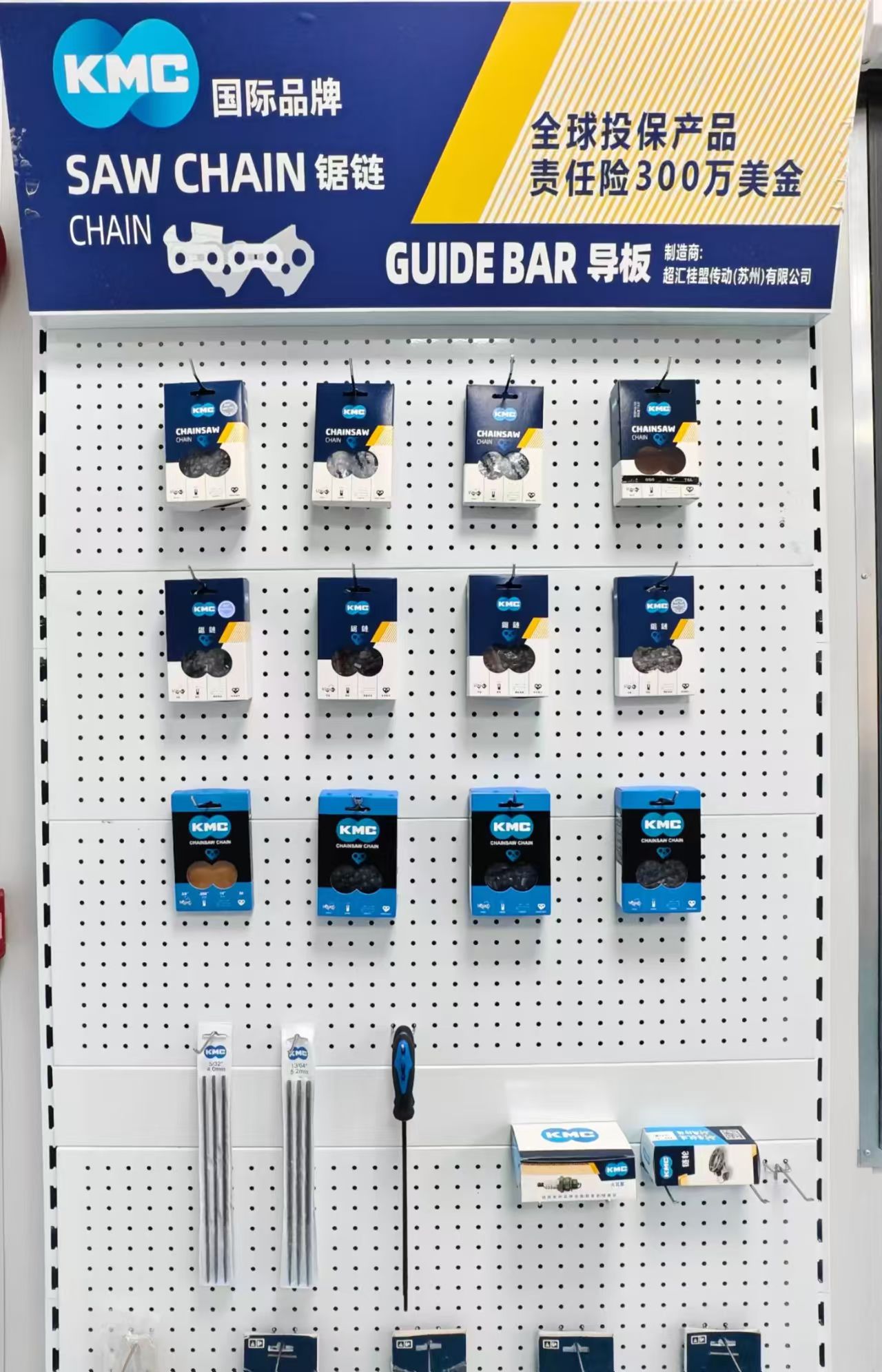
A China sourcing decision should be based on product and process evidence tied to the buyer’s exact chain matrix.
Confirm the Chain Matrix Before Comparing Factories
List every required pitch, gauge, drive-link count, cutter profile, chassis and package format on separate lines. For brands, importers and wholesale buyers sourcing from China, this point should be connected to a written product or order requirement rather than left as a general preference. The response is easier to compare when every candidate uses the same terminology and confirms any exception before work begins.
The practical action is to send one revision-controlled matrix and require the manufacturer to complete missing values or mark exceptions. Keep the result with the quotation, sample or order record so later decisions use the approved version. When several chain configurations are involved, separate them by pitch, gauge and drive-link count instead of combining different loops in one description.
A common failure is allowing sales teams to interpret guide-bar length or a familiar model name as the complete chain specification. The guardrail is to treat pitch, gauge and drive links as mandatory approval fields and link them to a stable product code. This does not eliminate every supply or operating risk, but it makes the decision visible, reviewable and easier to correct before a full order is packed or used.
| Decision point | What to confirm | Why it matters |
|---|---|---|
| Product definition | Pitch, gauge, drive links and cutter form | Prevents incompatible quotations |
| Process | Controlled route and inspection points | Shows how variation is detected |
| Sample | Measured and labeled approved loop | Creates the production reference |
| Traceability | Order, batch and carton connection | Supports containment |
| Packaging | Approved proof and product code | Prevents mixed presentation |
Review Manufacturing and Process Control
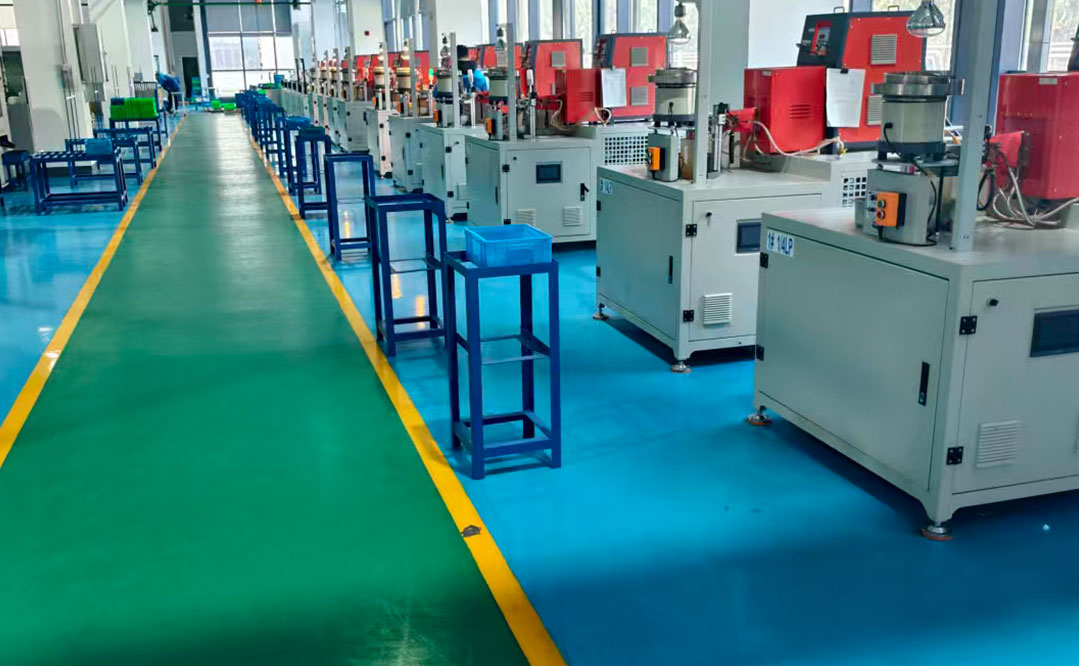
Follow the proposed product through forming, heat treatment, finishing, assembly, lubrication and packing. For brands, importers and wholesale buyers sourcing from China, this point should be connected to a written product or order requirement rather than left as a general preference. The response is easier to compare when every candidate uses the same terminology and confirms any exception before work begins.
The practical action is to ask what is monitored at each critical stage, who reviews results and what happens when a value is outside its limit. Keep the result with the quotation, sample or order record so later decisions use the approved version. When several chain configurations are involved, separate them by pitch, gauge and drive-link count instead of combining different loops in one description.
A common failure is accepting a machine list or factory video without evidence that the buyer’s configuration is controlled. The guardrail is to sample a real instruction and record from a comparable chain instead of relying on a presentation. This does not eliminate every supply or operating risk, but it makes the decision visible, reviewable and easier to correct before a full order is packed or used.
Approve Samples Against Measurable Requirements
A sample should reproduce the requested loop dimensions, cutter form, identification and planned package rather than merely look similar. For brands, importers and wholesale buyers sourcing from China, this point should be connected to a written product or order requirement rather than left as a general preference. The response is easier to compare when every candidate uses the same terminology and confirms any exception before work begins.
The practical action is to count drive links, confirm pitch and gauge, document fit on the intended drive system and approve the label proof. Keep the result with the quotation, sample or order record so later decisions use the approved version. When several chain configurations are involved, separate them by pitch, gauge and drive-link count instead of combining different loops in one description.
A common failure is approving a stock loop while assuming a future custom package or different gauge will be equally accurate. The guardrail is to approve every fit-critical combination and request a revised sample after any material specification change. This does not eliminate every supply or operating risk, but it makes the decision visible, reviewable and easier to correct before a full order is packed or used.
Check Quality Records and Batch Traceability
Finished goods should remain connected to their order, specification, production batch and inspection result. For brands, importers and wholesale buyers sourcing from China, this point should be connected to a written product or order requirement rather than left as a general preference. The response is easier to compare when every candidate uses the same terminology and confirms any exception before work begins.
The practical action is to choose a carton and trace it backward, then choose a batch record and identify its related finished stock. Keep the result with the quotation, sample or order record so later decisions use the approved version. When several chain configurations are involved, separate them by pitch, gauge and drive-link count instead of combining different loops in one description.
A common failure is depending on one employee’s memory when a distributor later reports a fit, label or quantity issue. The guardrail is to require durable batch and product codes on records, inner packages and master cartons. This does not eliminate every supply or operating risk, but it makes the decision visible, reviewable and easier to correct before a full order is packed or used.
Control Private-Label Packaging and Claims
Artwork must show the approved product code and dimensions while keeping branding, barcode and language files synchronized. For brands, importers and wholesale buyers sourcing from China, this point should be connected to a written product or order requirement rather than left as a general preference. The response is easier to compare when every candidate uses the same terminology and confirms any exception before work begins.
The practical action is to review a digital proof, printed sample and master-carton mark before volume printing is authorized. Keep the result with the quotation, sample or order record so later decisions use the approved version. When several chain configurations are involved, separate them by pitch, gauge and drive-link count instead of combining different loops in one description.
A common failure is using similar artwork for several loops without a reliable link between the file and the chain specification. The guardrail is to maintain an artwork register and withdraw obsolete versions whenever product data changes. This does not eliminate every supply or operating risk, but it makes the decision visible, reviewable and easier to correct before a full order is packed or used.
Normalize Commercial Terms and Change Control
Prices should be compared on equal quantities, package work, sample requirements, inspection scope and delivery basis. For brands, importers and wholesale buyers sourcing from China, this point should be connected to a written product or order requirement rather than left as a general preference. The response is easier to compare when every candidate uses the same terminology and confirms any exception before work begins.
The practical action is to separate one-time artwork or tooling charges and record who can approve changes after the order is released. Keep the result with the quotation, sample or order record so later decisions use the approved version. When several chain configurations are involved, separate them by pitch, gauge and drive-link count instead of combining different loops in one description.
A common failure is selecting a low quotation that excludes necessary labels, cartons, inspection or specification revisions. The guardrail is to issue one final purchase package and require written confirmation of every exception before production. This does not eliminate every supply or operating risk, but it makes the decision visible, reviewable and easier to correct before a full order is packed or used.
Frequently Asked Questions
What should a China chainsaw chain manufacturer quote include?
It should identify pitch, gauge, drive-link count, cutter form, quantity, packaging, labeling work, sample terms and delivery basis. One-time costs should be separated from recurring unit prices, and every technical exception should be stated in writing.
How can a buyer verify traceability remotely?
Request a live or recorded demonstration that traces a masked finished-carton code to an order and production record. Then ask the factory to trace a selected record forward to finished stock. Repeat the test during a trial order.
Does an approved sample guarantee all production?
No. A sample creates the approved reference, while production controls must reproduce it. Buyers should also verify batch records, in-process inspection, final checks, packaging identity and change control during the first order.
Which internal page explains KMC OEM support?
The OEM and wholesale page introduces customization and factory services. A buyer should still send the exact chain matrix and package brief through the contact page for a project-specific review.
Conclusion
Use the China chainsaw chain manufacturer quality checklist as a controlled sourcing record. Confirm the product matrix, follow the process, approve measurable samples, test traceability, lock packaging and normalize the final quotation. That evidence gives buyers a stronger basis for a trial order and later repeat supply.