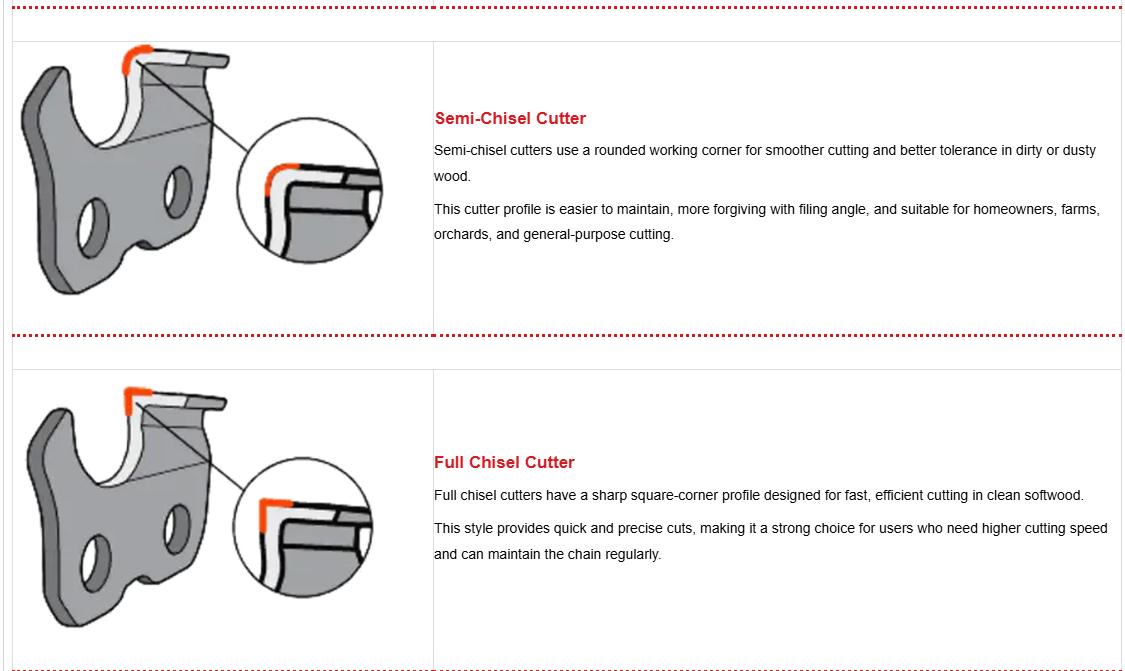
Quick answer: A full chisel chainsaw chain uses a relatively square working corner designed for efficient cutting in suitable clean wood. It is commonly considered for professional work, but it still must match pitch, gauge, drive-link count, saw class and guide bar. Its sharper corner can be less tolerant of contamination or poor sharpening than a semi-chisel profile.
Cutter shape is only one part of a chain specification, yet it strongly influences how the cutting edge meets wood and how the chain responds to maintenance. This guide focuses on full chisel alone, complementing the existing full chisel vs semi chisel comparison without repeating a two-option verdict.
- Identify the working corner rather than the marketing name.
- Pitch, gauge and count remain mandatory.
- Use the edge where conditions support it.
- Preserve angle, length and working-corner geometry.
- Service cutters and depth gauges as a system.
Table of Contents
- Understand the Full-Chisel Cutter Profile
- Confirm Chain Fit Before Cutter Selection
- Match Full Chisel to Clean Cutting Conditions
- Sharpen the Cutter Consistently
- Maintain Depth Gauges and the Complete Loop
- Use Full Chisel in a Controlled Fleet Program
- Frequently Asked Questions
- Conclusion
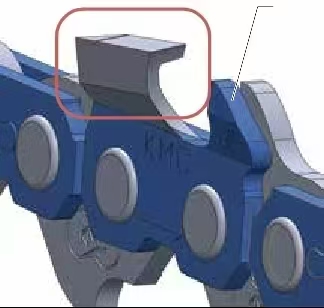
Full-chisel cutters have a sharper working corner that rewards clean wood, correct equipment and consistent maintenance.
Understand the Full-Chisel Cutter Profile
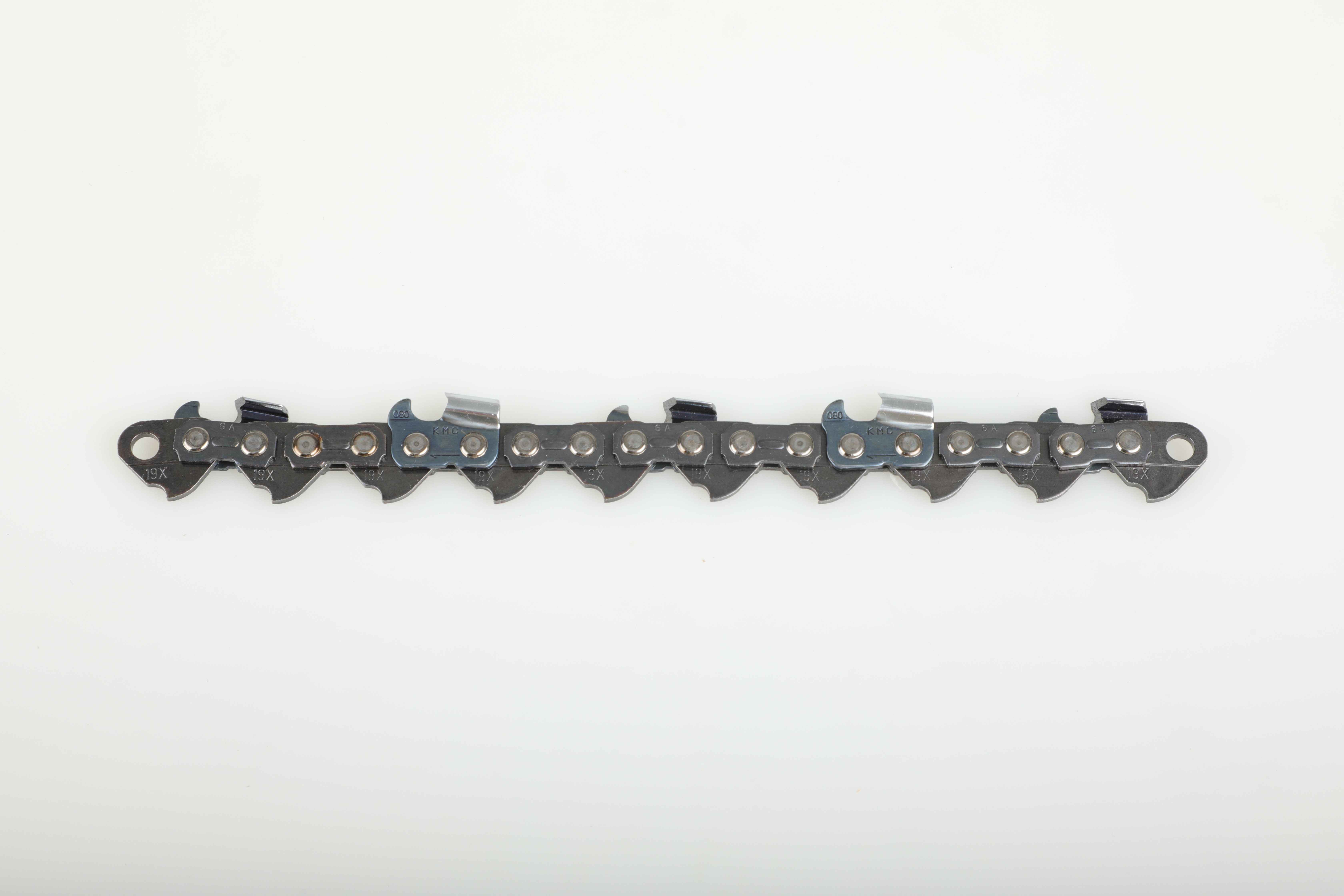
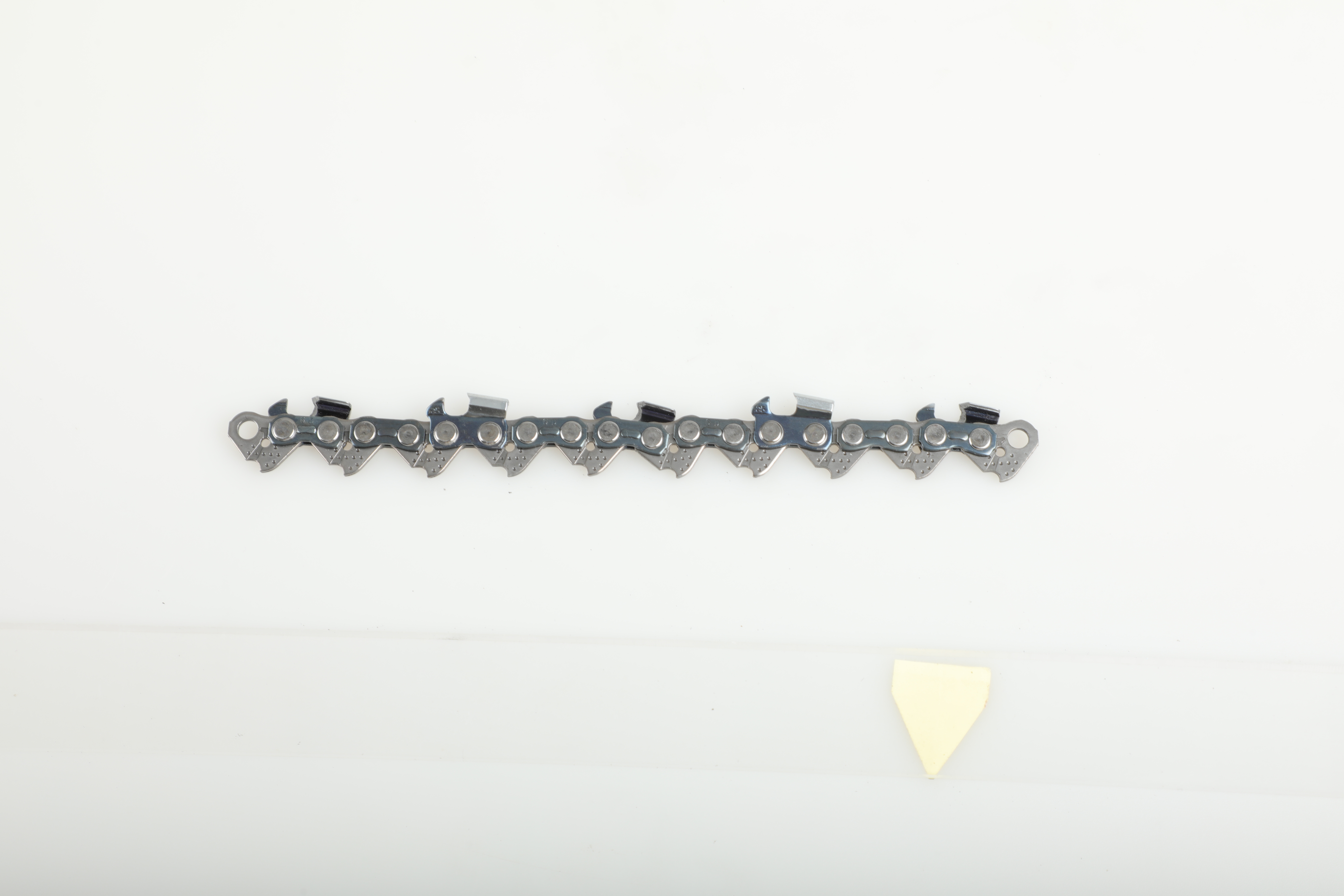
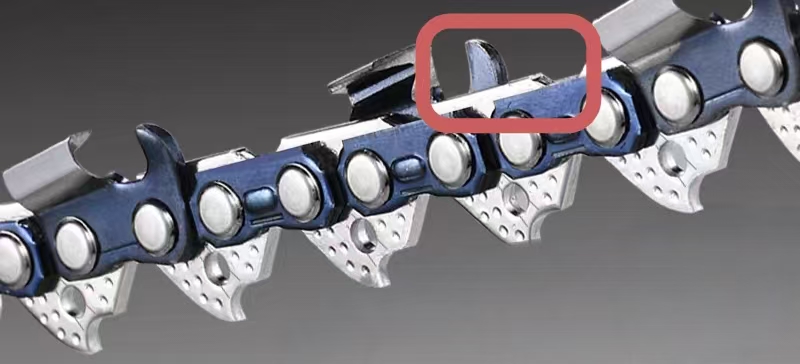
The top plate and side plate meet in a comparatively square corner that engages wood differently from a rounded semi-chisel form. For professional cutters, forestry buyers and parts sellers evaluating cutter profiles, this point should be connected to a written product or order requirement rather than left as a general preference. The response is easier to compare when every candidate uses the same terminology and confirms any exception before work begins.
The practical action is to compare a verified cutter profile and product specification before ordering Keep the result with the quotation, sample or order record so later decisions use the approved version. When several chain configurations are involved, separate them by pitch, gauge and drive-link count instead of combining different loops in one description.
A common failure is calling every aggressive-looking cutter full chisel without checking the actual chain The guardrail is to use the manufacturer’s product identity and a clear reference image This does not eliminate every supply or operating risk, but it makes the decision visible, reviewable and easier to correct before a full order is packed or used.
| Decision point | What to confirm | Why it matters |
|---|---|---|
| Physical fit | Pitch, gauge and drive links | Mandatory before cutter choice |
| Cutter corner | Relatively square working corner | Supports efficient clean-wood cutting |
| Wood condition | Prefer controlled, cleaner material | Contamination dulls the edge |
| Sharpening | Maintain consistent angles and cutter length | Preserves predictable behavior |
| Saw and operator | Use approved equipment and skill level | Cutter choice is not universal |
Confirm Chain Fit Before Cutter Selection
Full chisel describes cutter form and does not determine the drive-system dimensions. For professional cutters, forestry buyers and parts sellers evaluating cutter profiles, this point should be connected to a written product or order requirement rather than left as a general preference. The response is easier to compare when every candidate uses the same terminology and confirms any exception before work begins.
The practical action is to match the saw, sprocket and bar using pitch, gauge and exact drive-link count Keep the result with the quotation, sample or order record so later decisions use the approved version. When several chain configurations are involved, separate them by pitch, gauge and drive-link count instead of combining different loops in one description.
A common failure is selecting a desirable cutter while overlooking an incompatible chassis or loop length The guardrail is to complete the chain specification before comparing performance This does not eliminate every supply or operating risk, but it makes the decision visible, reviewable and easier to correct before a full order is packed or used.
Match Full Chisel to Clean Cutting Conditions
The sharper corner is generally considered for efficient cutting in clean wood and controlled professional work. For professional cutters, forestry buyers and parts sellers evaluating cutter profiles, this point should be connected to a written product or order requirement rather than left as a general preference. The response is easier to compare when every candidate uses the same terminology and confirms any exception before work begins.
The practical action is to review bark contamination, ground contact, embedded debris and crew practice Keep the result with the quotation, sample or order record so later decisions use the approved version. When several chain configurations are involved, separate them by pitch, gauge and drive-link count instead of combining different loops in one description.
A common failure is assuming a fast clean-wood impression will remain unchanged in abrasive or dirty material The guardrail is to choose a more tolerant profile when the operating environment repeatedly damages the corner This does not eliminate every supply or operating risk, but it makes the decision visible, reviewable and easier to correct before a full order is packed or used.
Sharpen the Cutter Consistently
Uneven filing can make cutters pull, vibrate or share load poorly even when the chain remains sharp in places. For professional cutters, forestry buyers and parts sellers evaluating cutter profiles, this point should be connected to a written product or order requirement rather than left as a general preference. The response is easier to compare when every candidate uses the same terminology and confirms any exception before work begins.
The practical action is to use the specified file or grinding setup and maintain similar cutter lengths Keep the result with the quotation, sample or order record so later decisions use the approved version. When several chain configurations are involved, separate them by pitch, gauge and drive-link count instead of combining different loops in one description.
A common failure is changing angles by eye or removing excessive material from selected cutters The guardrail is to follow the chain guidance and use a stable sharpening routine This does not eliminate every supply or operating risk, but it makes the decision visible, reviewable and easier to correct before a full order is packed or used.
Maintain Depth Gauges and the Complete Loop
Depth-gauge relationship, tension, lubrication, tie straps and drive links all affect how a maintained chain works. For professional cutters, forestry buyers and parts sellers evaluating cutter profiles, this point should be connected to a written product or order requirement rather than left as a general preference. The response is easier to compare when every candidate uses the same terminology and confirms any exception before work begins.
The practical action is to inspect the entire loop and use the approved depth-gauge method after cutter filing Keep the result with the quotation, sample or order record so later decisions use the approved version. When several chain configurations are involved, separate them by pitch, gauge and drive-link count instead of combining different loops in one description.
A common failure is lowering depth gauges aggressively to chase cutting speed The guardrail is to keep adjustments within the chain guidance and replace damaged components This does not eliminate every supply or operating risk, but it makes the decision visible, reviewable and easier to correct before a full order is packed or used.
Use Full Chisel in a Controlled Fleet Program
Professional fleets benefit when product codes, compatible bars, sharpening practice and inspection criteria are consistent. For professional cutters, forestry buyers and parts sellers evaluating cutter profiles, this point should be connected to a written product or order requirement rather than left as a general preference. The response is easier to compare when every candidate uses the same terminology and confirms any exception before work begins.
The practical action is to label loops and storage positions with complete fit and cutter information Keep the result with the quotation, sample or order record so later decisions use the approved version. When several chain configurations are involved, separate them by pitch, gauge and drive-link count instead of combining different loops in one description.
A common failure is mixing full and semi chisel chains without updating sharpening or issue procedures The guardrail is to train crews and approve changes before broad deployment This does not eliminate every supply or operating risk, but it makes the decision visible, reviewable and easier to correct before a full order is packed or used.
Frequently Asked Questions
Does full chisel cut faster than semi chisel?
In suitable clean wood and on compatible, properly maintained equipment, full chisel is often selected for efficient cutting. Actual results depend on saw power, wood, sharpening, depth gauges, operator technique and chain condition.
Is full chisel suitable for dirty wood?
Its sharper corner can lose its edge quickly when it contacts soil, grit or contaminated bark. Semi chisel may be considered when edge tolerance in imperfect conditions matters more than clean-wood cutting response.
Can any chainsaw use full chisel chain?
No. The chain must match the saw, sprocket and bar, and the equipment guidance and operator context must support the cutter and chassis. Confirm pitch, gauge and drive-link count first.
Where can I request a full-chisel configuration?
Send pitch, gauge, drive-link count, saw class and cutting conditions through the KMC contact page. Do not request cutter form without the fit data.
Conclusion
A full chisel chainsaw chain is a clean-wood and maintenance-sensitive cutter choice, not a universal upgrade. Confirm the physical chain fit, evaluate contamination and saw class, sharpen consistently, maintain depth gauges and control fleet use. Those conditions help the square working corner deliver predictable service.