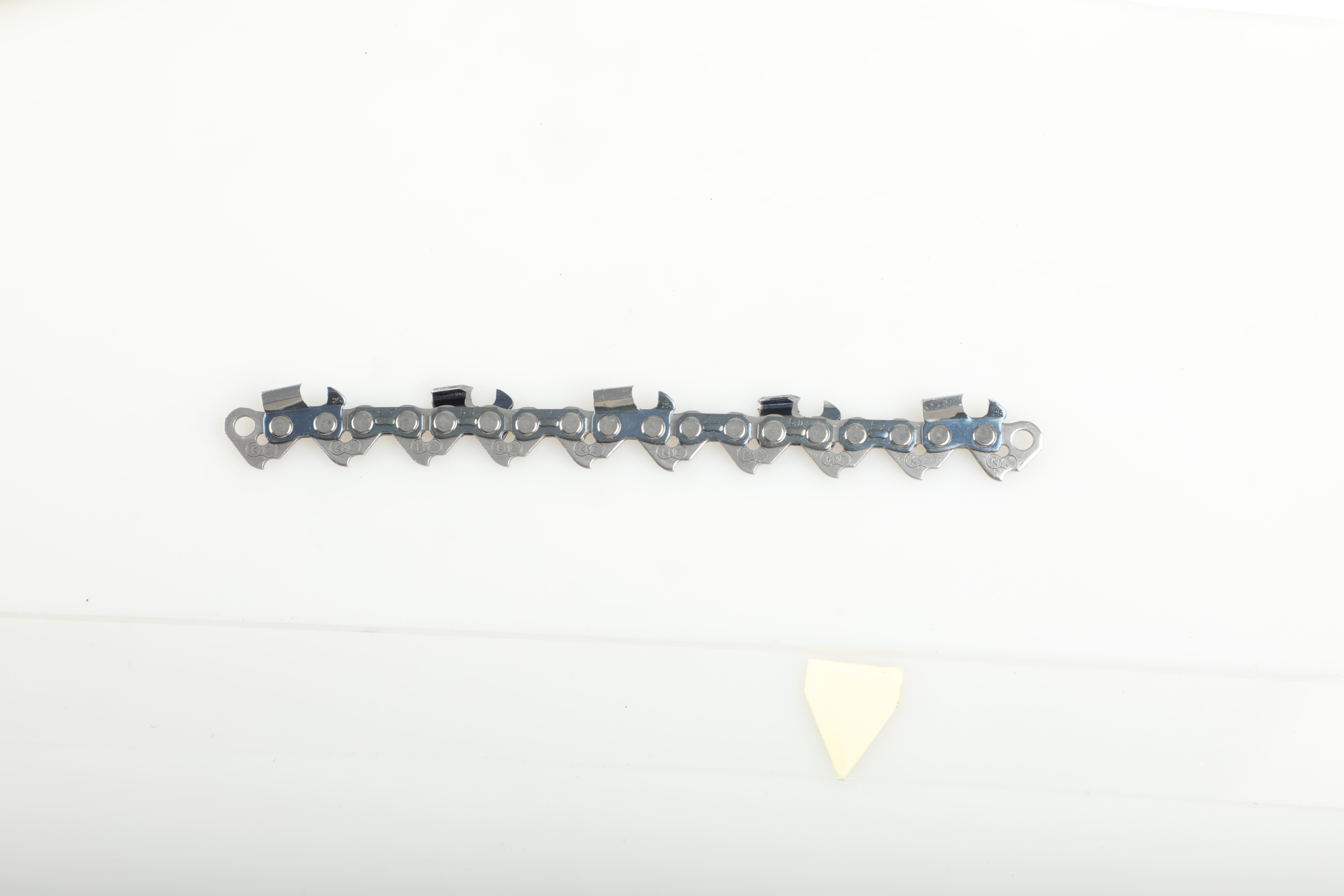
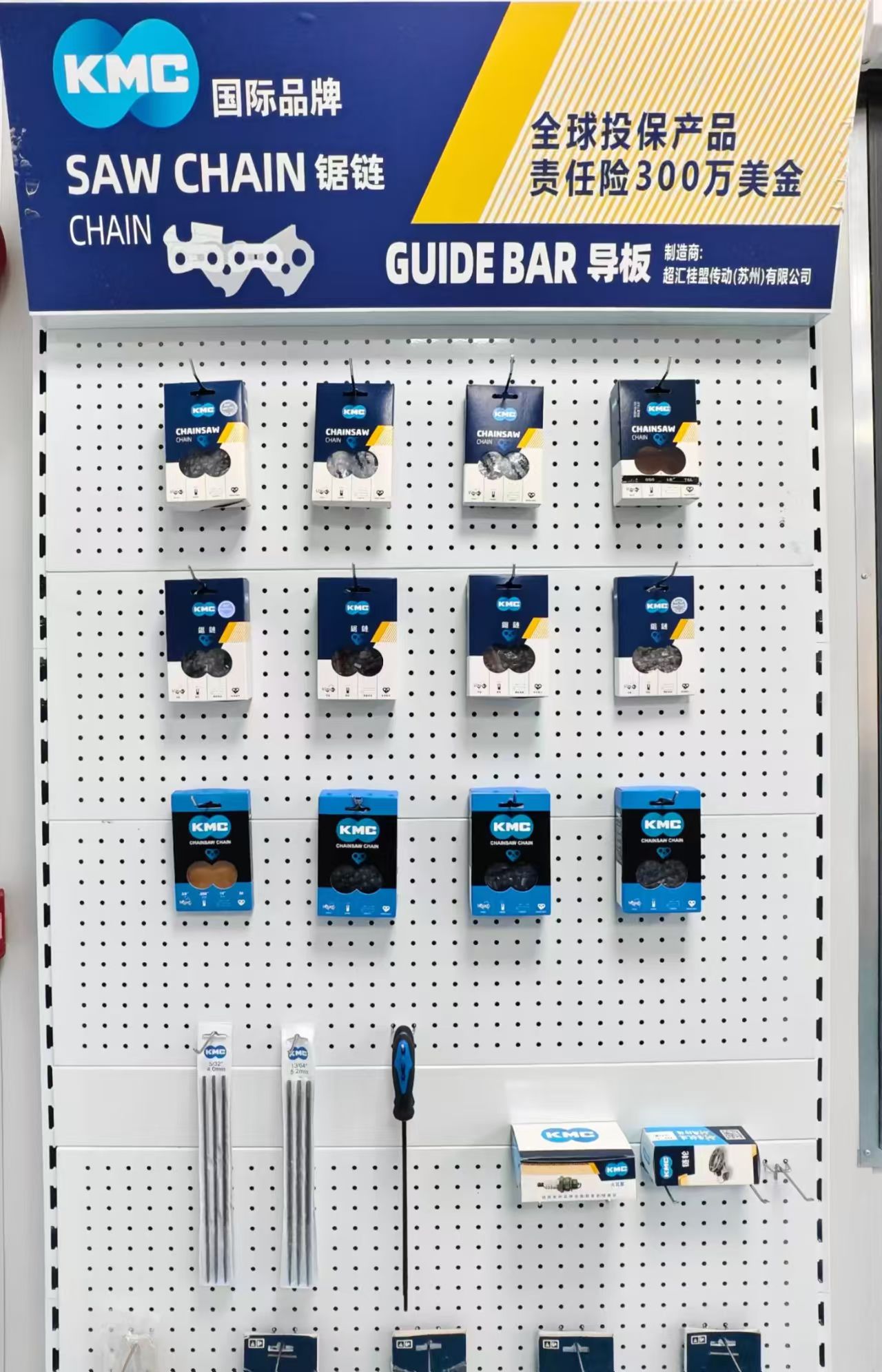
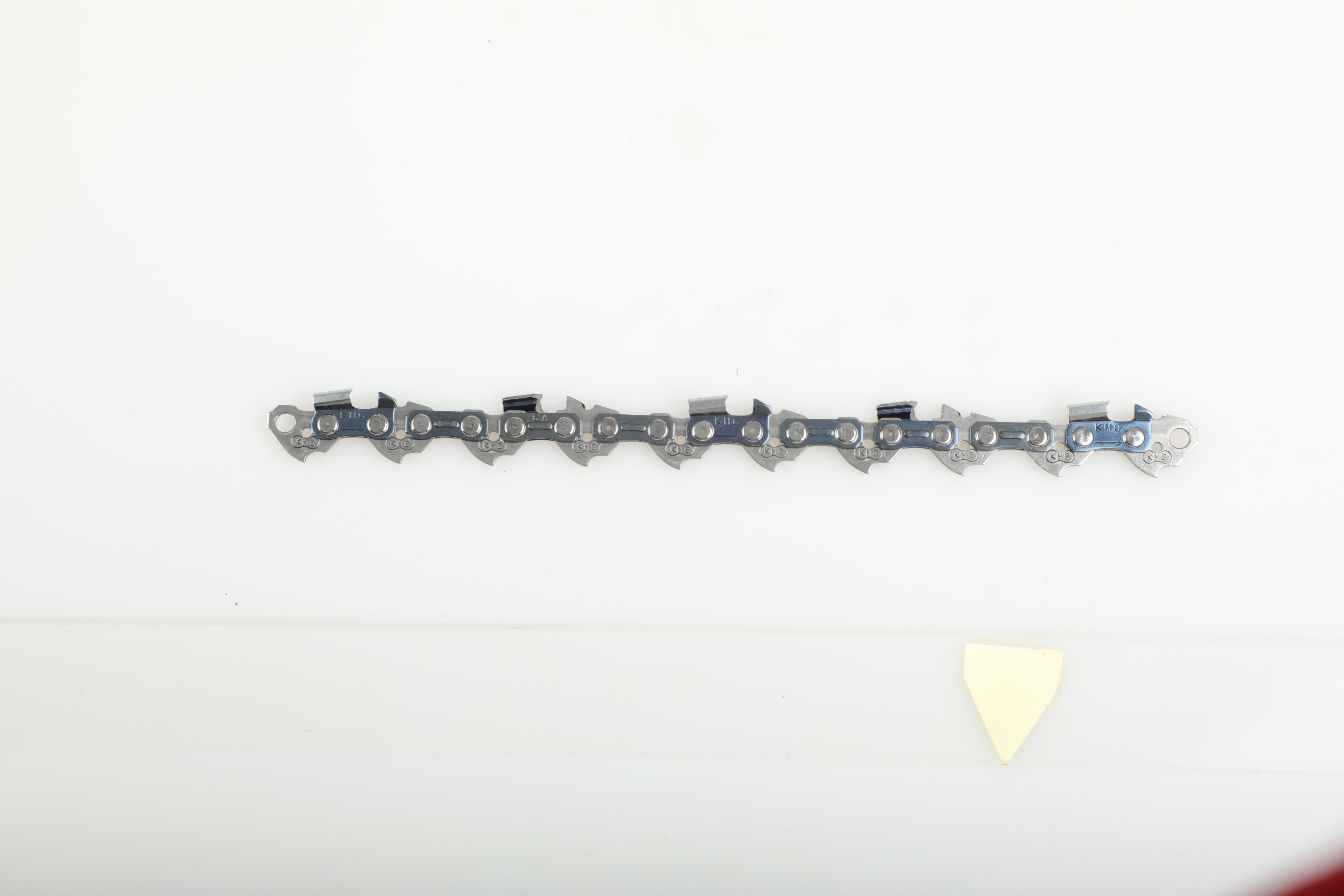
A harvester saw chain supplier supports a fleet only when the correct loop reaches the correct cutting head before field stock runs out. Mechanized-forestry buyers should plan replenishment by .404 pitch, .080-inch gauge, drive-link count and head/bar reference—not by a single “harvester chain” quantity. KMC publishes .404 .080 semi-chisel chain in 78, 80, 90, 91, 94, 95 and 100 DL. The buyer’s fleet record determines which of those options belongs at each depot and service truck.
This plan suits harvesting contractors, forestry parts distributors, dealer service networks and importers. First confirm every cutting head through its bar, sprocket and equipment documentation. Then build stock around approved configurations and actual issue history. A higher total inventory cannot compensate for having 100 DL loops at a site whose machines need 90 DL.
A harvester saw chain supplier needs the fleet’s approved item map
Create one item-master row for every head/bar/chain combination. Include head reference, bar reference, .404 pitch, .080 gauge, DL, semi-chisel cutter, unit package code and the document that supports fitment. If two heads use the same chain, keep both references on the item. If one head has two approved bars, create the necessary separate DL routes.
The KMC article on manufacturer qualification for a cutting head explains the engineering approval that precedes this stock plan. Replenishment should never become a shortcut around that approval. An urgent request for an unknown machine stays unresolved until the attachment is identified.
Shared .404 pitch cannot combine .063 and .080 stock
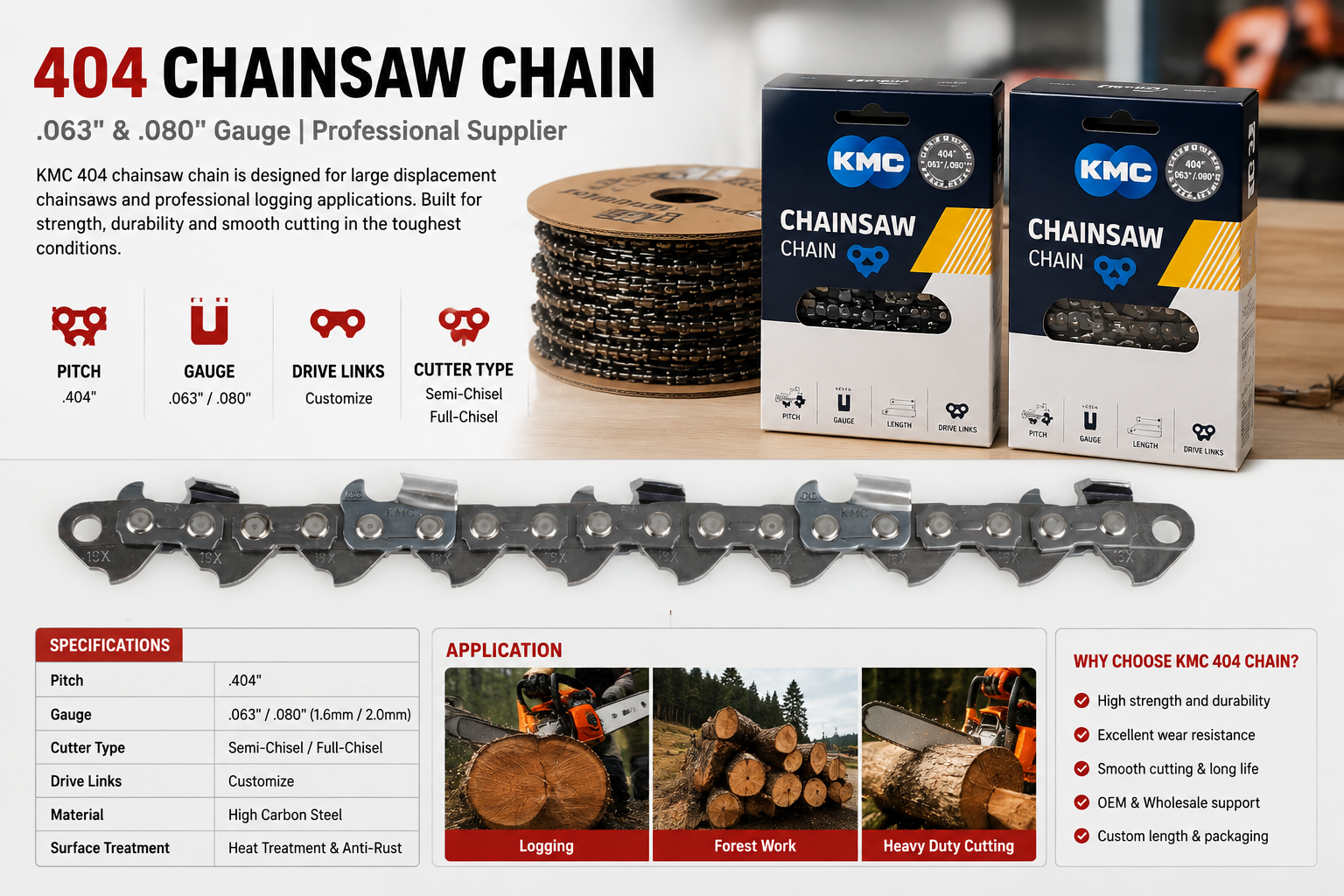
KMC’s .404 range includes a .404 .063 product with 60, 92, 100 and 104 DL and the .404 .080 harvester product with seven published counts. Both include 100 DL. A depot bin marked only “.404 100” can therefore mix incompatible gauges and applications.
Use .080 or 2.0 mm in the item name and on the physical location. Put the cutting-head reference beside it where practical. The digital search result, package and bin label should repeat the same field order so a mechanic does not need to translate between three naming systems.
Set depot stock from machine coverage and issue history
Count the active heads each location supports, then review how many approved loops were issued over a representative operating period. Separate planned replacement, damage, test use and unresolved loss. The result does not predict every forestry condition, but it reveals which DL counts are essential and which are occasional.
A remote depot needs protection against the longest supply interval
For every SKU, record average use, observed peak use, stock on hand, stock already ordered and the confirmed replenishment lead time. Add a risk allowance based on distance, season and the cost of a machine waiting for the correct chain. Do not publish one universal safety-stock percentage; the 90 DL item supporting six active heads has a different consequence from a 95 DL loop kept for one backup bar.
KMC’s OEM page publishes indicative timing of 15–20 days for 1,000–5,000 units, 25–30 days for 5,000–20,000 and 35–45 days above 20,000, with 7–10 days for samples. These are KMC website figures to reconfirm for the actual SKU mix and current schedule. International transport and inland delivery belong in the buyer’s separate planning window.
Service trucks should carry head-specific minimums
A service truck may visit several machines before returning to the depot. Assign a minimum for each approved head/chain route and replenish the truck from scanned issues. Loose loops without a unit label should not enter mobile stock. If a package is damaged, transfer the full identity to a controlled replacement label.
A contractor can place 90 and 100 DL .080 loops in different bins, with a head reference and a visual cue. Text remains essential; mud, low light and replacement containers make color alone unreliable. The mechanic should read .404, .080 and DL before issue.
Receive harvester chain by SKU, not by pallet total
At receiving, compare the purchase order, packing list, carton, unit package and a sampled physical loop. Include every DL in the shipment rather than checking several cartons of the highest-volume item. If the order contains both .404 .063 and .080 products, sample both sides of the 100 DL overlap.
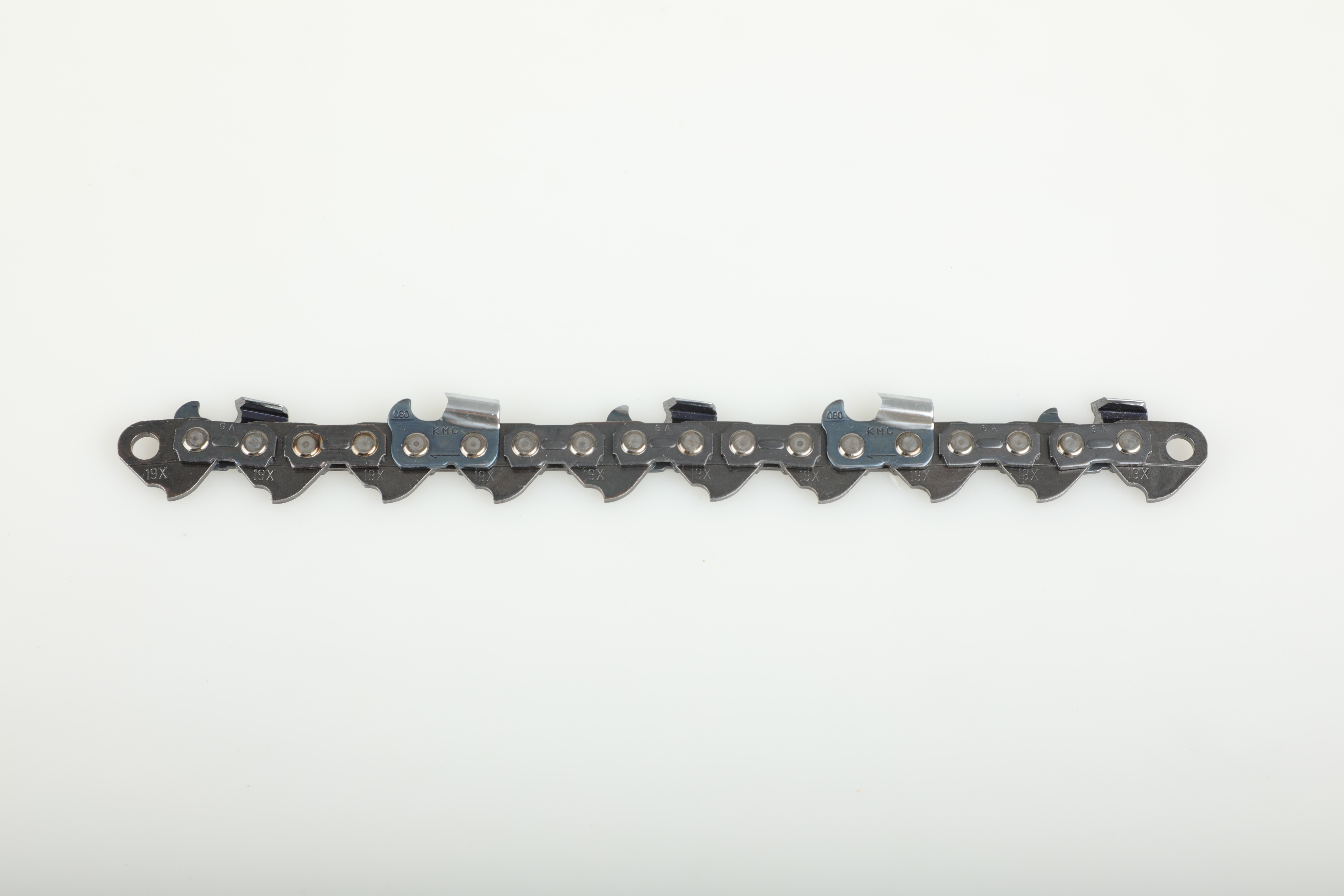
Quarantine discrepancies before stock reaches service trucks
A unit whose package omits gauge, a carton whose quantity differs or a loop whose identity cannot be confirmed should enter a hold location. Record supplier SKU, buyer SKU, carton and observed problem. Do not mix held units with accepted stock while the parties investigate.
Central receiving is the cheapest point to catch a master-data error. Once ambiguous units reach several depots, each location creates its own notes and the evidence fragments. Close the receiving result before branch transfer and retain the decision with the shipment file.
Package quantities should match the way forestry stock is issued
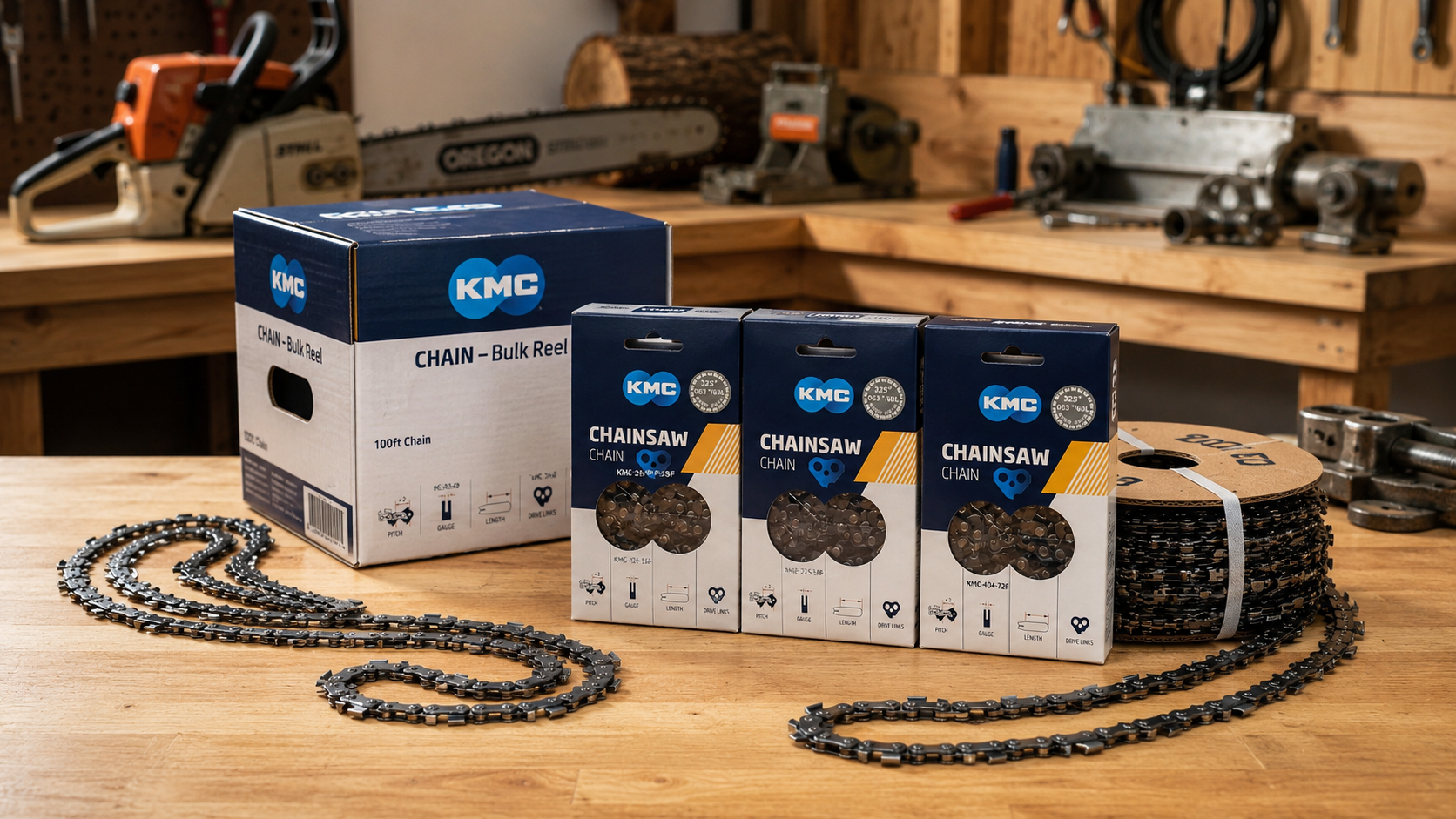
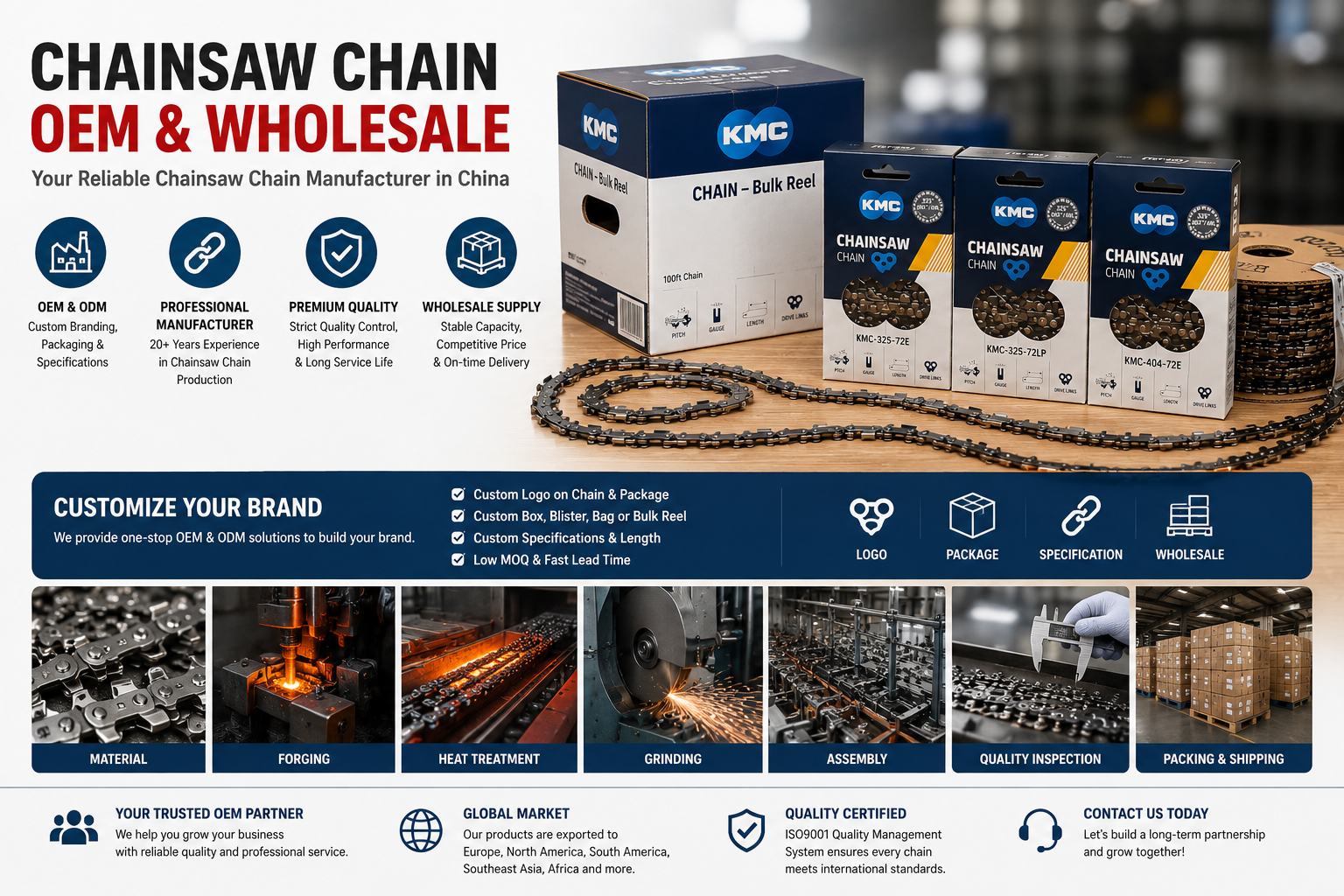
KMC’s OEM and wholesale information publishes individual boxes, custom cartons, pallets and barcodes. A forestry distributor should choose inner quantities that depots can count and service trucks can issue without separating loops from their identity. Large cartons may suit central storage but still need labelled unit packs.
One barcode must represent one pitch-gauge-DL combination
Do not reuse a general .404 barcode across 90, 94 and 100 DL. Scanning should display .404 .080, DL, cutter and item code. If the same technical loop is sold in two pack formats, create distinct commercial codes while linking them to the same approved chain record.
Use maintenance evidence to explain abnormal consumption
A sudden increase in chain issues may reflect timber conditions, operator practice, bar or sprocket wear, lubrication problems, damage or a change in machine utilization. The supplier should not be blamed or the safety stock doubled before the fleet reviews those factors. Record the head, loop identity and reason for replacement when practical.
Separate normal wear, damage and fitment errors
Normal planned replacement belongs in the consumption baseline. A chain damaged by a foreign object is operational loss. A wrong-DL issue is an inventory or identification failure. A bar-maintenance problem belongs to the attachment record. Different causes require different responses.
For a complaint about a production lot, retain the package, loop and lot or shipment reference. KMC states that its route includes material, heat-treatment, assembly, cutting and final controls; exact complaint evidence allows the supplier to investigate the relevant order rather than a vague family.
Seasonal staging should preserve the DL mix at every location
A distributor may bring inventory forward before winter cutting or a planned harvesting campaign. Build the seasonal order from each depot’s approved heads and expected work, then keep the resulting DL quantities visible on the purchase order. A single pallet total does not show whether the mix protects the machines that will actually operate.
Allocate stock before shipment instead of rediscovering demand later
Where inland distances are long, assign cartons to depots in the planning file and mark them accordingly. The central warehouse can still hold an emergency reserve, but it should know which head configurations the reserve covers. If all 90 DL stock is sent to one region while another has the same heads, a large national inventory can coexist with a local stockout.
Use branch transfer records when one depot supports another. The sending location scans the exact .404 .080 DL item, and the receiving location adds it to its on-hand balance. An informal transfer described as “two harvester chains” removes the information needed to plan the next order and may place the wrong count on a service truck.
Dealer support should begin with the cutting-head question
A forestry distributor may receive an urgent call that gives only the machine brand or a photograph of a worn loop. Counter staff should ask for the head and bar reference, gauge and DL evidence before promising stock. If the caller cannot provide it, the request goes to technical support rather than the nearest-looking .404 item.
A substitute loop needs a new fitment decision, not sales permission
If the approved 94 DL item is unavailable, a 95 DL loop is not an acceptable substitution merely because both appear on the supplier page. DL determines loop length. Likewise, a .404 .063 100 DL loop cannot replace .404 .080 100 DL. Only an equipment-supported change to the cutting attachment can create a different approved configuration.
This rule should appear in dealer training and inventory software. A salesperson may offer another package format of the same approved technical chain if the customer accepts it, but any pitch, gauge or DL change returns to technical review. Clear boundaries protect the user and keep urgent commercial pressure from rewriting the fleet item master.
Reorder before the remote fleet reaches its protected minimum
Review on-hand, truck stock, open orders and confirmed supplier timing by SKU. A fleet may reorder high-use 90 DL chain frequently and a 95 DL backup item only when its protected minimum is reached. Keep the same fitment record while quantities change.
The existing .404 logging and harvester guide can train receiving and sales staff on the broad application difference. The item master and purchase order must still carry the exact .080 configuration.
After every replenishment, compare ordered, received, transferred and issued quantities. Investigate unexplained differences while carton and lot records are still available. A clean reconciliation improves the next forecast and shows whether missing stock is demand, transfer timing or an identification problem.
A reliable harvester saw chain supplier relationship is visible at the machine: the mechanic finds the approved loop, its identity remains readable and replacement history feeds the next order. Build that outcome from head-specific records, controlled depots and early replenishment—not from a large mixed pile of .404 chain.