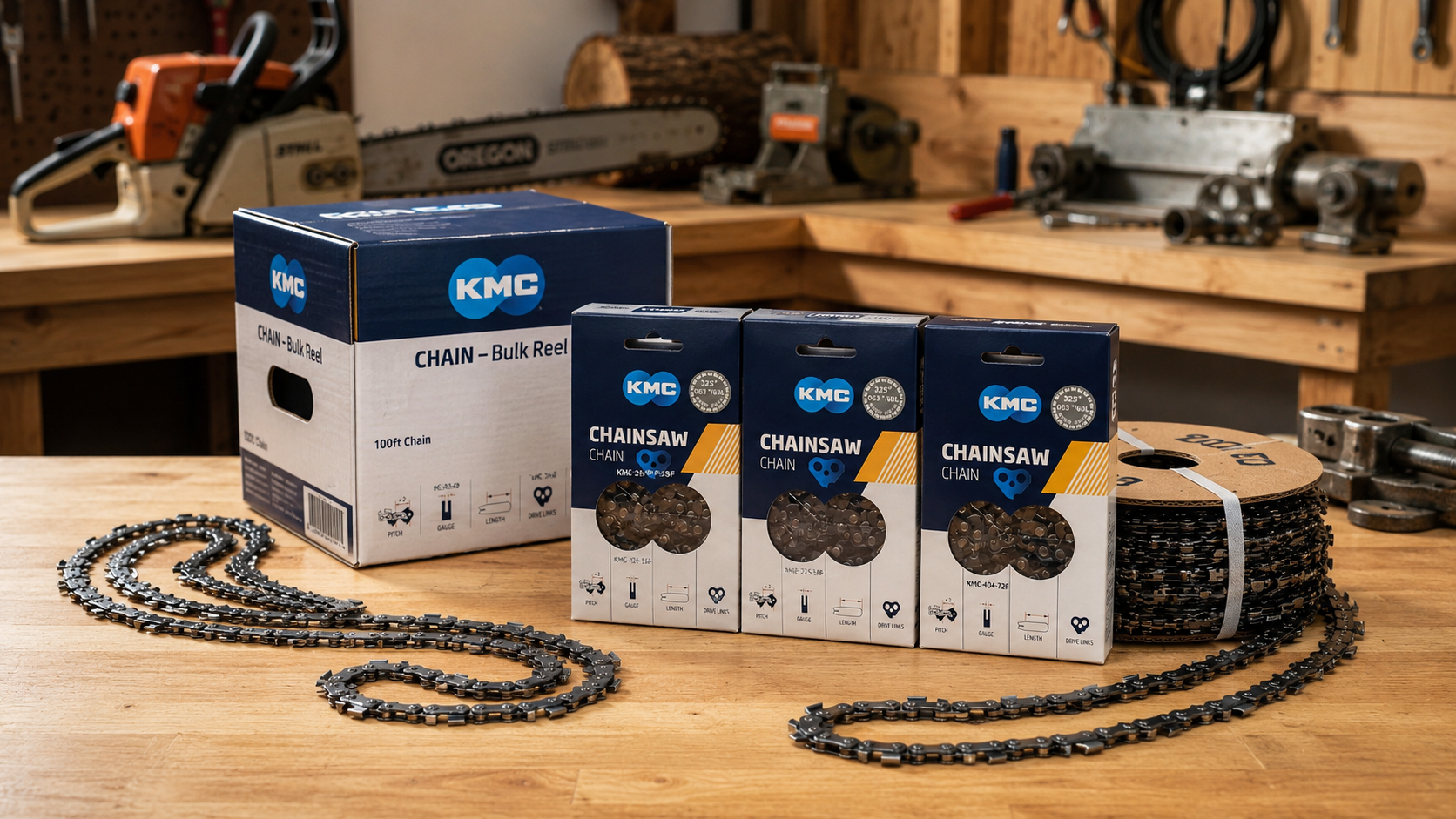
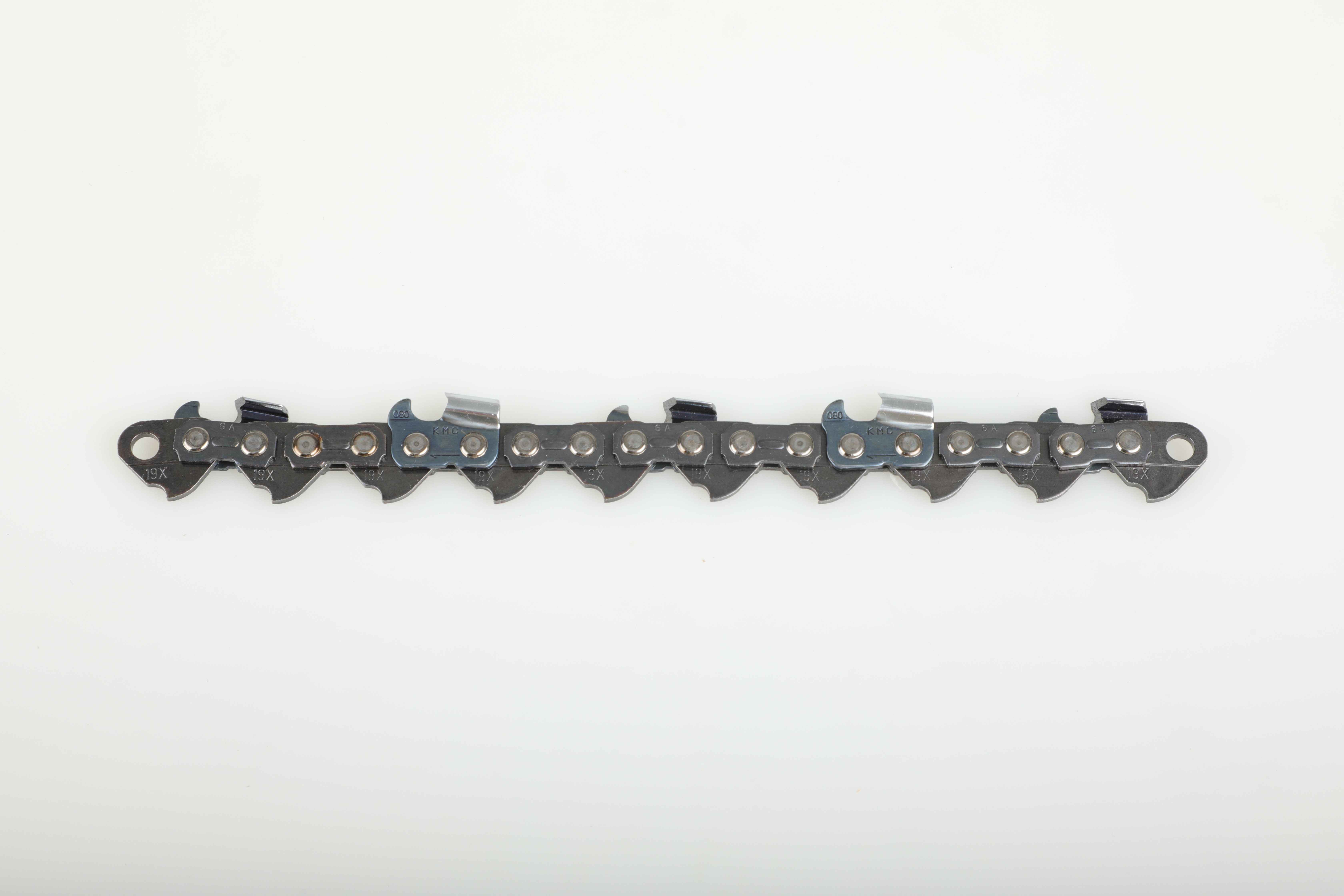
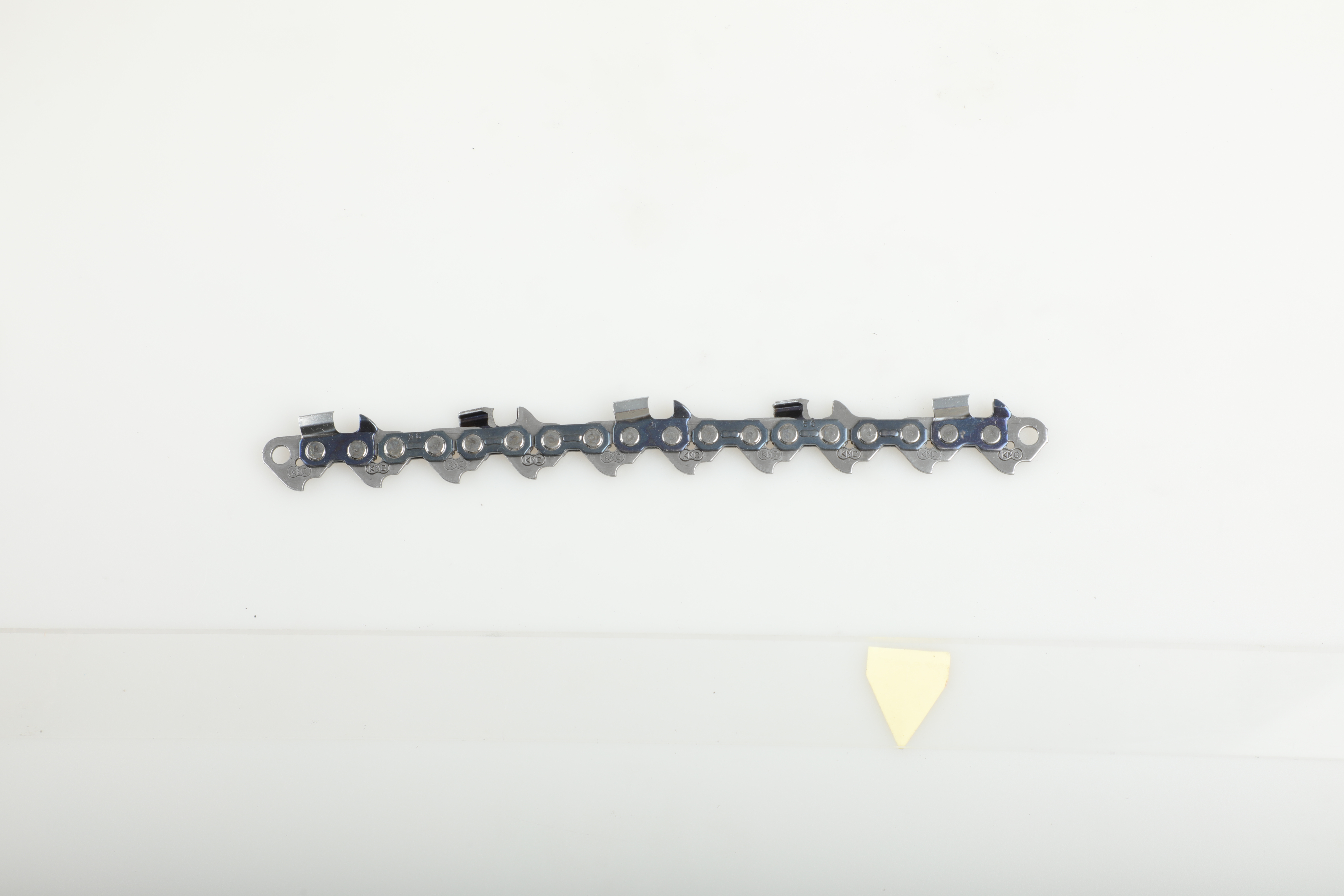
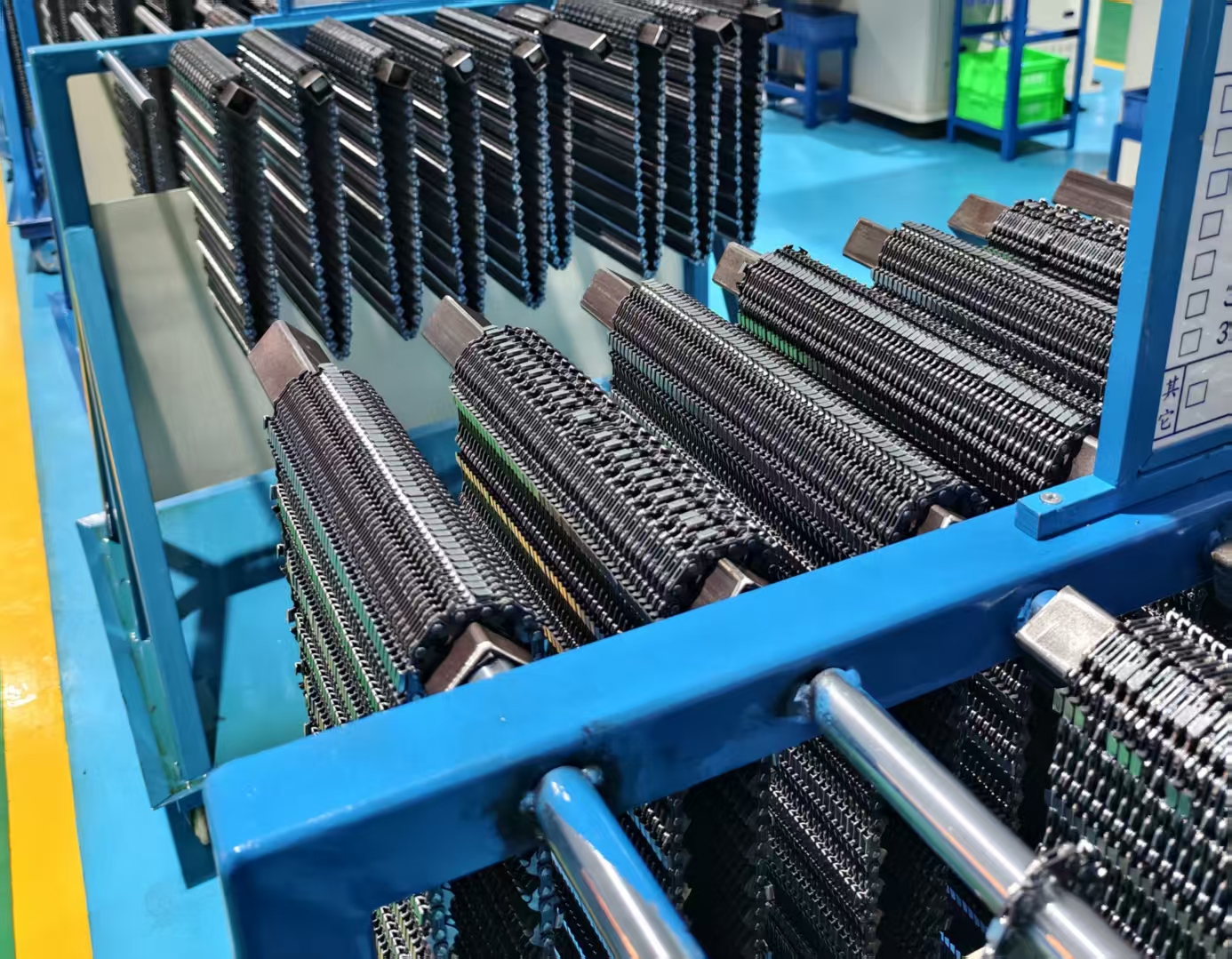
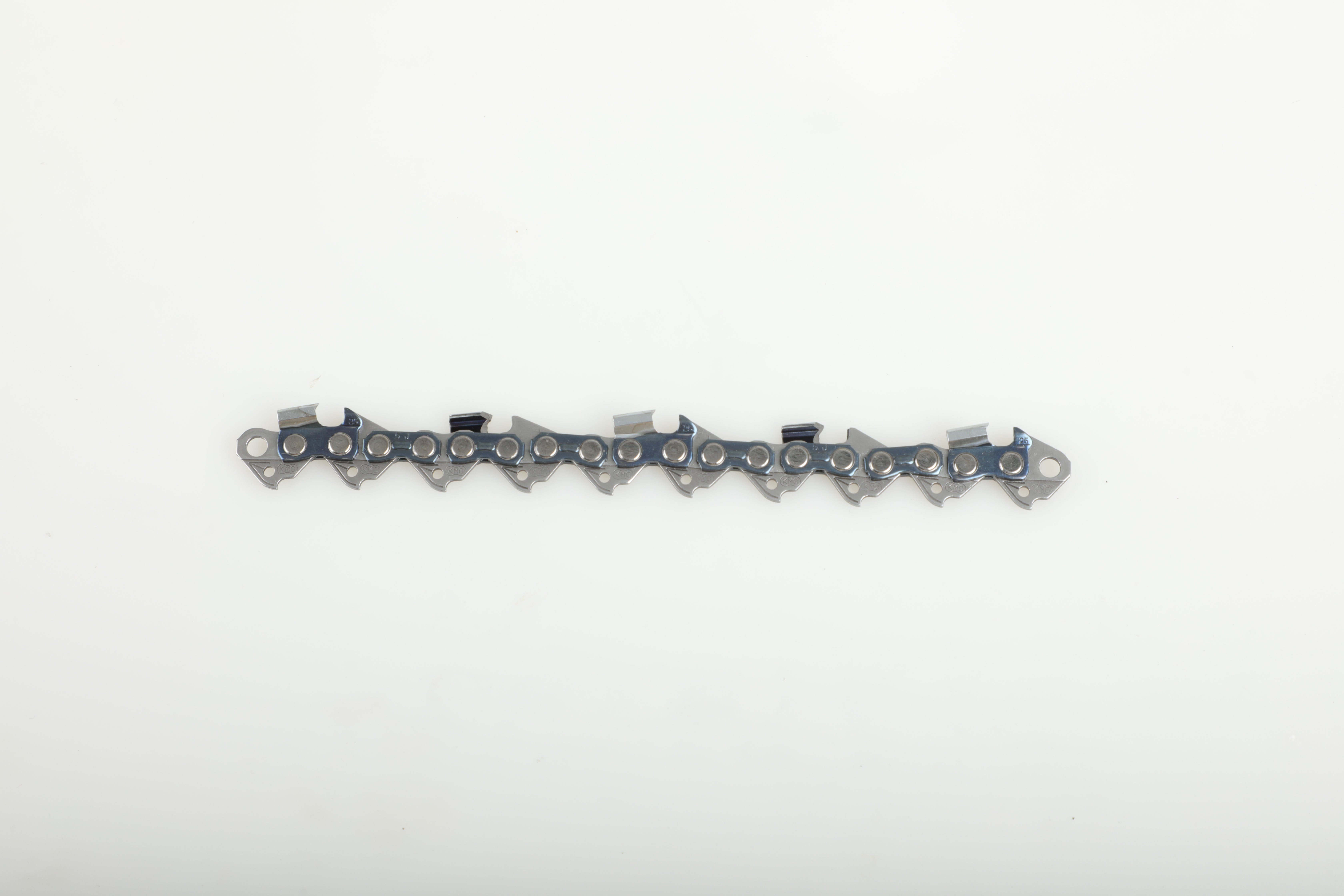
Quick answer: A chainsaw chain wholesale buying guide should start with the installed saw and bar needs in the target market, then build an assortment by pitch, gauge, drive-link count and cutter type. Distributors also need clear product codes, durable package labels, sensible opening quantities and a reorder process that prevents similar loops from being mixed.
Wholesale chains are not interchangeable commodities. Two loops that look similar may differ in gauge, drive-link count or chassis, and a wrong selection can create returns before cutting begins. This guide helps distributors plan a sellable range, prepare a supplier request and protect inventory accuracy from the first sample through replenishment.
- Build the range from service demand, not a supplier’s largest catalog.
- Pitch, gauge and drive-link count must travel together.
- Match cutting behavior and maintenance needs to the buyer segment.
- A package should reduce selection and warehouse errors.
- Test product, label and order execution together.
Table of Contents
- Map Wholesale Demand Before Choosing an Assortment
- Define Every Wholesale Chain by Fit Data
- Choose Cutter and Chassis for the Customer Mix
- Design Wholesale Packaging for Fast Identification
- Use Samples and a Controlled Opening Order
- Plan Reorders, Substitutions and Slow-Moving Stock
- Frequently Asked Questions
- Conclusion
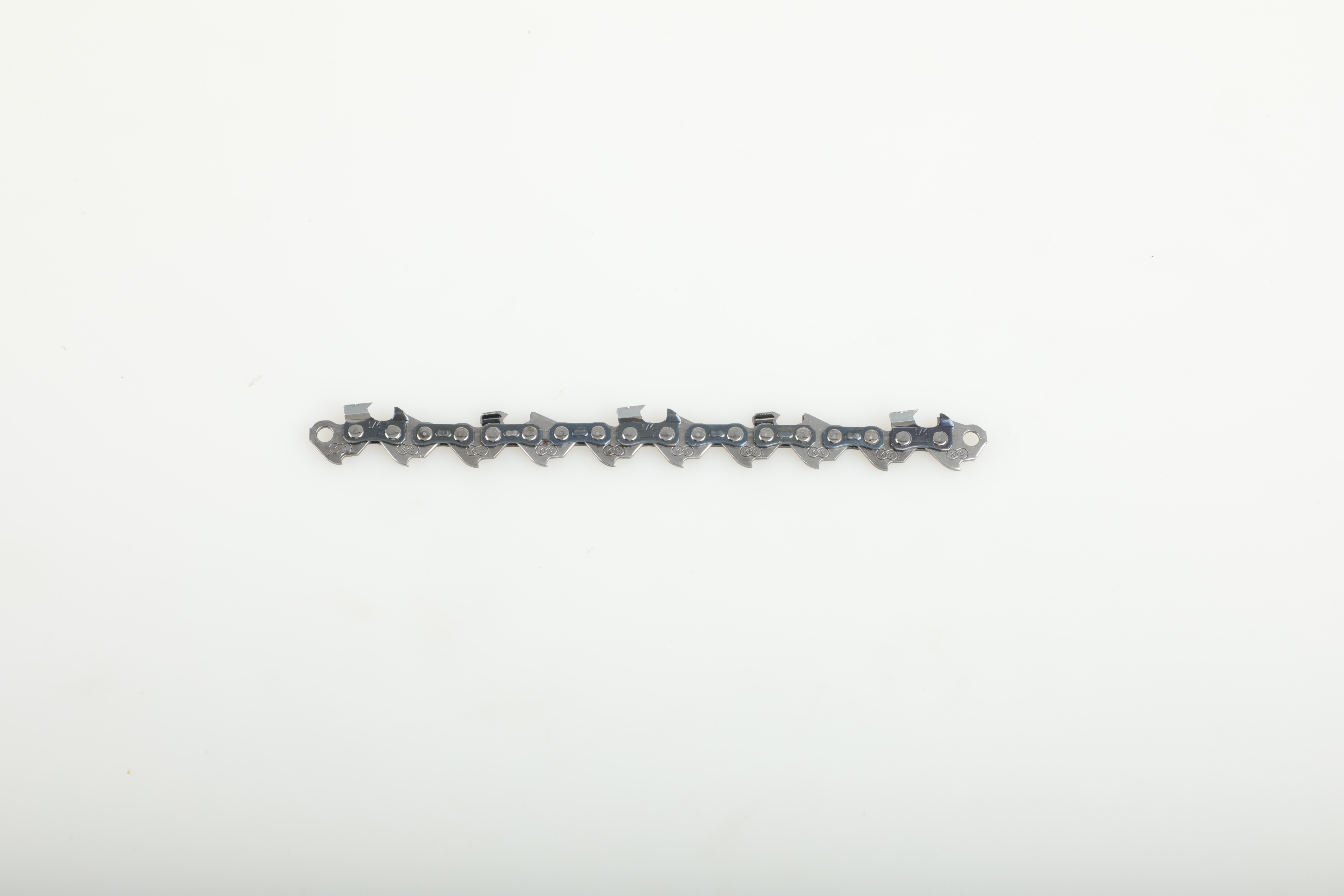
Wholesale success depends on an assortment that customers can identify and replace accurately.
Map Wholesale Demand Before Choosing an Assortment
Review the saw classes, guide bars, pitches and gauges that repair shops and end users actually request in the target territory. For distributors, importers and regional replacement-parts wholesalers, this point should be connected to a written product or order requirement rather than left as a general preference. The response is easier to compare when every candidate uses the same terminology and confirms any exception before work begins.
The practical action is to group demand into core, seasonal and special-order loops, then assign an opening quantity to each product code. Keep the result with the quotation, sample or order record so later decisions use the approved version. When several chain configurations are involved, separate them by pitch, gauge and drive-link count instead of combining different loops in one description.
A common failure is buying a wide catalog with many near-duplicate loops but little evidence of local fit demand. The guardrail is to start with documented service history, distributor inquiries and confirmed equipment applications. This does not eliminate every supply or operating risk, but it makes the decision visible, reviewable and easier to correct before a full order is packed or used.
| Decision point | What to confirm | Why it matters |
|---|---|---|
| Assortment | Market-relevant pitch and gauge combinations | Avoids stock that does not fit local demand |
| Loop identity | Exact drive-link count and product code | Controls replacement accuracy |
| Package | Readable dimensions and barcode | Supports warehouse and counter sales |
| Opening order | Representative but controlled quantity | Tests demand and execution |
| Reorder | Approved revision and stock thresholds | Prevents accidental substitutions |
Define Every Wholesale Chain by Fit Data
Each saleable loop needs its own pitch, gauge, drive-link count, cutter style and internal code. For distributors, importers and regional replacement-parts wholesalers, this point should be connected to a written product or order requirement rather than left as a general preference. The response is easier to compare when every candidate uses the same terminology and confirms any exception before work begins.
The practical action is to use the chainsaw chain size chart and bar markings to build a controlled assortment sheet. Keep the result with the quotation, sample or order record so later decisions use the approved version. When several chain configurations are involved, separate them by pitch, gauge and drive-link count instead of combining different loops in one description.
A common failure is using guide-bar length as the only selector or placing several drive-link counts under one ambiguous item. The guardrail is to print the exact fit values on order records, product pages, labels and shelf locations. This does not eliminate every supply or operating risk, but it makes the decision visible, reviewable and easier to correct before a full order is packed or used.
Choose Cutter and Chassis for the Customer Mix
Homeowner, arborist, farm, firewood and logging customers may value different cutter profiles and low-profile arrangements. For distributors, importers and regional replacement-parts wholesalers, this point should be connected to a written product or order requirement rather than left as a general preference. The response is easier to compare when every candidate uses the same terminology and confirms any exception before work begins.
The practical action is to separate chain type from physical fit and document which segment each product is intended to serve. Keep the result with the quotation, sample or order record so later decisions use the approved version. When several chain configurations are involved, separate them by pitch, gauge and drive-link count instead of combining different loops in one description.
A common failure is assuming the fastest-cutting option is automatically the best wholesale choice for every operating environment. The guardrail is to balance cutting intent with sharpening practice, wood cleanliness, saw class and operator guidance. This does not eliminate every supply or operating risk, but it makes the decision visible, reviewable and easier to correct before a full order is packed or used.
Design Wholesale Packaging for Fast Identification
Labels need a visible product code, pitch, gauge, drive-link count, chain type and quantity in consistent positions. For distributors, importers and regional replacement-parts wholesalers, this point should be connected to a written product or order requirement rather than left as a general preference. The response is easier to compare when every candidate uses the same terminology and confirms any exception before work begins.
The practical action is to test package readability at a sales counter and during carton receiving before approving a large print run. Keep the result with the quotation, sample or order record so later decisions use the approved version. When several chain configurations are involved, separate them by pitch, gauge and drive-link count instead of combining different loops in one description.
A common failure is using color or a marketing name as the only distinction between physically different loops. The guardrail is to combine readable text, a stable barcode and a warehouse location tied to the same product record. This does not eliminate every supply or operating risk, but it makes the decision visible, reviewable and easier to correct before a full order is packed or used.
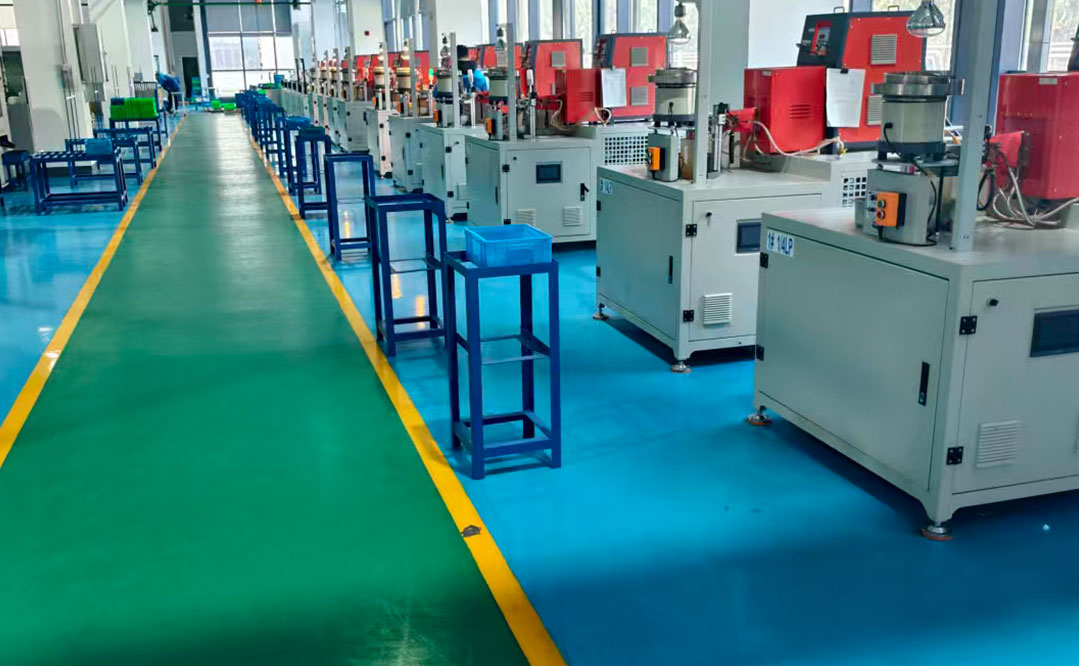
Use Samples and a Controlled Opening Order
Representative samples should cover the planned fit combinations and any materially different package version. For distributors, importers and regional replacement-parts wholesalers, this point should be connected to a written product or order requirement rather than left as a general preference. The response is easier to compare when every candidate uses the same terminology and confirms any exception before work begins.
The practical action is to confirm dimensions, count, cutter form, fit, labeling and carton marks, then release a manageable opening order. Keep the result with the quotation, sample or order record so later decisions use the approved version. When several chain configurations are involved, separate them by pitch, gauge and drive-link count instead of combining different loops in one description.
A common failure is testing one common loop while the actual wholesale program contains many similar configurations. The guardrail is to include difficult-to-distinguish items in the trial and perform receiving checks before stock is distributed. This does not eliminate every supply or operating risk, but it makes the decision visible, reviewable and easier to correct before a full order is packed or used.
Plan Reorders, Substitutions and Slow-Moving Stock
Wholesale supply needs reorder points, lead-time assumptions and a process for reviewing obsolete or slow-moving codes. For distributors, importers and regional replacement-parts wholesalers, this point should be connected to a written product or order requirement rather than left as a general preference. The response is easier to compare when every candidate uses the same terminology and confirms any exception before work begins.
The practical action is to reference the approved specification revision on every repeat order and require approval before any substitution. Keep the result with the quotation, sample or order record so later decisions use the approved version. When several chain configurations are involved, separate them by pitch, gauge and drive-link count instead of combining different loops in one description.
A common failure is accepting a supplier’s similar loop because the normal item is unavailable without checking fit or label impact. The guardrail is to route alternatives through technical review and keep discontinued stock clearly identified until resolved. This does not eliminate every supply or operating risk, but it makes the decision visible, reviewable and easier to correct before a full order is packed or used.
Frequently Asked Questions
What information is required for chainsaw chain wholesale pricing?
Provide pitch, gauge, drive-link count, cutter or chassis type, quantity by item, package format, label requirements and delivery basis. A mixed assortment should list each loop separately so the supplier can quote setup and packaging accurately.
How many chain sizes should a distributor stock?
There is no universal number. Stock depth should follow local equipment demand, service history and customer segments. Classify loops as core, seasonal or special order, then expand only when sales and fit data support the change.
Can wholesalers sell by guide-bar length alone?
No. Bar length does not uniquely determine pitch, gauge or drive-link count. Use the guide-bar and saw specifications together, then confirm the exact loop identity before sale.
Where can distributors request KMC wholesale information?
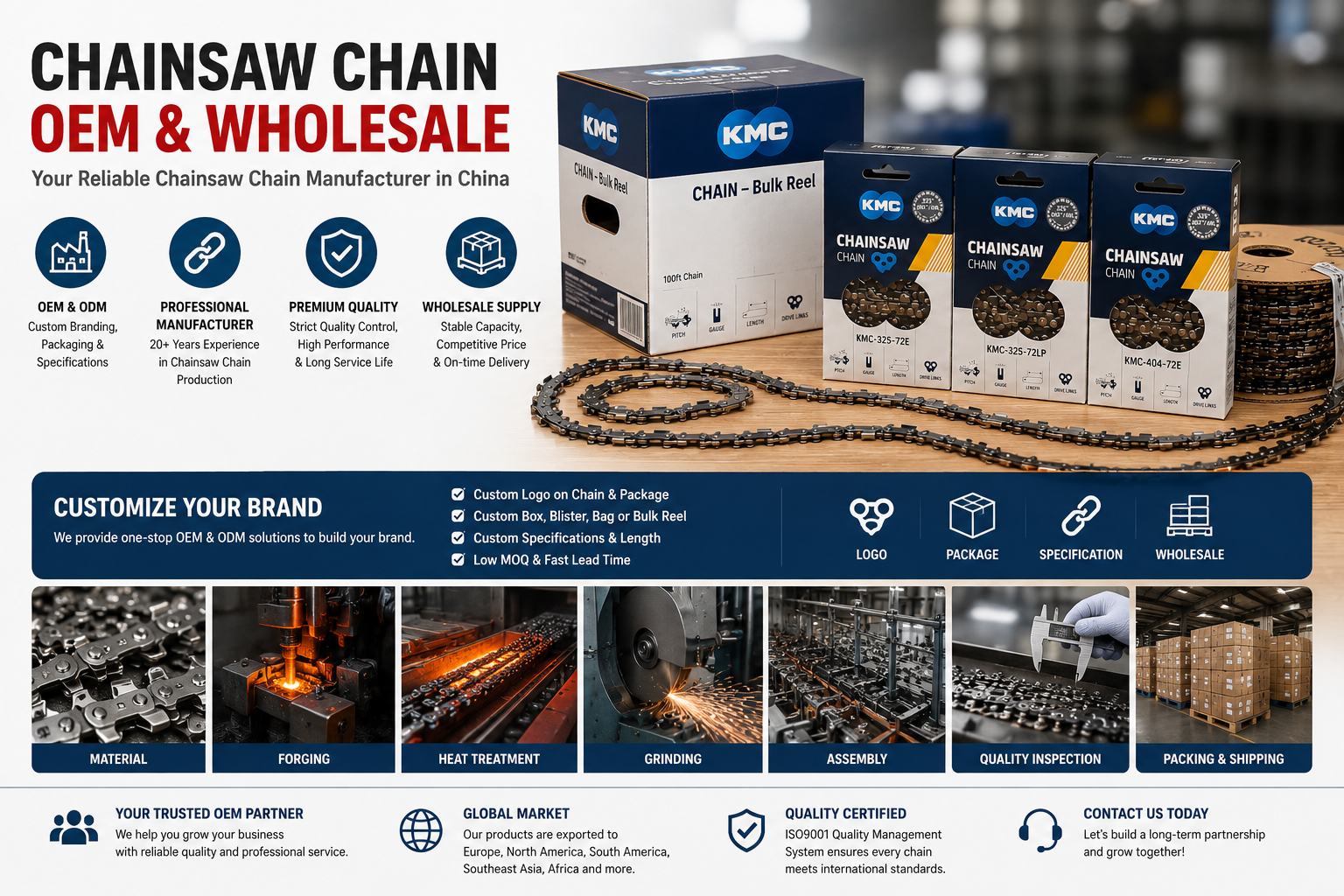
Review the KMC OEM and wholesale services, then submit the planned assortment, quantities and packaging needs through the contact page.
Conclusion
This chainsaw chain wholesale buying guide turns a broad product category into a controlled distributor assortment. Map demand, define every loop, choose suitable cutter options, make packages easy to identify, test a representative opening order and protect repeat specifications. Those steps reduce preventable returns and make replenishment easier to manage.