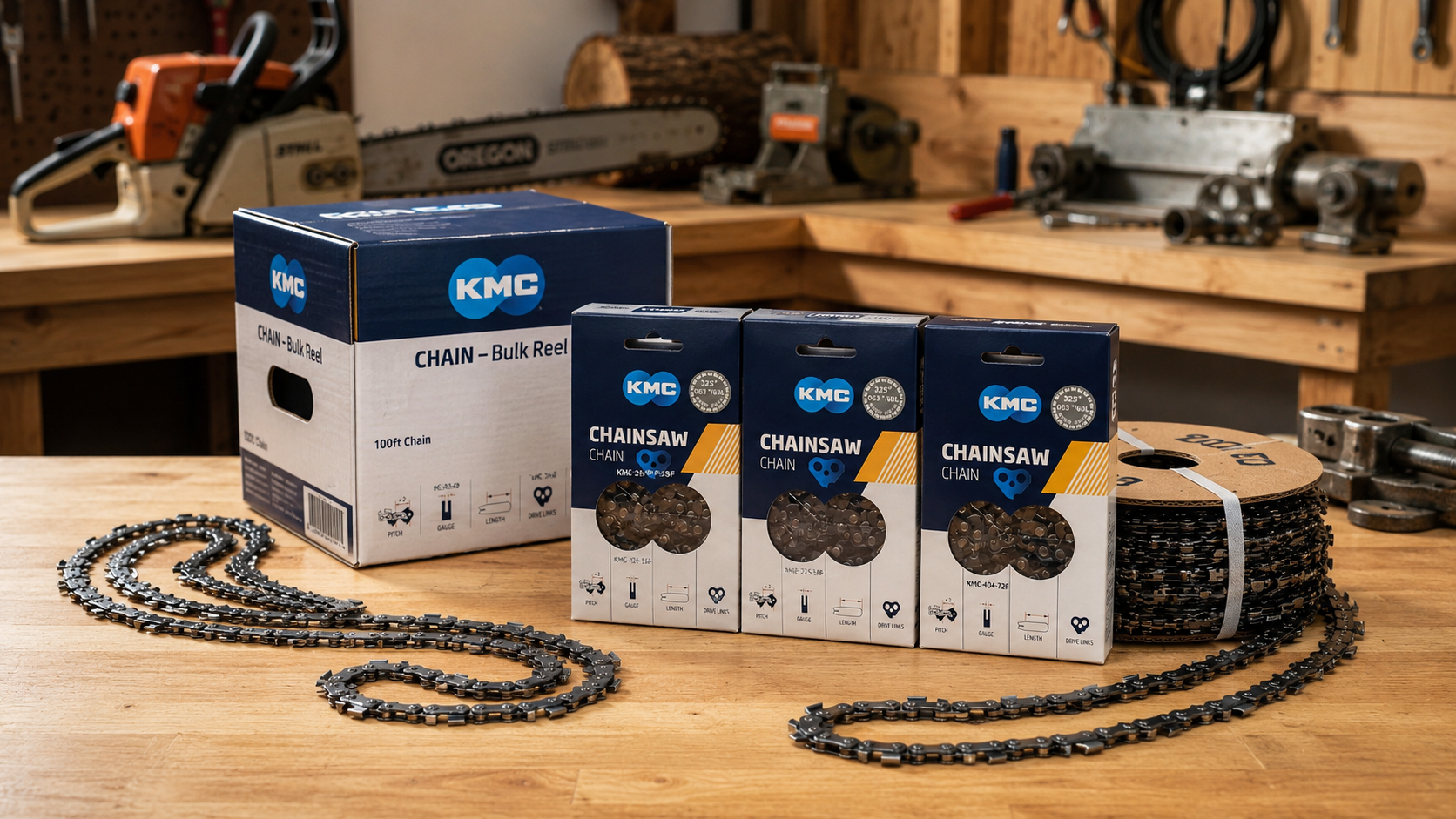
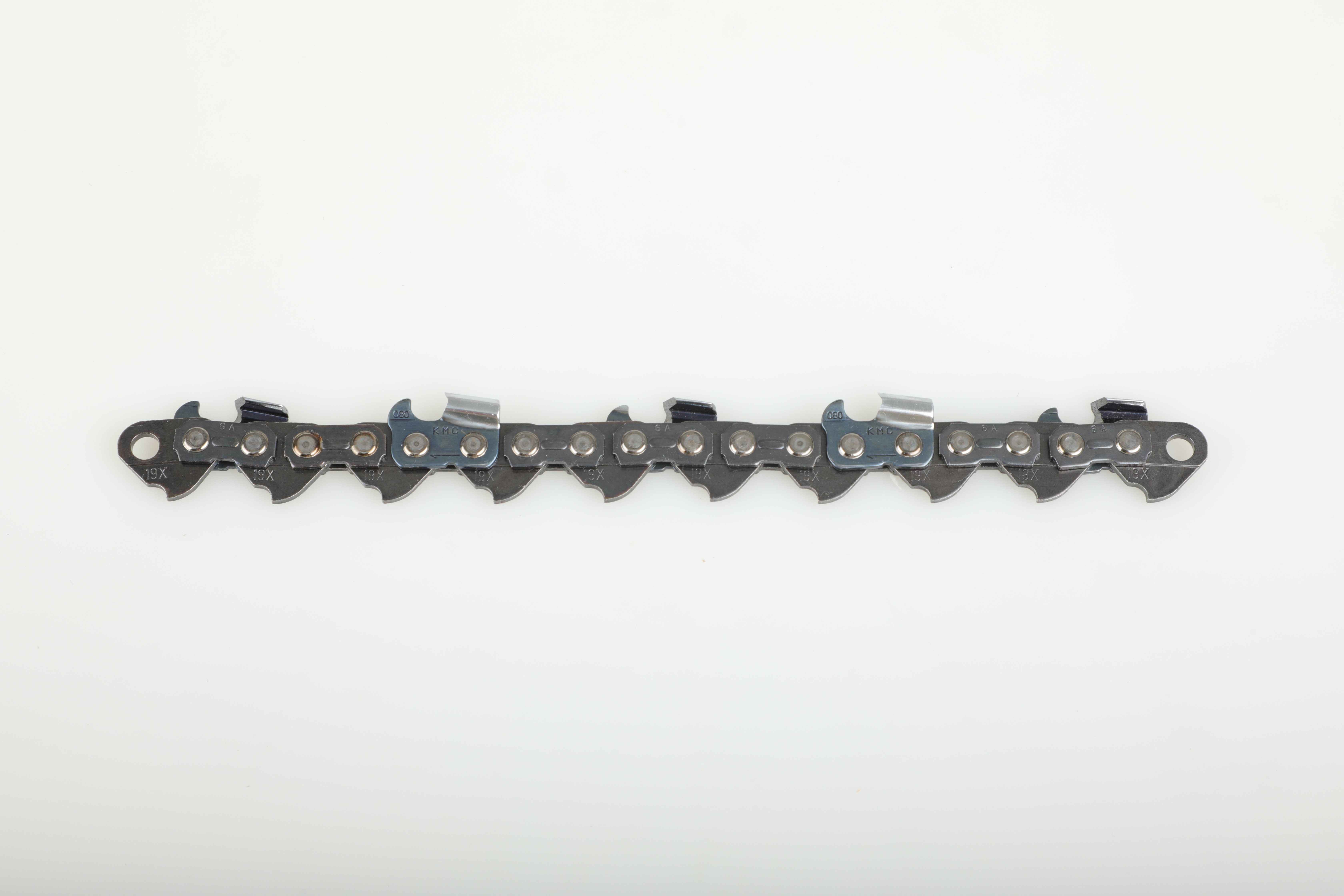
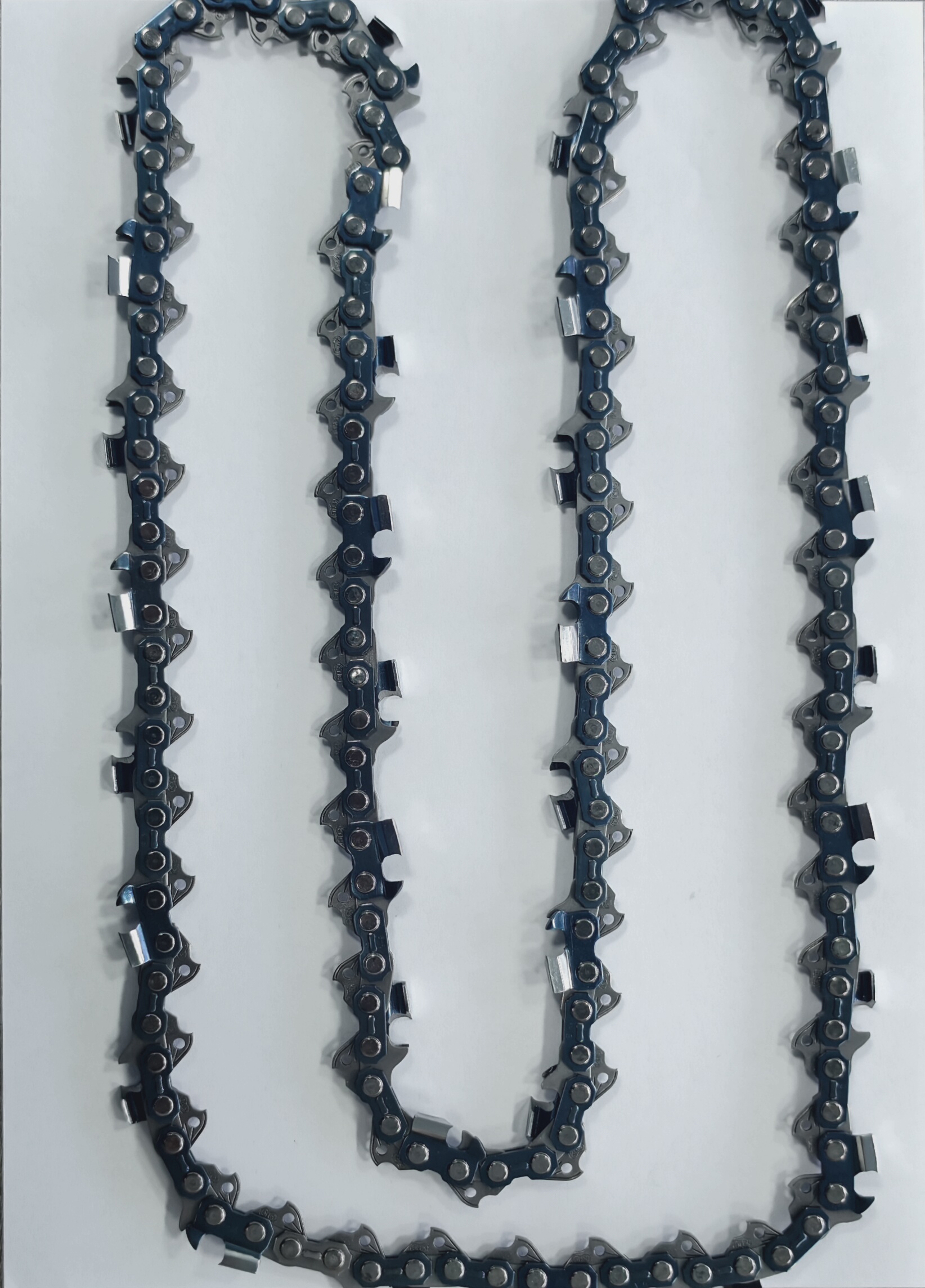
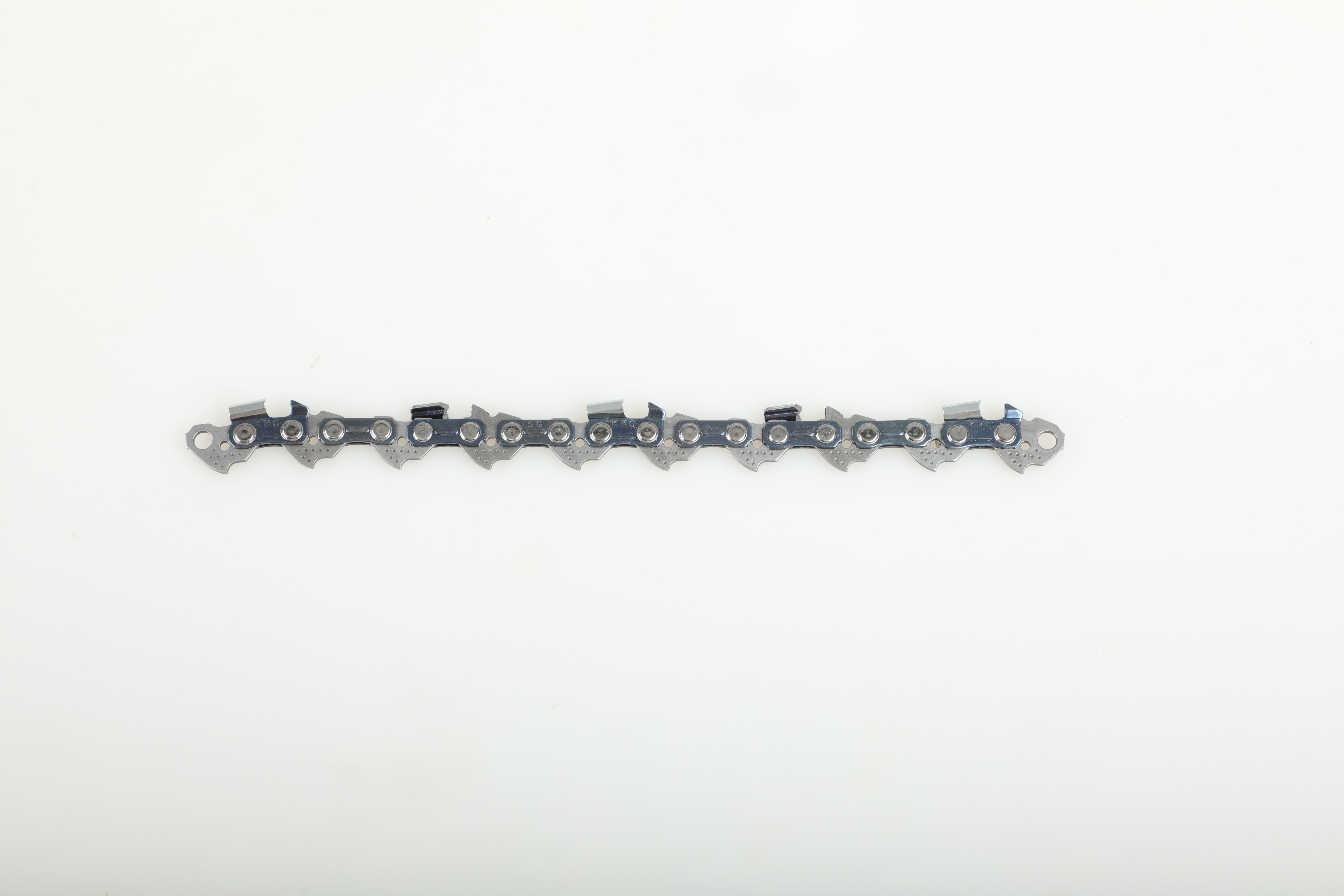
Quick answer: A bulk chainsaw chain ordering guide should distinguish finished loops from reel or workshop supply and state pitch, gauge, cutter form, sequence, quantity, labeling and packaging for each item. Finished loops also need exact drive-link counts. Reel programs need controlled identification, joining procedures, trained personnel and accurate inventory records.
Bulk ordering can reduce repeated handling, but it also concentrates specification and inventory risk. A mislabeled reel or a mixed carton can affect many customer loops. This guide helps buyers decide the supply format, prepare an order matrix and maintain identity after goods enter the warehouse or workshop.
- Match the format to capability and sales channel.
- Give each pitch, gauge and cutter form a separate line.
- Protect the finished loop made from bulk stock.
- Keep identity after outer packaging is removed.
- Verify product and commercial units together.
Table of Contents
- Choose Finished Loops or Reel Supply
- Specify Every Bulk Chain Configuration
- Define Loop Counting and Joining Controls
- Plan Labels, Cartons and Reel Identification
- Approve Samples and Quantity Basis
- Manage Bulk Inventory and Reorders
- Frequently Asked Questions
- Conclusion
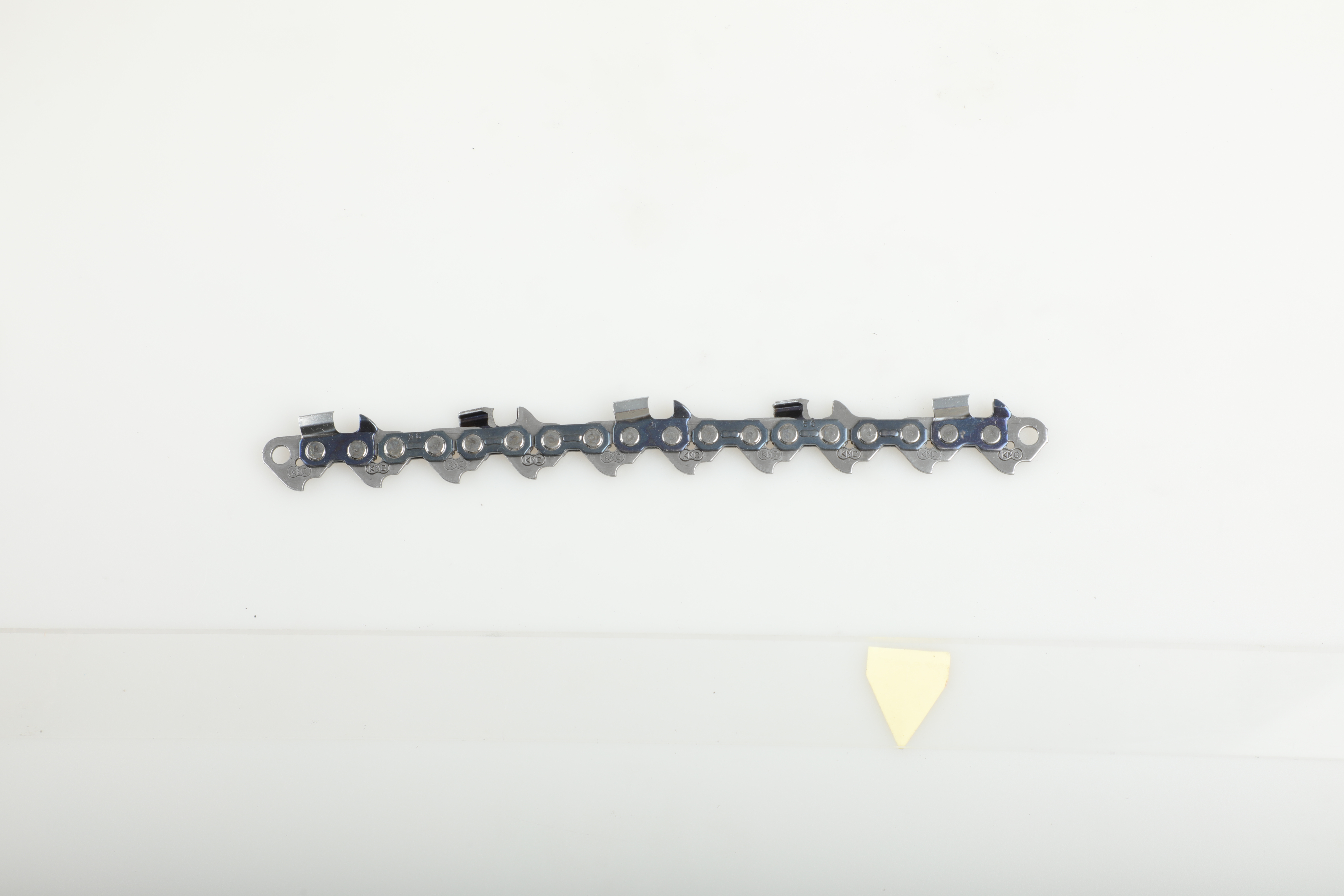
Bulk supply needs the same fit discipline as retail loops, plus clear reel, joining and inventory controls.
Choose Finished Loops or Reel Supply
Finished loops arrive at an approved count, while reel supply requires controlled loop making and joining. For wholesalers, service workshops and private brands ordering chain in volume, this point should be connected to a written product or order requirement rather than left as a general preference. The response is easier to compare when every candidate uses the same terminology and confirms any exception before work begins.
The practical action is to review workshop equipment, trained personnel, demand mix and traceability before choosing Keep the result with the quotation, sample or order record so later decisions use the approved version. When several chain configurations are involved, separate them by pitch, gauge and drive-link count instead of combining different loops in one description.
A common failure is selecting reels only for price while ignoring loop-making controls The guardrail is to use finished loops unless the workshop can identify, count, join and inspect reliably This does not eliminate every supply or operating risk, but it makes the decision visible, reviewable and easier to correct before a full order is packed or used.
| Decision point | What to confirm | Why it matters |
|---|---|---|
| Specification | Pitch, gauge, drive links and chain form | Controls physical fit |
| Sample | Measured loop and approved identity | Creates the release reference |
| Quality | Inspection and batch record | Supports repeat consistency |
| Packaging | Product code, proof and carton mark | Prevents mixed goods |
| Change control | Written approval before substitution | Protects repeat orders |
Specify Every Bulk Chain Configuration
Bulk does not remove the need for exact fit data and product identity. For wholesalers, service workshops and private brands ordering chain in volume, this point should be connected to a written product or order requirement rather than left as a general preference. The response is easier to compare when every candidate uses the same terminology and confirms any exception before work begins.
The practical action is to state drive-link count for loops and agreed length or quantity basis for reel supply Keep the result with the quotation, sample or order record so later decisions use the approved version. When several chain configurations are involved, separate them by pitch, gauge and drive-link count instead of combining different loops in one description.
A common failure is combining different gauges or cutter forms under one broad chain description The guardrail is to assign unique product codes and prohibit unapproved substitutions This does not eliminate every supply or operating risk, but it makes the decision visible, reviewable and easier to correct before a full order is packed or used.
Define Loop Counting and Joining Controls
Workshop-made loops need accurate drive-link counting, approved joining components and inspection. For wholesalers, service workshops and private brands ordering chain in volume, this point should be connected to a written product or order requirement rather than left as a general preference. The response is easier to compare when every candidate uses the same terminology and confirms any exception before work begins.
The practical action is to write the counting, joining, rivet inspection and final identification procedure Keep the result with the quotation, sample or order record so later decisions use the approved version. When several chain configurations are involved, separate them by pitch, gauge and drive-link count instead of combining different loops in one description.
A common failure is creating an incorrect loop length or weak joint through informal methods The guardrail is to limit work to trained personnel using maintained tools and recorded checks This does not eliminate every supply or operating risk, but it makes the decision visible, reviewable and easier to correct before a full order is packed or used.
Plan Labels, Cartons and Reel Identification
Every loop, reel and inner package should retain pitch, gauge, form, batch and product code information. For wholesalers, service workshops and private brands ordering chain in volume, this point should be connected to a written product or order requirement rather than left as a general preference. The response is easier to compare when every candidate uses the same terminology and confirms any exception before work begins.
The practical action is to define durable reel tags, inner labels, carton marks and mixed-carton rules Keep the result with the quotation, sample or order record so later decisions use the approved version. When several chain configurations are involved, separate them by pitch, gauge and drive-link count instead of combining different loops in one description.
A common failure is losing specification or batch identity when stock is moved to a workshop bin The guardrail is to transfer all critical information to the storage location before discarding packaging This does not eliminate every supply or operating risk, but it makes the decision visible, reviewable and easier to correct before a full order is packed or used.
Approve Samples and Quantity Basis
Samples should confirm the chain while the order defines whether quantity is loops, reels, length or another agreed unit. For wholesalers, service workshops and private brands ordering chain in volume, this point should be connected to a written product or order requirement rather than left as a general preference. The response is easier to compare when every candidate uses the same terminology and confirms any exception before work begins.
The practical action is to measure and inspect representative goods and reconcile inner and carton quantities Keep the result with the quotation, sample or order record so later decisions use the approved version. When several chain configurations are involved, separate them by pitch, gauge and drive-link count instead of combining different loops in one description.
A common failure is comparing prices that use different quantity or packing assumptions The guardrail is to normalize the unit basis and packing plan before selecting a quotation This does not eliminate every supply or operating risk, but it makes the decision visible, reviewable and easier to correct before a full order is packed or used.
Manage Bulk Inventory and Reorders
High-volume stock needs locations, reorder points and clear handling of remnants or partial reels. For wholesalers, service workshops and private brands ordering chain in volume, this point should be connected to a written product or order requirement rather than left as a general preference. The response is easier to compare when every candidate uses the same terminology and confirms any exception before work begins.
The practical action is to record receipts, issues, remaining quantity, batch identity and approved revision Keep the result with the quotation, sample or order record so later decisions use the approved version. When several chain configurations are involved, separate them by pitch, gauge and drive-link count instead of combining different loops in one description.
A common failure is mixing remnants from different products or losing the label from a partial reel The guardrail is to use dedicated locations and attach a replacement tag whenever stock is divided This does not eliminate every supply or operating risk, but it makes the decision visible, reviewable and easier to correct before a full order is packed or used.
Frequently Asked Questions
Is bulk chainsaw chain always supplied on reels?
No. Bulk can mean high quantities of finished loops, plain-packed loops or workshop reel supply. The order must define the format, unit basis, specification, labeling and packaging clearly.
What extra controls are needed for reel chain?
Workshops need accurate drive-link counting, approved joining components, maintained tools, trained personnel, joint inspection and a method for transferring product and batch identity to every finished loop.
How should partial reels be stored?
Keep pitch, gauge, cutter form, product code and batch information attached. Protect the chain from contamination and prevent remnants from different products from being combined in one unmarked location.
Where can buyers request bulk options?
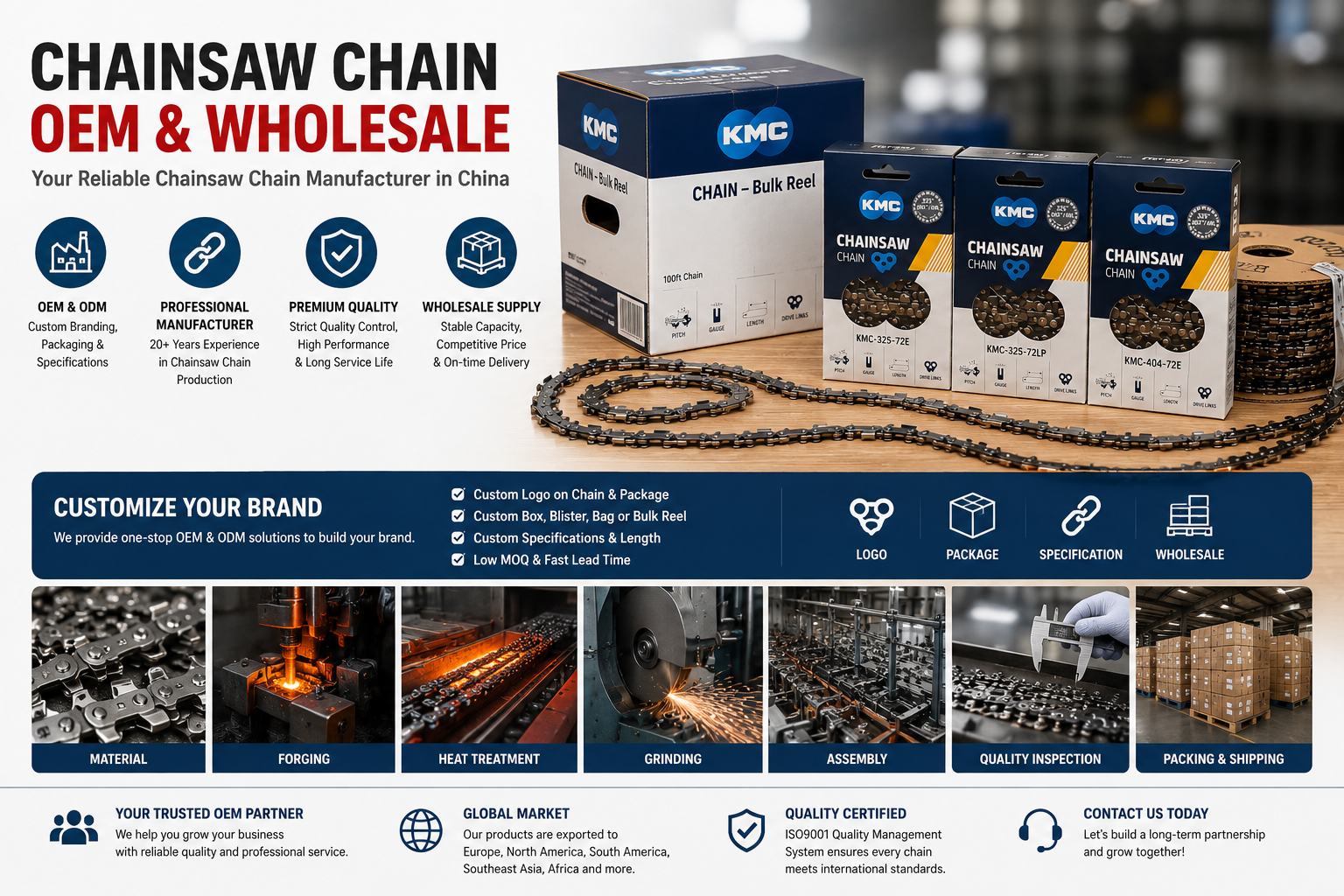
Describe loops or reel format, specifications, quantities and packaging through the KMC contact page. The OEM and wholesale page provides additional service context.
Conclusion
This bulk chainsaw chain ordering guide keeps high-volume supply measurable. Choose the right format, separate every specification, control loop making, preserve labels, normalize quantity units and manage remnants. Bulk purchasing works best when product identity remains intact from factory packing to the final replacement loop.