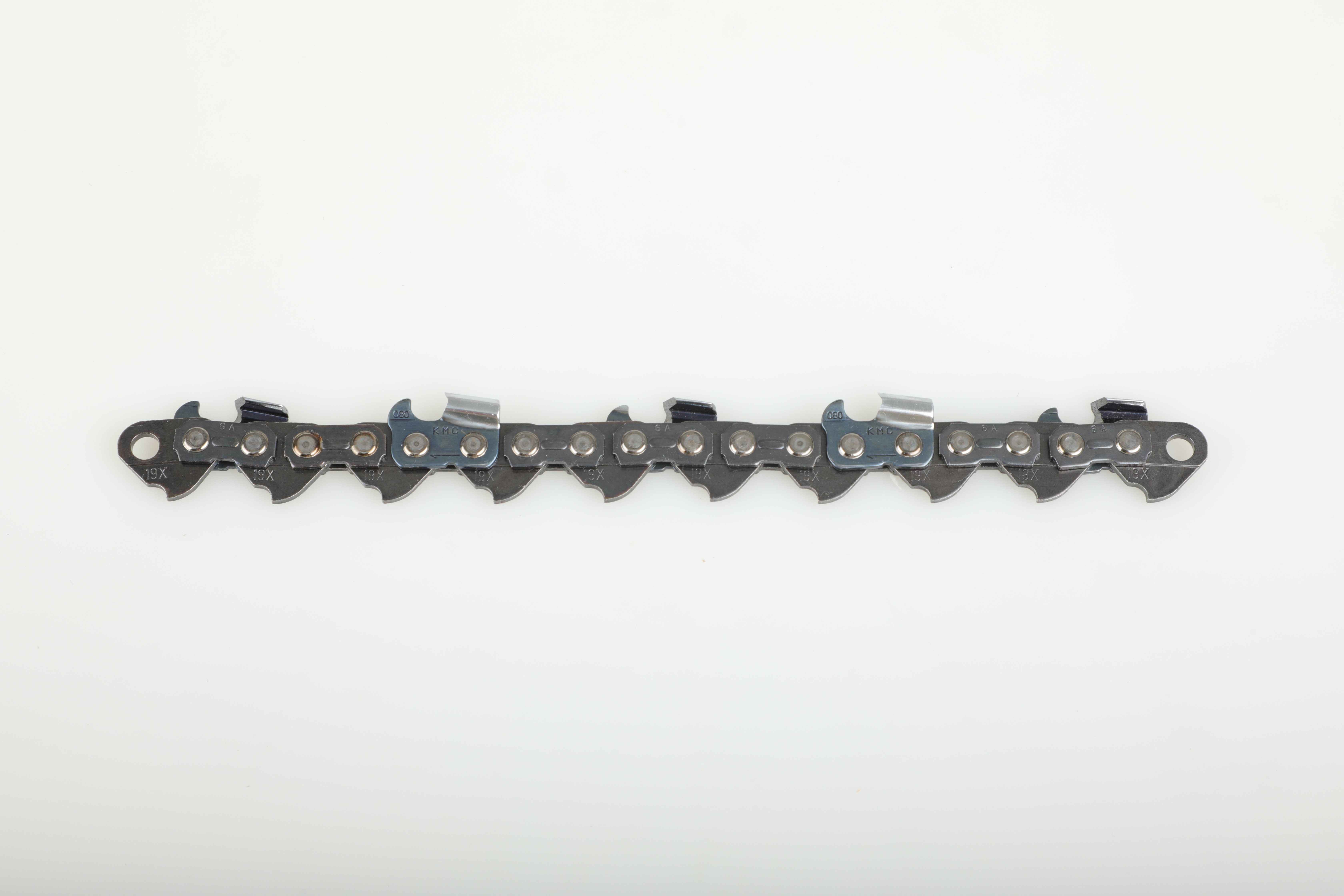
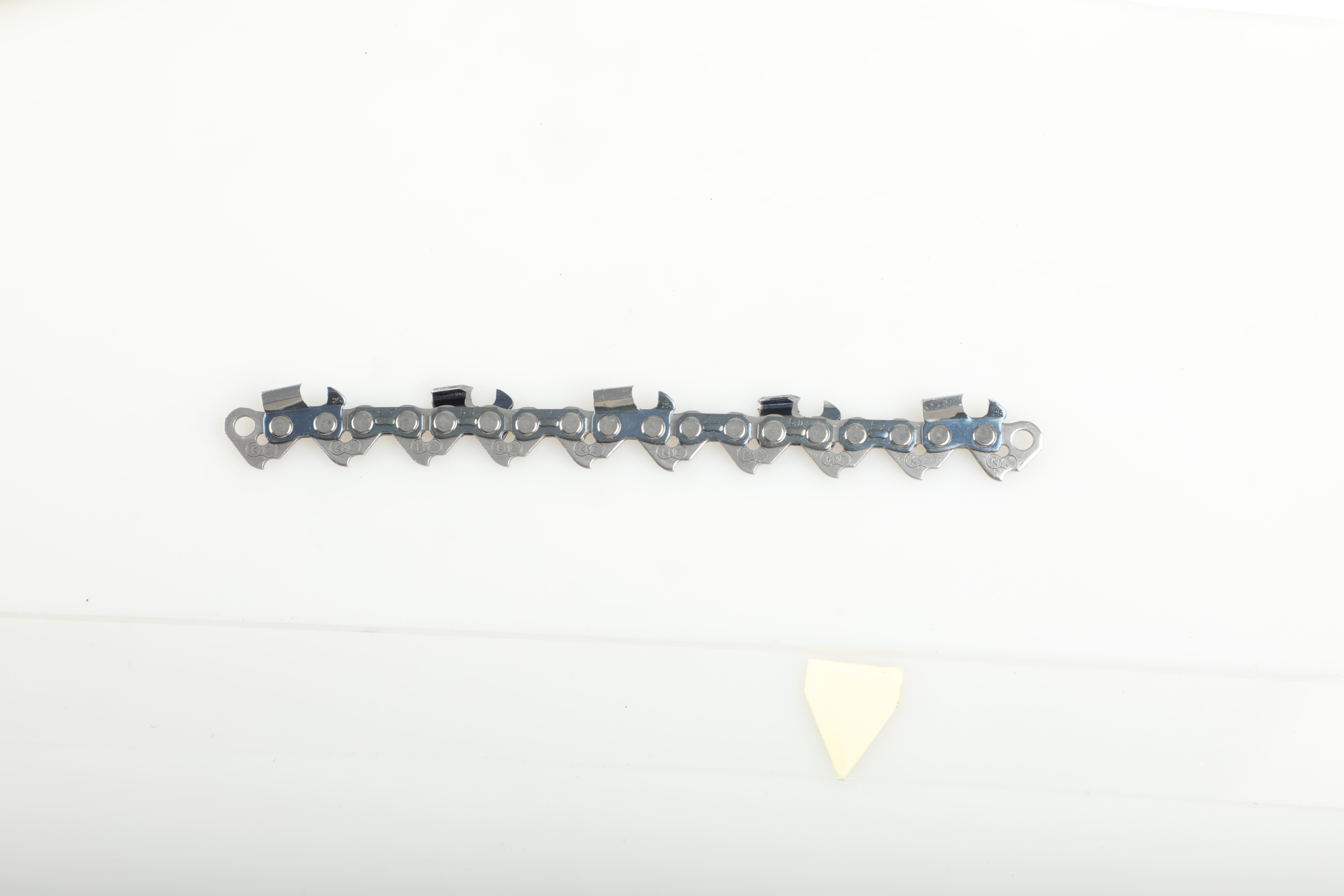
Quick answer: A chainsaw chain for logging in clean and dirty wood should first match the saw, sprocket and bar in pitch, gauge and drive-link count. For relatively clean stems, a full-chisel cutter may support efficient cutting when properly maintained. In bark with grit, soil or contamination, a semi-chisel profile may retain a useful edge differently. Neither option can safely cut unknown debris.
Logging conditions can change within one site. A clean stem held off the ground presents a different edge environment from dragged logs, dirty bark or wood near soil. This guide focuses on adapting cutter choice, inspection and sharpening workflow to that change rather than repeating a general “best logging chain” list.
- Describe contamination before choosing cutters.
- Lock the drive system first.
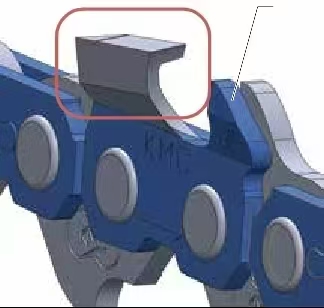
- Use the square corner where conditions support it.
- Balance cutting response with edge tolerance.
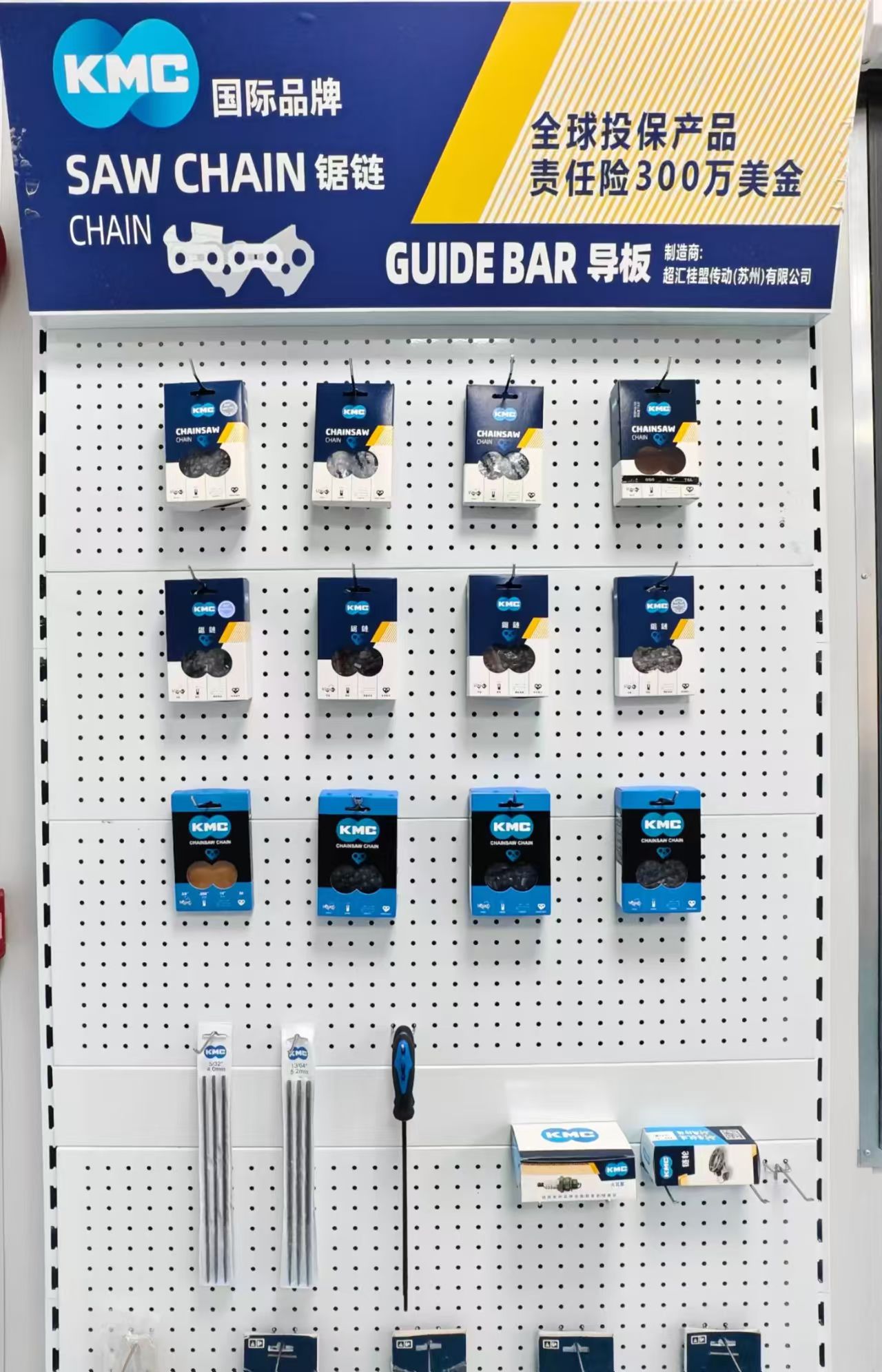
- Support cutter choice with service capacity.
Table of Contents
- Define Clean and Dirty Logging Conditions
- Confirm Professional Saw and Chain Fit
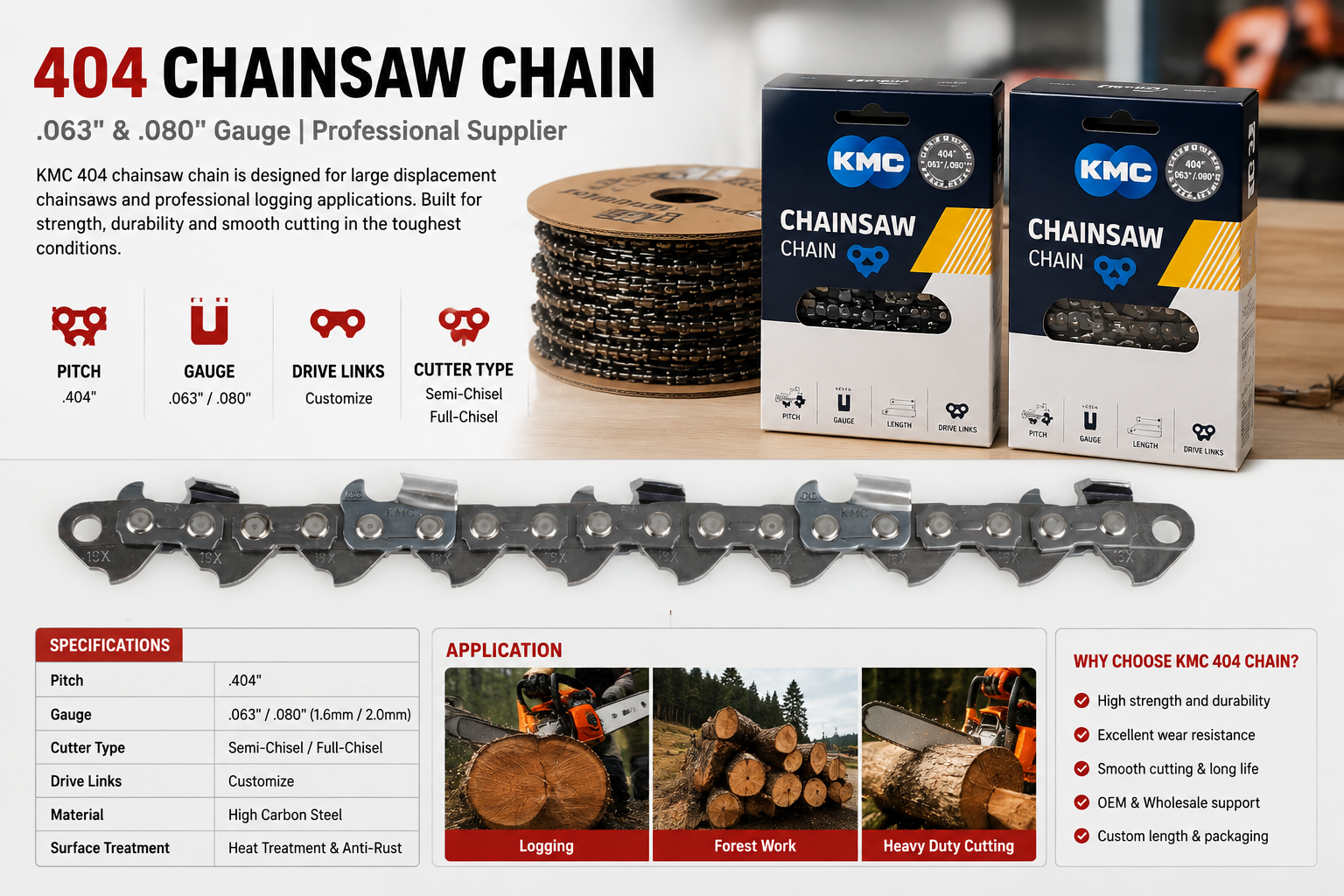
- Consider Full Chisel for Cleaner Wood
- Consider Semi Chisel for Contaminated Bark
- Build a Field Sharpening and Rotation Plan
- Record Results Without Making Universal Claims
- Frequently Asked Questions
- Conclusion
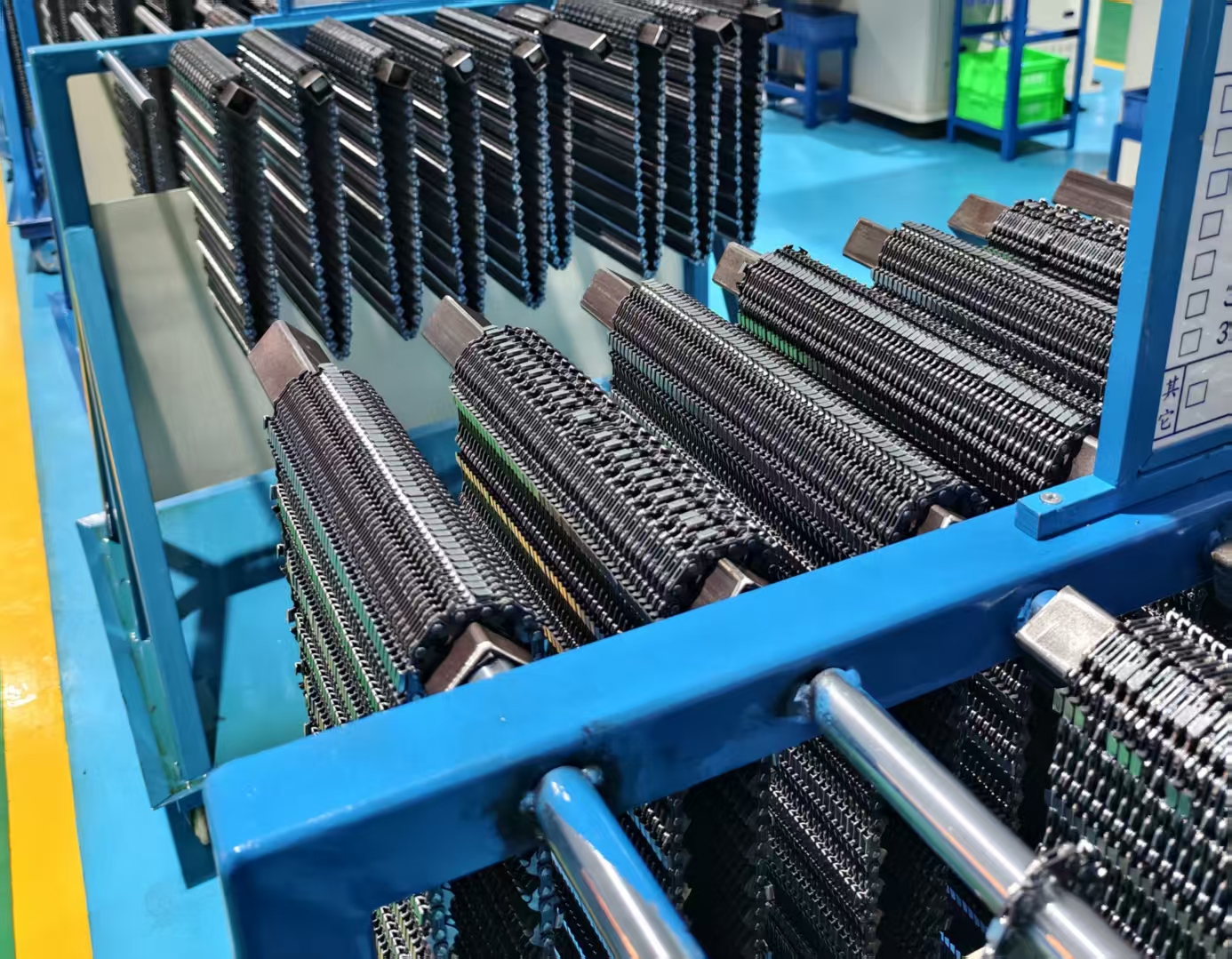
Logging-chain choice changes when bark contamination, ground contact and sharpening access change the working environment.
Define Clean and Dirty Logging Conditions
Clean wood has limited grit and ground contact, while dirty bark may carry soil, sand or embedded material. For logging crews, forestry contractors and professional chain buyers, this point should be connected to a written product or order requirement rather than left as a general preference. The response is easier to compare when every candidate uses the same terminology and confirms any exception before work begins.
The practical action is to walk the site and identify felling, skidding, bucking and landing conditions Keep the result with the quotation, sample or order record so later decisions use the approved version. When several chain configurations are involved, separate them by pitch, gauge and drive-link count instead of combining different loops in one description.
A common failure is using one clean test log to represent an entire contaminated operation The guardrail is to classify the actual work stages and prepare suitable chains and service plans This does not eliminate every supply or operating risk, but it makes the decision visible, reviewable and easier to correct before a full order is packed or used.
| Decision point | What to confirm | Why it matters |
|---|---|---|
| Physical fit | Pitch, gauge and drive links | Mandatory in all wood |
| Clean wood | Consider efficient full-chisel cutting | Sharper corner rewards conditions |
| Dirty bark | Consider semi-chisel tolerance | Rounded corner may retain edge differently |
| Unknown debris | Stop and inspect | No chain is debris-proof |
| Field service | Sharpening, spares and inspections | Keeps work controlled |
Confirm Professional Saw and Chain Fit
Logging cutter choice cannot correct an incorrect pitch, gauge or drive-link count. For logging crews, forestry contractors and professional chain buyers, this point should be connected to a written product or order requirement rather than left as a general preference. The response is easier to compare when every candidate uses the same terminology and confirms any exception before work begins.
The practical action is to verify bar, sprocket and chain information and inspect wear Keep the result with the quotation, sample or order record so later decisions use the approved version. When several chain configurations are involved, separate them by pitch, gauge and drive-link count instead of combining different loops in one description.
A common failure is moving a desirable cutter onto an incompatible or damaged setup The guardrail is to use dedicated product codes and maintain matched bars and sprockets This does not eliminate every supply or operating risk, but it makes the decision visible, reviewable and easier to correct before a full order is packed or used.
Consider Full Chisel for Cleaner Wood
Full chisel is commonly chosen for efficient cutting in clean stems with skilled sharpening and suitable saws. For logging crews, forestry contractors and professional chain buyers, this point should be connected to a written product or order requirement rather than left as a general preference. The response is easier to compare when every candidate uses the same terminology and confirms any exception before work begins.
The practical action is to evaluate representative clean wood and monitor edge condition Keep the result with the quotation, sample or order record so later decisions use the approved version. When several chain configurations are involved, separate them by pitch, gauge and drive-link count instead of combining different loops in one description.
A common failure is assuming the same response after soil, stone or dirty bark contact The guardrail is to switch or service the chain when conditions change This does not eliminate every supply or operating risk, but it makes the decision visible, reviewable and easier to correct before a full order is packed or used.
Consider Semi Chisel for Contaminated Bark
The rounded corner may keep a useful edge differently in imperfect wood and mixed forestry work. For logging crews, forestry contractors and professional chain buyers, this point should be connected to a written product or order requirement rather than left as a general preference. The response is easier to compare when every candidate uses the same terminology and confirms any exception before work begins.
The practical action is to compare compatible chains over the same dirty-wood task and maintenance interval Keep the result with the quotation, sample or order record so later decisions use the approved version. When several chain configurations are involved, separate them by pitch, gauge and drive-link count instead of combining different loops in one description.
A common failure is treating semi chisel as immune to grit or metal The guardrail is to avoid contaminants and inspect immediately after abnormal contact This does not eliminate every supply or operating risk, but it makes the decision visible, reviewable and easier to correct before a full order is packed or used.
Build a Field Sharpening and Rotation Plan
Logging crews need sharp spares, correct files or grinders, depth-gauge tools and a method for removing damaged loops. For logging crews, forestry contractors and professional chain buyers, this point should be connected to a written product or order requirement rather than left as a general preference. The response is easier to compare when every candidate uses the same terminology and confirms any exception before work begins.
The practical action is to assign inspection intervals and rotate chains before severe dulling Keep the result with the quotation, sample or order record so later decisions use the approved version. When several chain configurations are involved, separate them by pitch, gauge and drive-link count instead of combining different loops in one description.
A common failure is continuing to force a dull chain because production is behind schedule The guardrail is to stop, replace or sharpen when chips, feed or cutter condition changes abnormally This does not eliminate every supply or operating risk, but it makes the decision visible, reviewable and easier to correct before a full order is packed or used.
Record Results Without Making Universal Claims
Cutting time and edge life depend on wood, contamination, saw, chain, operator and maintenance. For logging crews, forestry contractors and professional chain buyers, this point should be connected to a written product or order requirement rather than left as a general preference. The response is easier to compare when every candidate uses the same terminology and confirms any exception before work begins.
The practical action is to record conditions, work scope, service actions and post-use inspection Keep the result with the quotation, sample or order record so later decisions use the approved version. When several chain configurations are involved, separate them by pitch, gauge and drive-link count instead of combining different loops in one description.
A common failure is publishing one percentage or service-life promise from a short local trial The guardrail is to use field records for that operation and retest when conditions or products change This does not eliminate every supply or operating risk, but it makes the decision visible, reviewable and easier to correct before a full order is packed or used.
Frequently Asked Questions
Is full chisel the best logging chain for clean wood?
It is commonly considered for efficient professional cutting in clean wood, but the result depends on compatible equipment, saw power, sharpening, depth gauges, operator technique and the actual stem conditions.
Is semi chisel better for dirty bark?
Semi chisel may retain a useful edge differently because of its rounded corner. It is not resistant to every contaminant, and contact with soil, stone or metal still requires inspection and service.
Should crews carry more than one cutter type?
A mixed-condition operation may benefit from approved chains suited to different stages, provided every loop matches the saw and crews understand the sharpening and identification differences.
Where can logging buyers review KMC products?
Compare the 3/8 and .404 categories, then send complete fit and wood-condition information through the contact page.
Conclusion
A chainsaw chain for logging in clean and dirty wood should be chosen with the site, cutter edge and maintenance workflow in mind. Confirm fit, consider full chisel for cleaner conditions and semi chisel for greater tolerance, prepare sharp spares and record field results without turning them into universal promises.