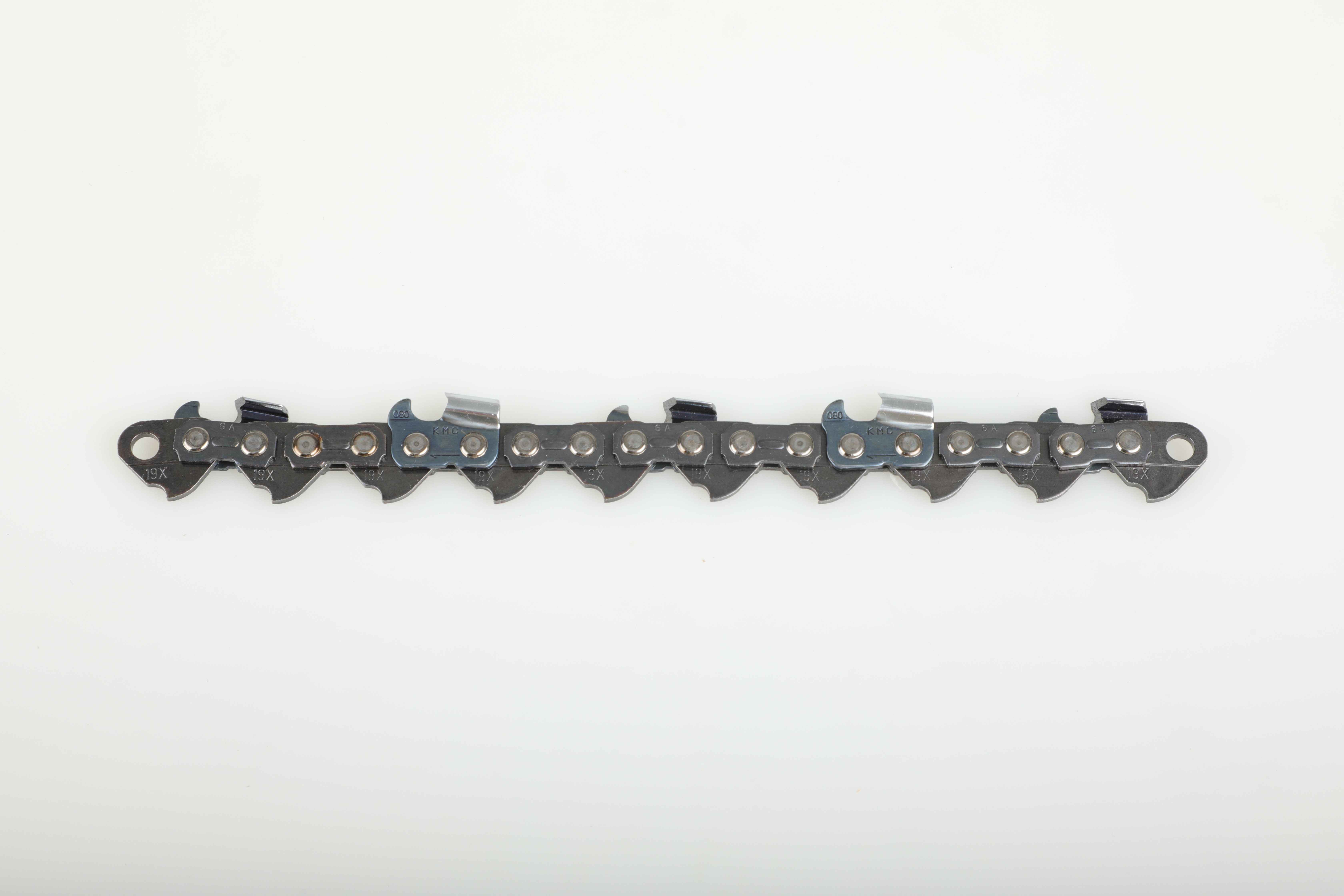
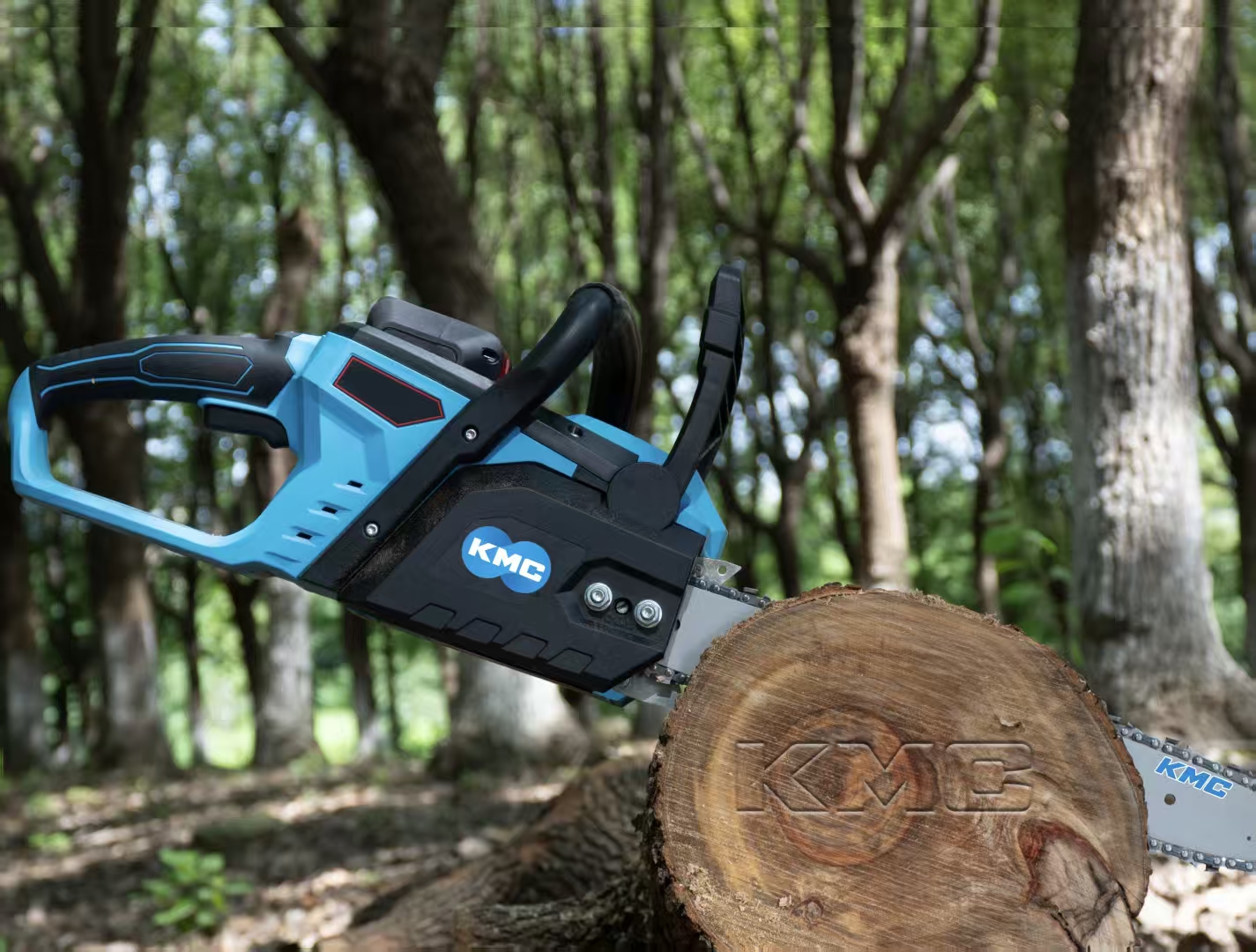
Quick answer: Wholesale chainsaw chains for distributors should be ordered with a SKU matrix that states pitch, gauge, drive-link count, cutter form, package, barcode and quantity for every loop. The distributor should approve representative samples, verify carton labels and define substitution rules before production. This creates a cleaner receiving process and a reliable basis for reorders.
The wholesale buying decision and the physical order are related but different tasks. Once an assortment has been selected, purchasing teams must turn it into documents that production, packing, customs and the destination warehouse can follow. This guide focuses on order execution and inventory control rather than repeating a general range-selection article.
- Give every loop-and-package combination its own SKU.
- Approve data before approving appearance.
- Design receiving information before goods are packed.
- Release the chain and package as one approved item.
- Use risk-based checks at both ends of the shipment.
Table of Contents
- Convert the Assortment into a Distributor SKU Matrix
- Confirm Package Artwork and Product Identification
- Create a Carton and Pallet Packing Plan
- Approve Samples and Pre-Production Records
- Inspect the Order at Production and Receiving
- Control Reorders and Requested Substitutions
- Frequently Asked Questions
- Conclusion
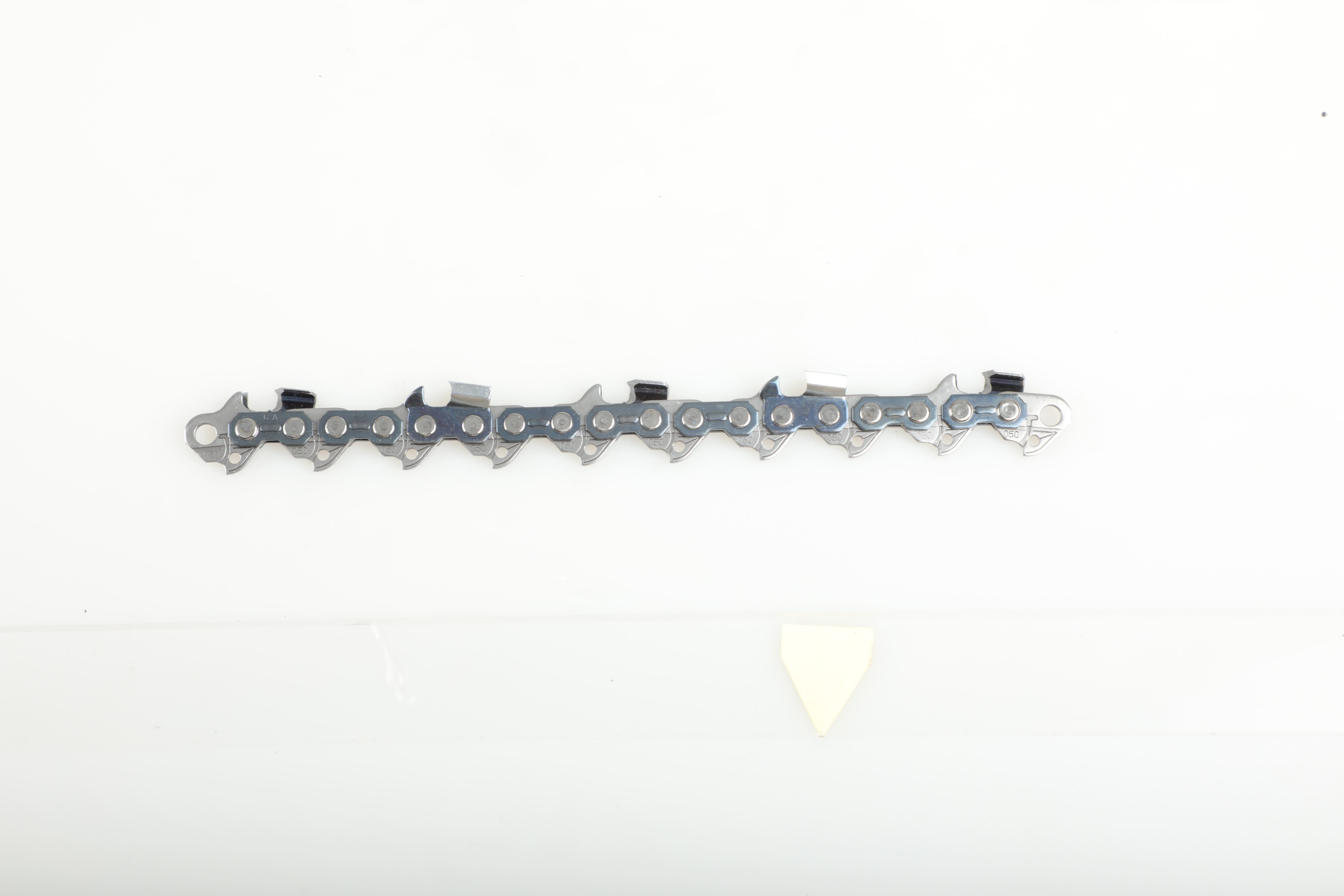
A distributor order should keep every chain loop, package and carton tied to one unambiguous SKU.
Convert the Assortment into a Distributor SKU Matrix
The order matrix should join physical chain data with the distributor’s sellable item code and quantity. For distributor purchasing teams and warehouse managers, this point should be connected to a written product or order requirement rather than left as a general preference. The response is easier to compare when every candidate uses the same terminology and confirms any exception before work begins.
The practical action is to create one line for each pitch, gauge, drive-link count, cutter form, package and barcode combination. Keep the result with the quotation, sample or order record so later decisions use the approved version. When several chain configurations are involved, separate them by pitch, gauge and drive-link count instead of combining different loops in one description.
A common failure is placing several loop counts under one description and expecting the factory or warehouse to infer the difference. The guardrail is to use separate SKUs and require the supplier to return the completed matrix with the quotation. This does not eliminate every supply or operating risk, but it makes the decision visible, reviewable and easier to correct before a full order is packed or used.
| Decision point | What to confirm | Why it matters |
|---|---|---|
| SKU matrix | One line per loop and package | Stops mixed assumptions |
| Artwork | Approved file and revision | Keeps labels accurate |
| Carton plan | SKU, quantity and mark | Supports receiving |
| Sample approval | Measured loop and package proof | Creates release reference |
| Reorder rule | Same revision or approved change | Protects continuity |
Confirm Package Artwork and Product Identification
Brand design should never make fit information difficult to find or disconnect the barcode from the physical loop. For distributor purchasing teams and warehouse managers, this point should be connected to a written product or order requirement rather than left as a general preference. The response is easier to compare when every candidate uses the same terminology and confirms any exception before work begins.
The practical action is to check pitch, gauge, drive links, product code, units, language and barcode against the SKU matrix. Keep the result with the quotation, sample or order record so later decisions use the approved version. When several chain configurations are involved, separate them by pitch, gauge and drive-link count instead of combining different loops in one description.
A common failure is approving attractive artwork that contains an outdated count, wrong unit or duplicated barcode. The guardrail is to use a proof checklist and maintain a register of active and obsolete files. This does not eliminate every supply or operating risk, but it makes the decision visible, reviewable and easier to correct before a full order is packed or used.
Create a Carton and Pallet Packing Plan
Master cartons need a SKU, quantity, gross identification and mark that the destination warehouse can reconcile. For distributor purchasing teams and warehouse managers, this point should be connected to a written product or order requirement rather than left as a general preference. The response is easier to compare when every candidate uses the same terminology and confirms any exception before work begins.
The practical action is to define inner quantity, carton quantity, mixed-carton policy, carton sequence and pallet-label requirements. Keep the result with the quotation, sample or order record so later decisions use the approved version. When several chain configurations are involved, separate them by pitch, gauge and drive-link count instead of combining different loops in one description.
A common failure is allowing similar chains to share an unmarked carton or combining SKUs without an agreed packing list. The guardrail is to require a carton breakdown before shipment and prohibit unapproved mixing of fit-critical items. This does not eliminate every supply or operating risk, but it makes the decision visible, reviewable and easier to correct before a full order is packed or used.
Approve Samples and Pre-Production Records
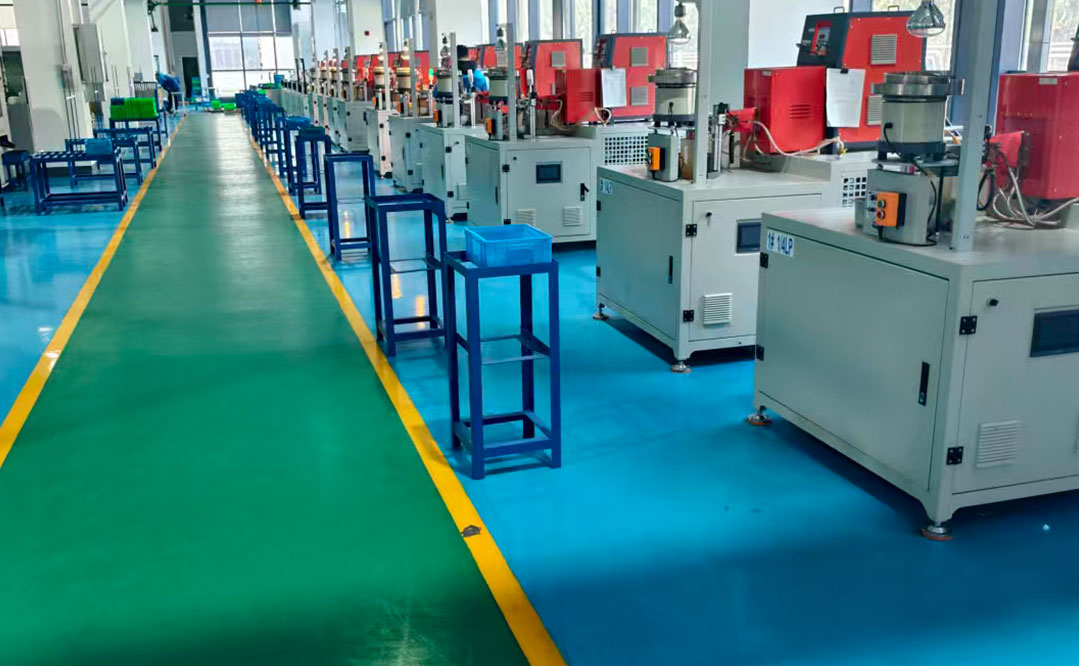
A representative loop, label proof and carton mark should be reviewed together before production begins. For distributor purchasing teams and warehouse managers, this point should be connected to a written product or order requirement rather than left as a general preference. The response is easier to compare when every candidate uses the same terminology and confirms any exception before work begins.
The practical action is to measure the loop, count drive links, confirm cutter form, scan the barcode and compare all printed data. Keep the result with the quotation, sample or order record so later decisions use the approved version. When several chain configurations are involved, separate them by pitch, gauge and drive-link count instead of combining different loops in one description.
A common failure is approving the chain from one sample and the packaging from a different or outdated specification. The guardrail is to attach both approvals to the purchase order and require a revised release after any change. This does not eliminate every supply or operating risk, but it makes the decision visible, reviewable and easier to correct before a full order is packed or used.
Inspect the Order at Production and Receiving
Production checks confirm the supplier followed the release, while receiving checks protect stock before distribution. For distributor purchasing teams and warehouse managers, this point should be connected to a written product or order requirement rather than left as a general preference. The response is easier to compare when every candidate uses the same terminology and confirms any exception before work begins.
The practical action is to sample high-volume, new and easily confused SKUs for dimensions, count, package identity and carton quantity. Keep the result with the quotation, sample or order record so later decisions use the approved version. When several chain configurations are involved, separate them by pitch, gauge and drive-link count instead of combining different loops in one description.
A common failure is checking only total cartons and discovering a mixed or mislabeled loop after customer delivery. The guardrail is to hold sampled inventory until discrepancies are reviewed and trace findings to the production batch. This does not eliminate every supply or operating risk, but it makes the decision visible, reviewable and easier to correct before a full order is packed or used.
Control Reorders and Requested Substitutions
Replenishment needs the prior SKU matrix, artwork revision, package quantity and any formally approved change. For distributor purchasing teams and warehouse managers, this point should be connected to a written product or order requirement rather than left as a general preference. The response is easier to compare when every candidate uses the same terminology and confirms any exception before work begins.
The practical action is to send a revision-controlled reorder and require written notice when a component, label or delivery assumption differs. Keep the result with the quotation, sample or order record so later decisions use the approved version. When several chain configurations are involved, separate them by pitch, gauge and drive-link count instead of combining different loops in one description.
A common failure is letting a similar available chain replace the approved item without checking the bar groove, drive system or package claim. The guardrail is to route every alternative through technical and commercial approval before the supplier ships it. This does not eliminate every supply or operating risk, but it makes the decision visible, reviewable and easier to correct before a full order is packed or used.
Frequently Asked Questions
What is the difference between a chain SKU and a product description?
A description summarizes the item, while a SKU should identify one exact loop-and-package combination. Two chains with different drive-link counts or package barcodes need separate SKUs even when their general marketing descriptions are similar.
Should wholesale chains be packed in mixed cartons?
Only when the distributor and supplier have an agreed mixed-carton method with a clear breakdown and external identification. Similar chains are easier to receive and count when fit-critical SKUs are separated.
What should a receiving inspection check?
Check sampled pitch, gauge, drive-link count, cutter form, product code, label, barcode, inner quantity and carton quantity. Prioritize new items, high-volume lines and configurations that are visually difficult to distinguish.
How can I request a distributor quotation?
Send the SKU matrix and packing plan through the KMC contact page. Include target quantities and whether the project needs the OEM or private-label service.
Conclusion
Ordering wholesale chainsaw chains for distributors is an information-control task as much as a purchasing task. Build a precise SKU matrix, approve chain and artwork together, define cartons, inspect representative goods and protect the revision during reorders. That structure gives factories and warehouses the same product definition.