Quick answer: A chainsaw chain factory audit should follow one order from incoming material to finished cartons. Buyers should inspect document control, material identification, component forming, heat treatment, assembly, in-process checks, final inspection, nonconforming-product control, traceability and packaging. The audit is successful when evidence shows that an approved chain specification can be reproduced and contained if something goes wrong.
Factory visits can become tours of machines and display samples without answering the buyer's real question: can this site make the required chain consistently? This audit guide is designed for OEM brands, importers and distributors. It focuses on observable controls and records while avoiding claims that cannot be verified during a visit.
- Audit the product flow rather than the appearance of the building.
- Sample records from real orders and compare them with physical goods.
- Trace pitch, gauge, drive links and package identity through the process.
- Test how rejected or suspect material is segregated.
- Close every finding with an owner, action and verification method.
Table of Contents
- Prepare the Chainsaw Chain Factory Audit Scope
- Audit Document and Revision Control
- Inspect Material, Forming and Heat Treatment Controls
- Observe Assembly and In-Process Inspection
- Test Final Inspection, Traceability and Containment
- Audit Packaging and Close the Findings
- Frequently Asked Questions
- Conclusion
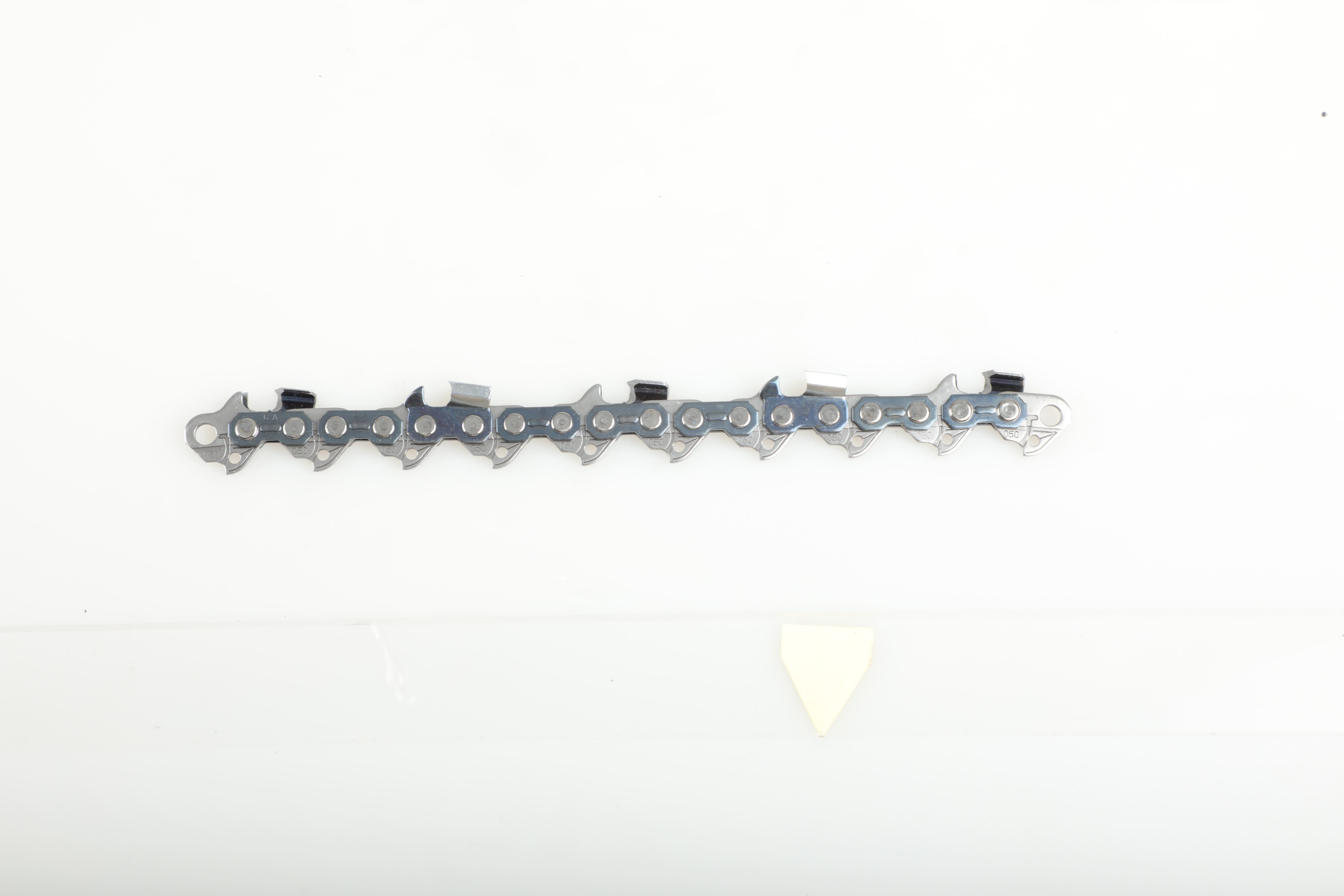
A factory audit should follow the product flow and test whether records, materials and finished chains remain connected.
Prepare the Chainsaw Chain Factory Audit Scope
Define the products and processes in scope before the visit. List the pitch, gauge, cutter forms, package types and special operations relevant to your planned order. Request a simple process map and the documents used to release production. This keeps the visit focused on the chains you may buy rather than unrelated factory capabilities.
Create an audit trail sample. Choose one recent order or a representative demonstration batch and plan to compare its specification, material records, process instructions, inspection results, labels and finished goods. The sample does not need to reveal another customer's confidential information; identifiers can be masked while the control flow remains visible.
Tell the factory which people should be available: production, quality, technical, warehouse and packaging representatives. A sales-only tour cannot answer process-control questions. Reserve time for an opening meeting, floor walk, record review and closing discussion.
| Audit block | Evidence | Typical risk |
|---|---|---|
| Documents | Approved specification and work instruction | Wrong revision used |
| Material | Identification and status | Mixed or unapproved input |
| Process | Settings and in-process checks | Variation not detected |
| Final inspection | Results linked to batch | Fit or label error shipped |
| Packaging | Approved artwork and carton marks | Correct chain in wrong package |
Audit Document and Revision Control
Start with the approved product definition. Check that pitch, gauge, drive-link count, cutter form and package code are visible in controlled documents. Ask how the factory prevents an old drawing, label or instruction from being used after a change. Compare the revision on the floor with the revision in the order file.
Select two or three records and follow their signatures or electronic approvals. The objective is not to count forms; it is to see whether authority is clear. A change to a fit-critical value or customer label should require review before production, while temporary handwritten changes should be controlled and later incorporated or removed.
Ask an operator how the current job is identified. The answer should match the displayed instruction and material. If staff rely on memory to distinguish similar loops, record a finding even when the sample on the line happens to be correct.
Inspect Material, Forming and Heat Treatment Controls
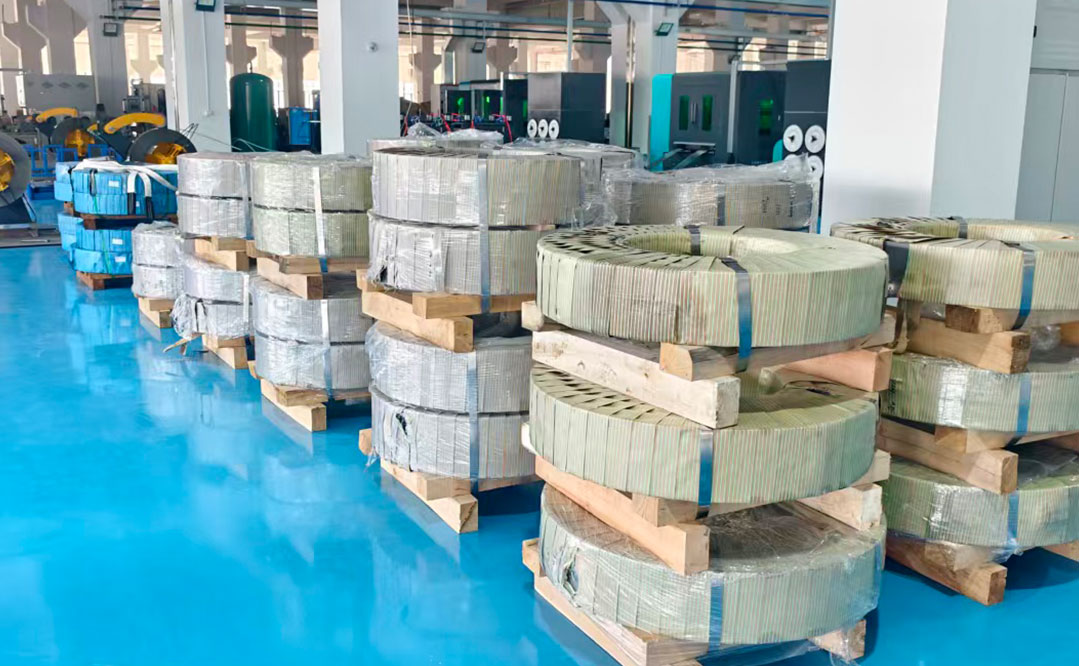
In the material area, check identification, storage condition and inspection status. Incoming material should not be confused with released material, and suspect stock should have a visible hold status. Trace a selected batch into the production record to confirm that the intended input was issued.
At forming operations, examine how tools and settings relate to component geometry. Ask how first-piece approval is performed after setup or changeover and how wear is detected. Sample an actual record rather than accepting an explanation alone. The important point is whether the process can identify drift before many components are produced.
Heat treatment requires disciplined control because a visually normal component can still have an incorrect process history. Review how recipes, time, temperature or other approved parameters are selected and recorded, how results are evaluated, and how material is separated when a cycle is interrupted or rejected.
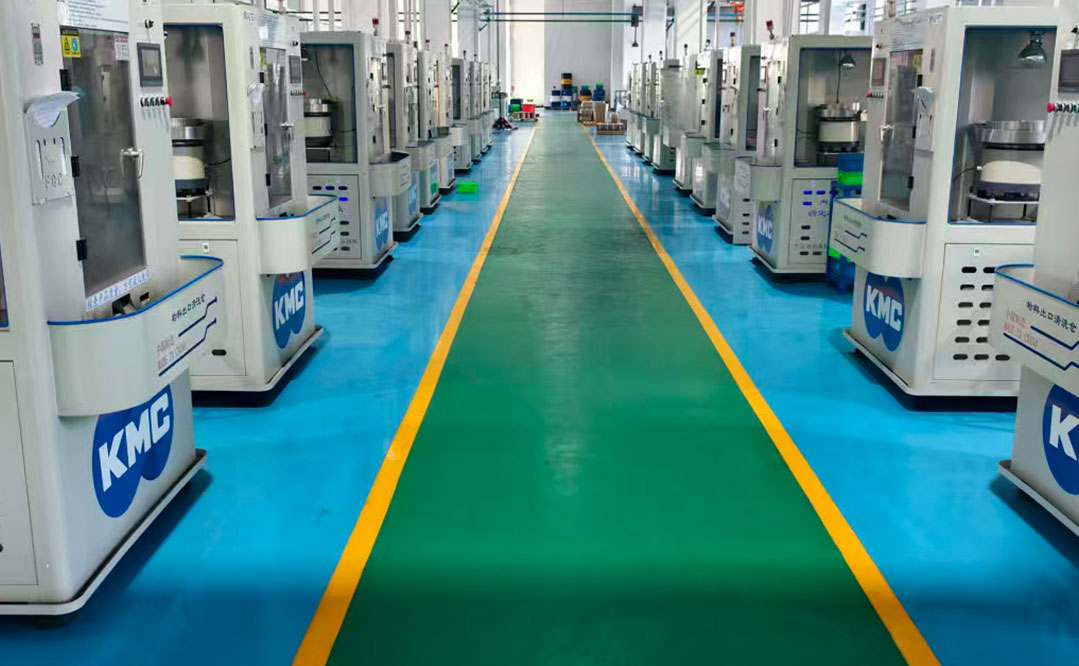
Audit the selected recipe, monitoring record, release decision and segregation of suspect material.
Observe Assembly and In-Process Inspection
Follow components into assembly and confirm that the job identity remains attached. Check setup approval, component feeding, rivet or joint control, lubrication and the method used to detect missing or mixed parts. Ask what stops the line when a check is outside its limit and who may restart it.
Review the frequency and sample size of in-process checks. A record should show the actual result or clear acceptance, not only an empty box filled at the end of the shift. Compare a recorded value with the current product where practical and permitted.
Changeovers deserve special attention because similar specifications can be mixed. Observe how remaining components, labels and work-in-process are cleared before the next job. If the factory produces .325, 3/8 and other categories, the clearance method should protect every line.
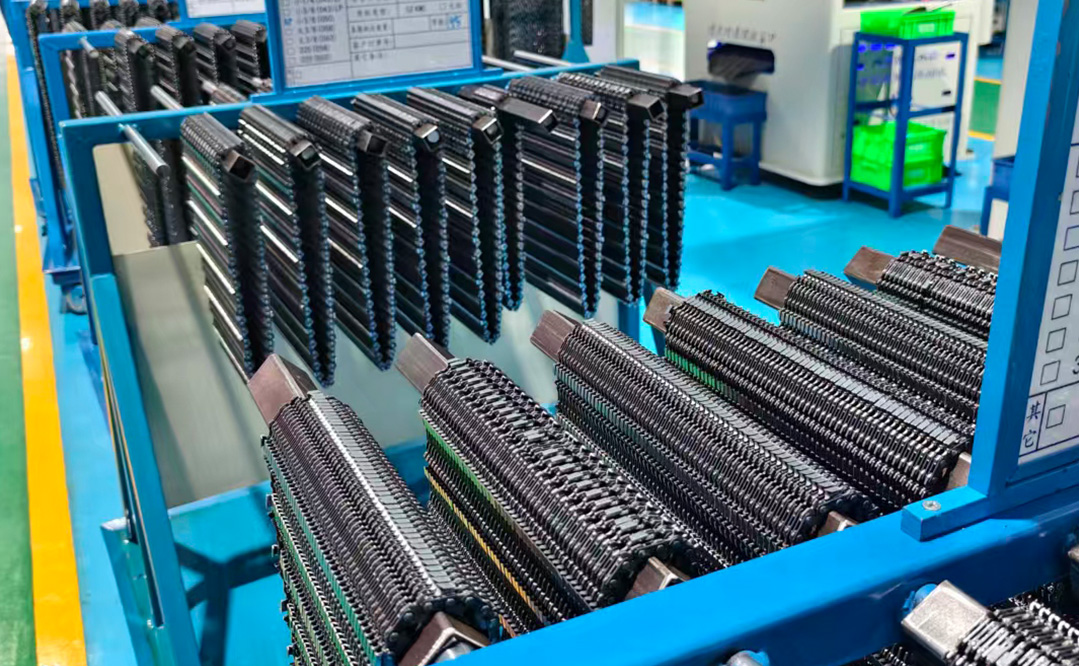
Test Final Inspection, Traceability and Containment
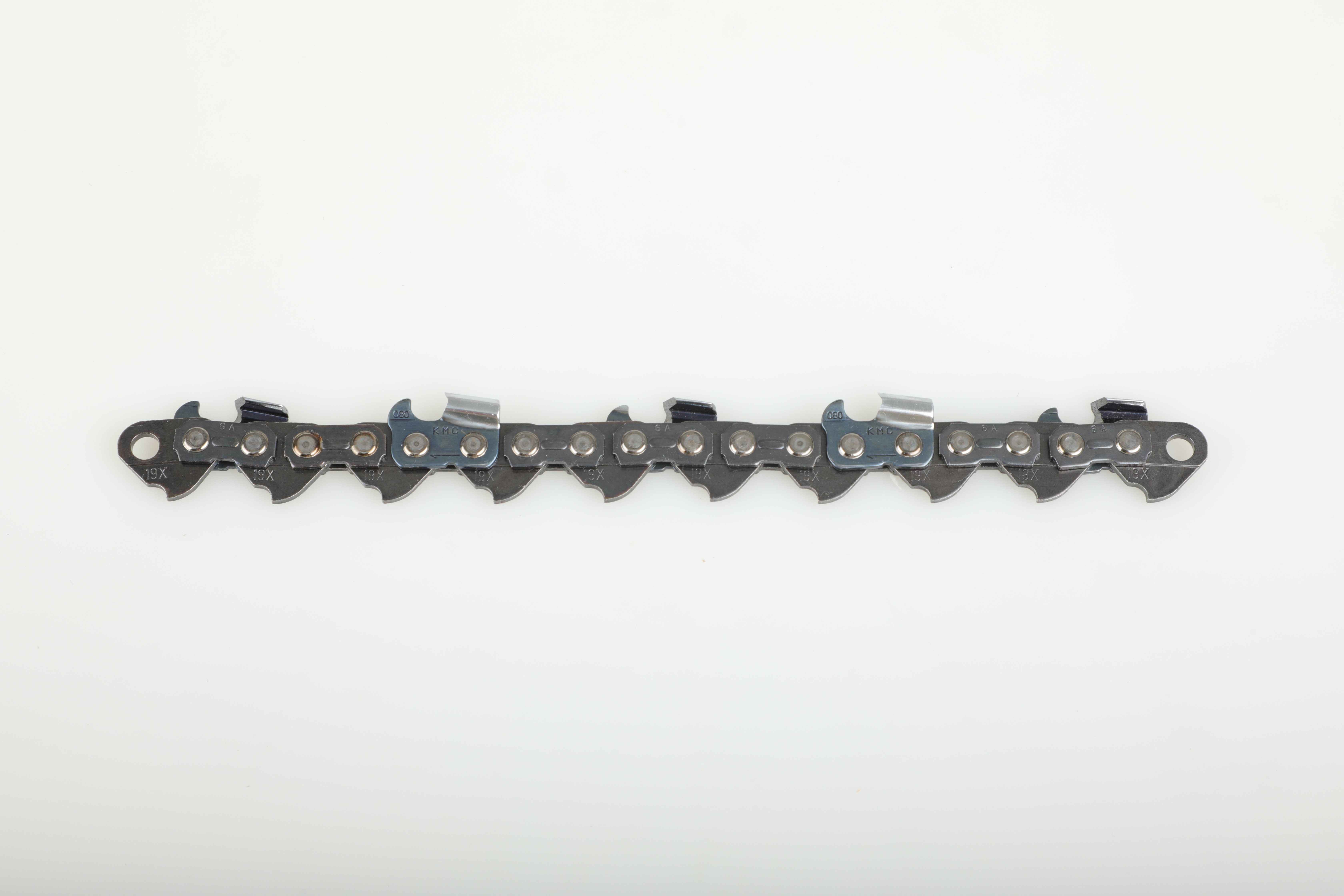
At final inspection, check how pitch, gauge, drive-link count, cutter form, assembly condition and product identity are verified. Select finished packages and compare them with the order and approved artwork. If a chain is measured or counted during the audit, record the method and result rather than relying on a visual impression.
Perform a traceability exercise. Choose a carton and ask the factory to identify its order, specification and relevant production records. Then choose a production record and identify the associated finished stock. Note the time required and any breaks in the link.
Ask the quality team to demonstrate control of nonconforming product. Rejected components and chains should be clearly identified and physically or systemically separated. Review how disposition is authorized and how corrective action is verified. A red tag alone is not sufficient if the material can return to production without review.
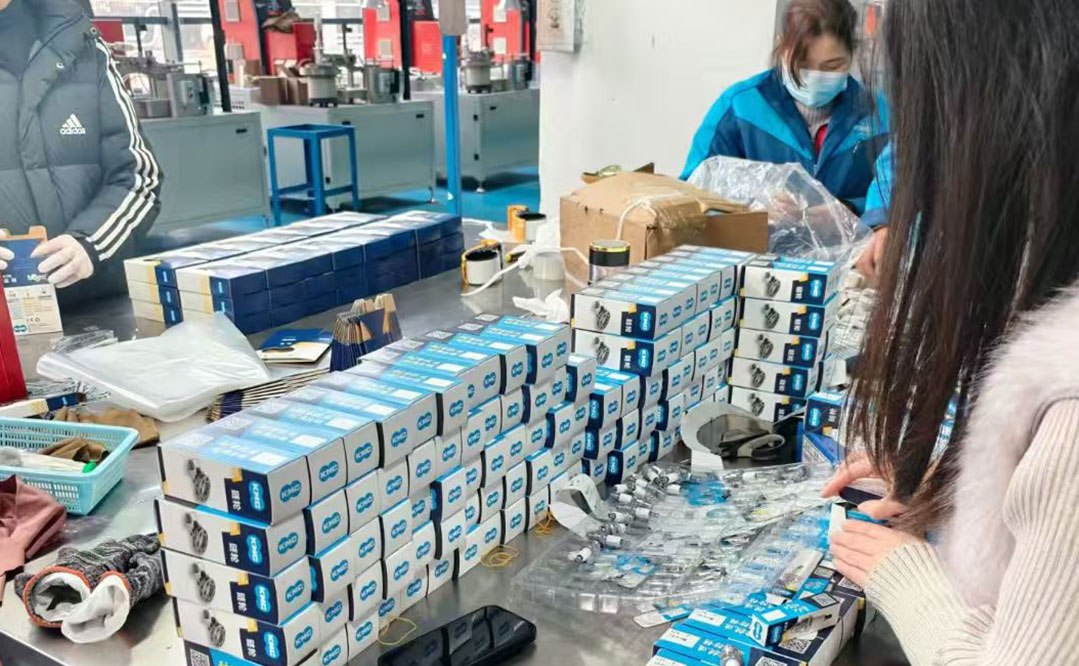
Audit Packaging and Close the Findings
Packaging control should connect the approved chain to the correct inner label, barcode and carton. Review how artwork is released, printed items are stored and obsolete versions are removed. Sample several similar specifications because packaging errors often occur when products look nearly identical.
At the closing meeting, classify findings by risk and describe the evidence. Avoid vague statements such as “quality needs improvement.” State the requirement, observation and possible consequence. Agree on an owner, planned correction, due date and the evidence required for closure.
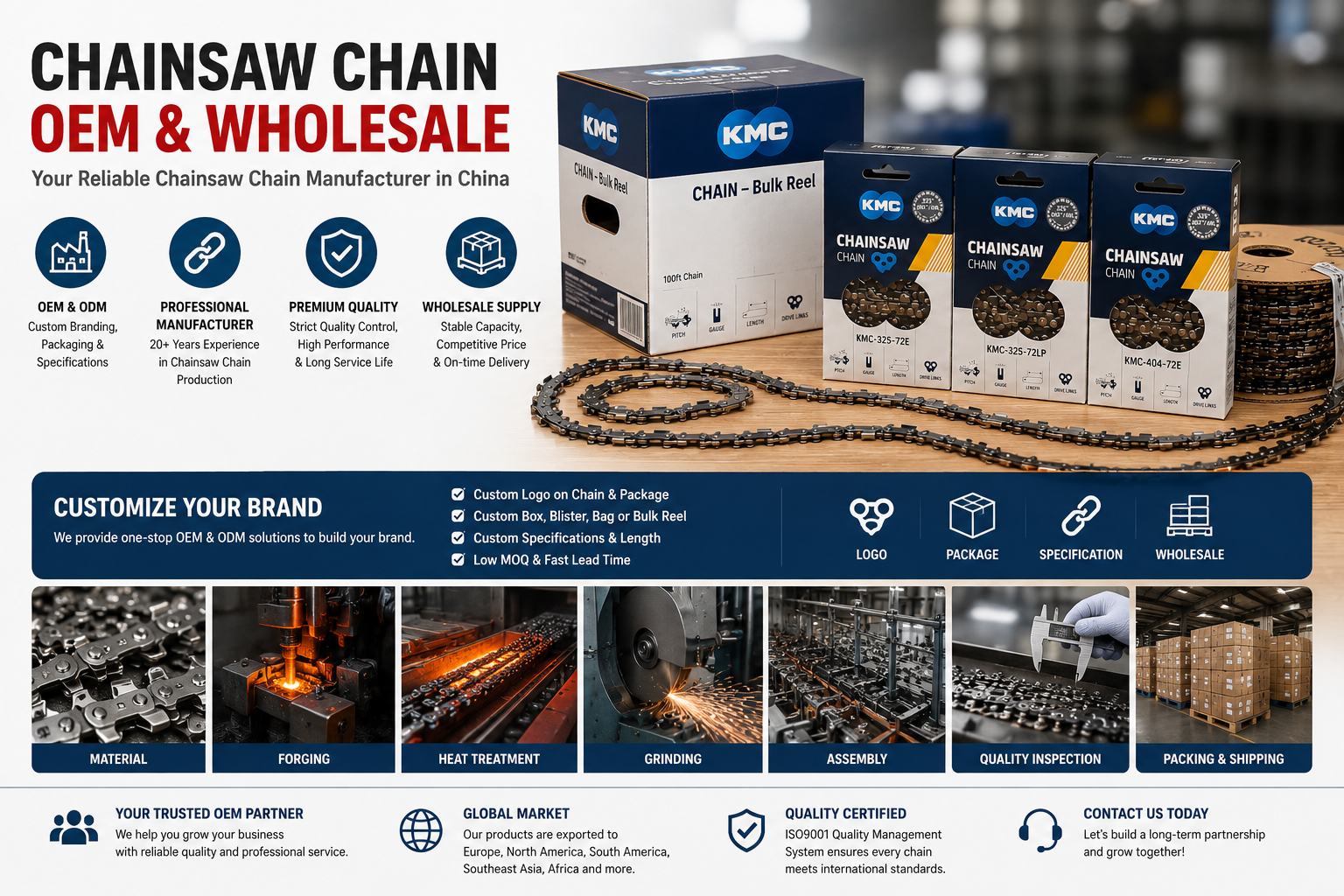
A factory audit is one part of supplier qualification, not a permanent guarantee. Follow up with sample approval, a representative trial order and periodic performance review. The KMC OEM page provides a starting view of manufacturing services, and buyers can send an audit-oriented inquiry through the contact page.
Closing checklist
- Confirm every finding with objective evidence.
- Separate immediate containment from long-term correction.
- Assign owners and realistic due dates.
- Define acceptable closure evidence.
- Recheck high-risk findings before production approval.
Frequently Asked Questions
How long should a chainsaw chain factory audit take?
The duration depends on scope, site size and the number of product families. Allow enough time to follow one order through documents, production, inspection and packaging, plus opening and closing meetings. A rushed machine tour is not a complete audit.
What is the most important traceability test?
Select a finished carton and trace it backward to the order, approved specification, material and process records. Then trace a production record forward to finished stock. Both directions should work without relying on one person's memory.
Should buyers audit every production record?
No. Use risk-based sampling. Choose current and completed orders, different chain categories, a changeover and at least one nonconforming case. Expand the sample when records disagree or controls appear inconsistent.
Does a passed factory audit replace sample approval?
No. The audit evaluates the management and process controls, while sample approval confirms the specific chain and package requested by the buyer. Both are needed before a new OEM configuration is released.
Conclusion
A chainsaw chain factory audit should prove that documents, materials, processes, inspections and packaging stay connected to the approved product. Follow real records, test traceability and observe containment rather than judging the site by presentation alone. Close findings with evidence and verify important corrections before placing a production order.