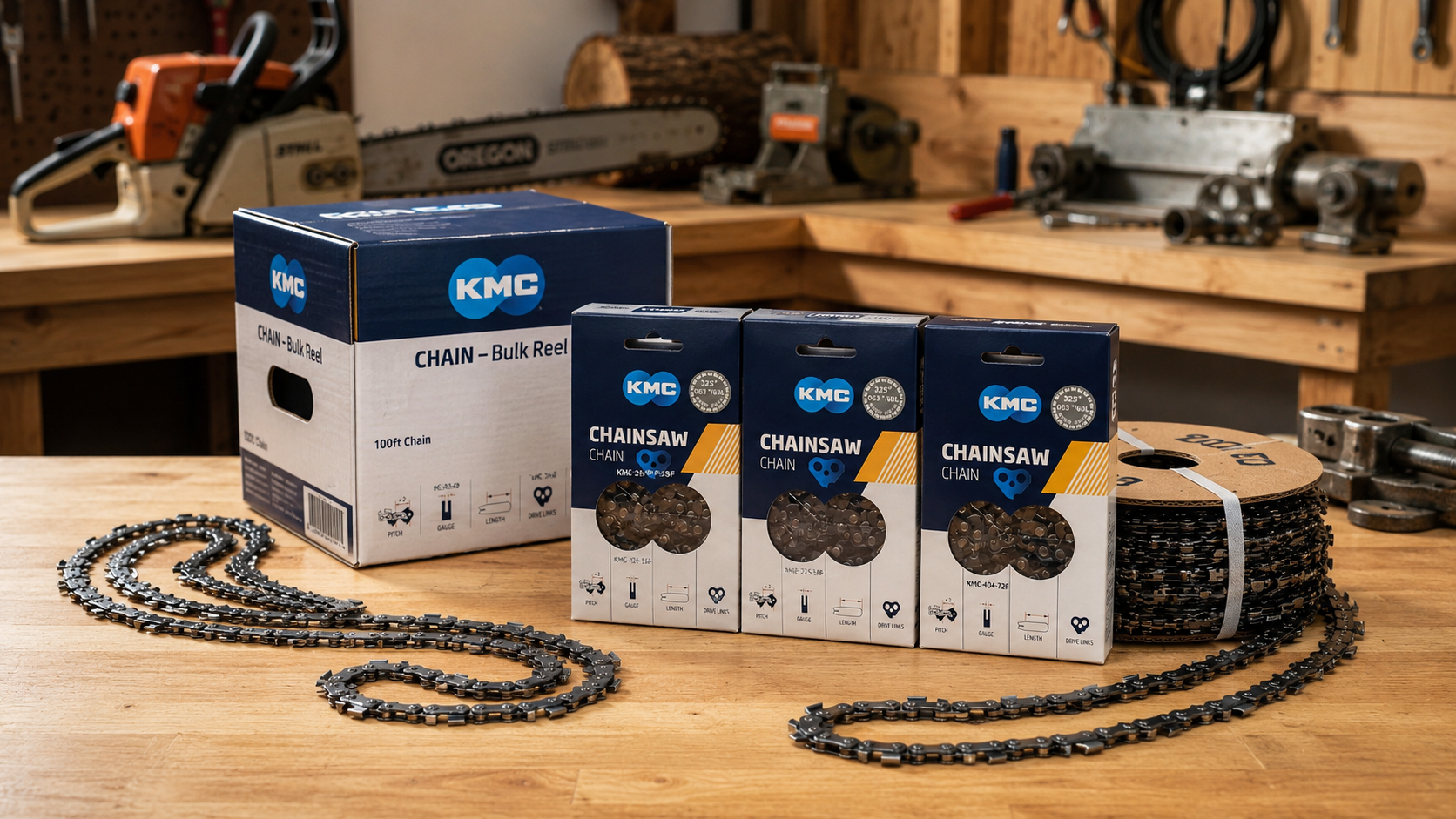
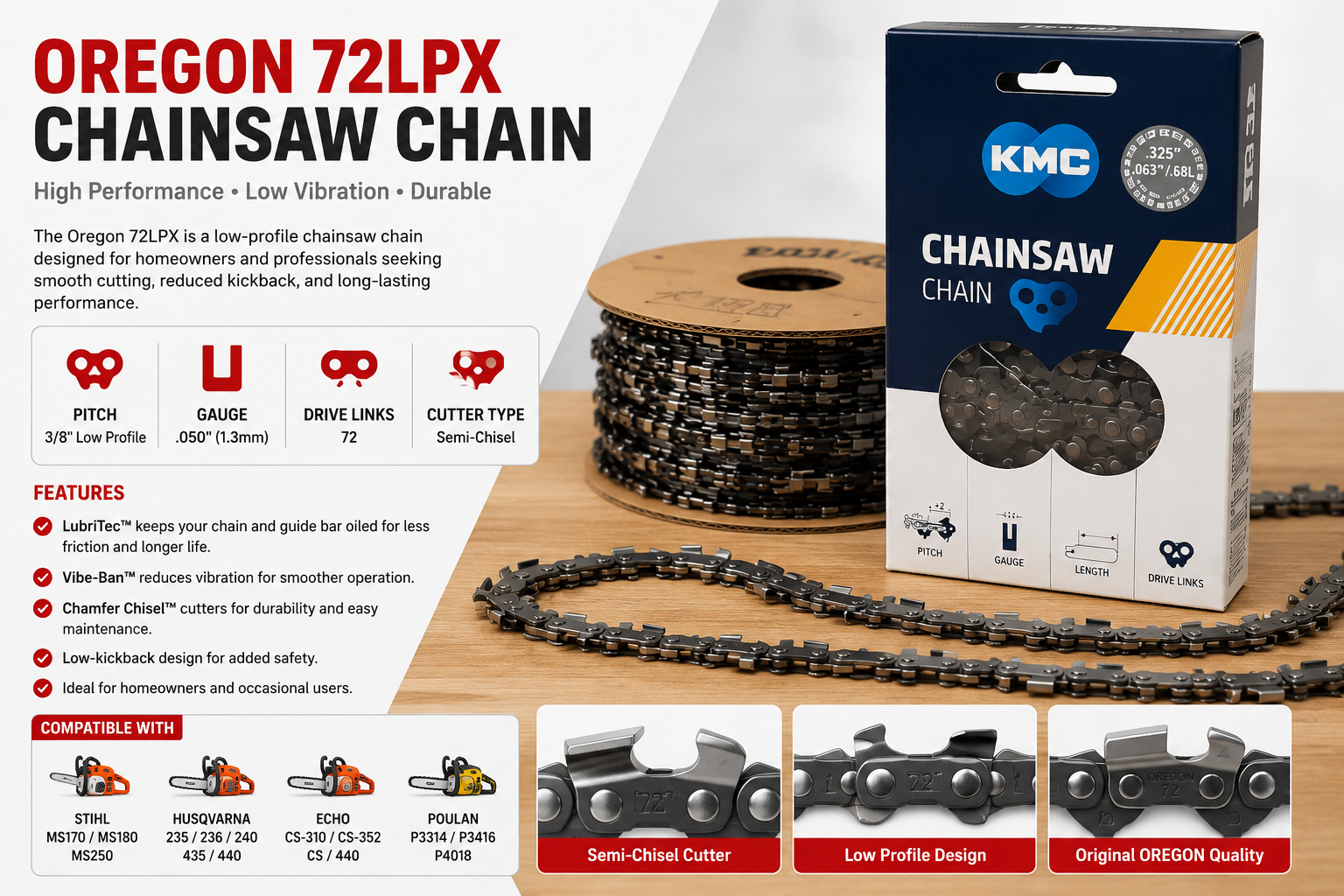
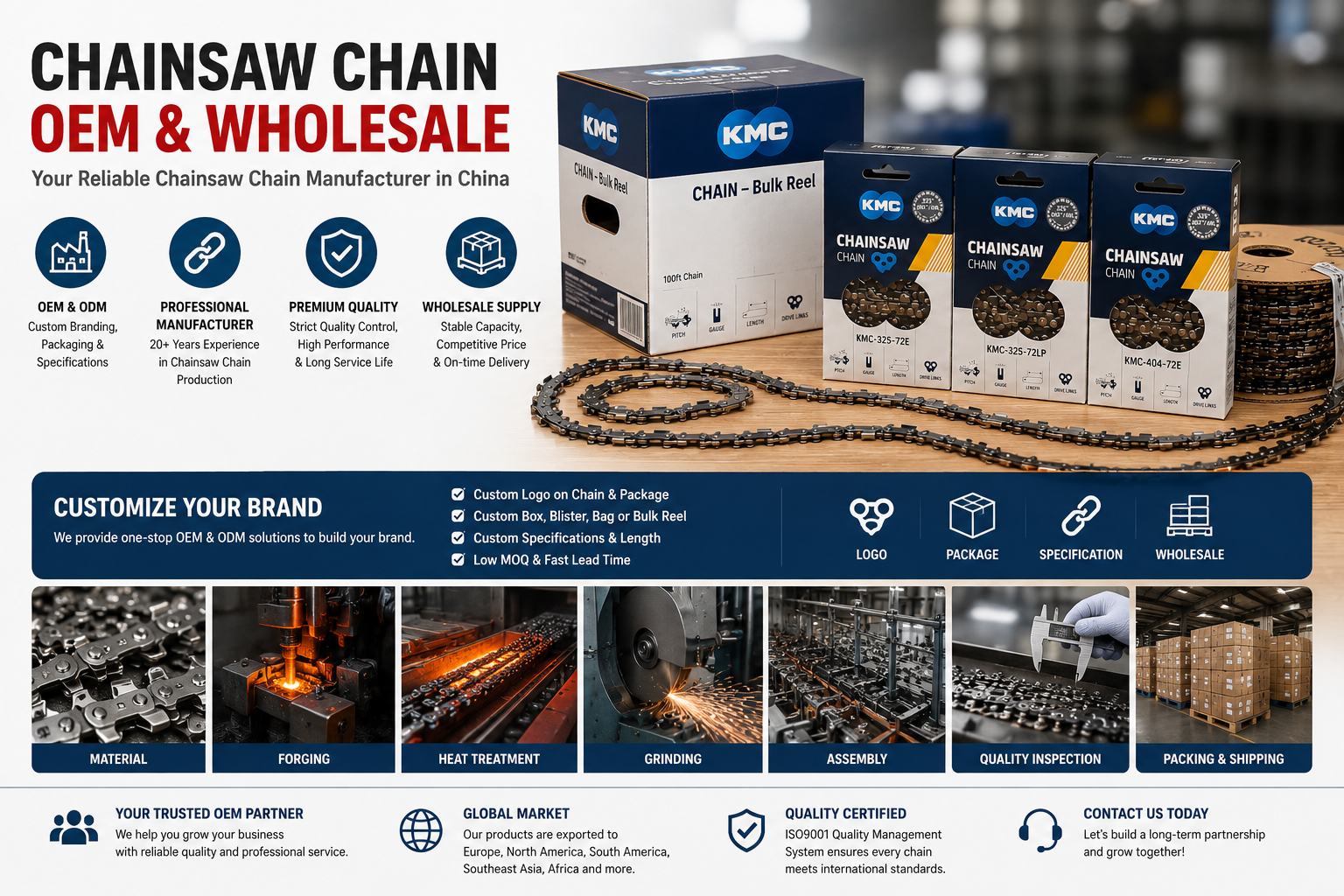
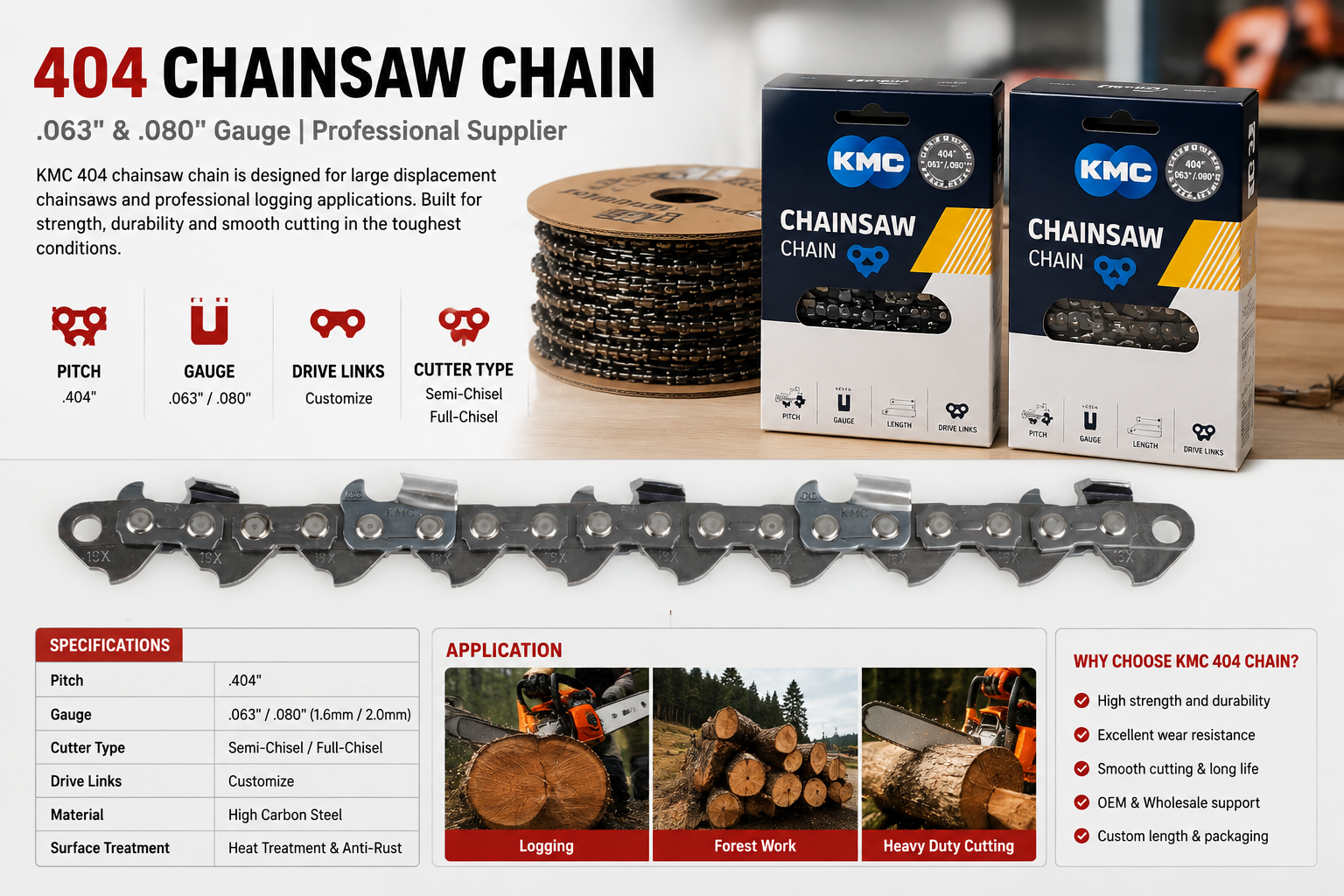
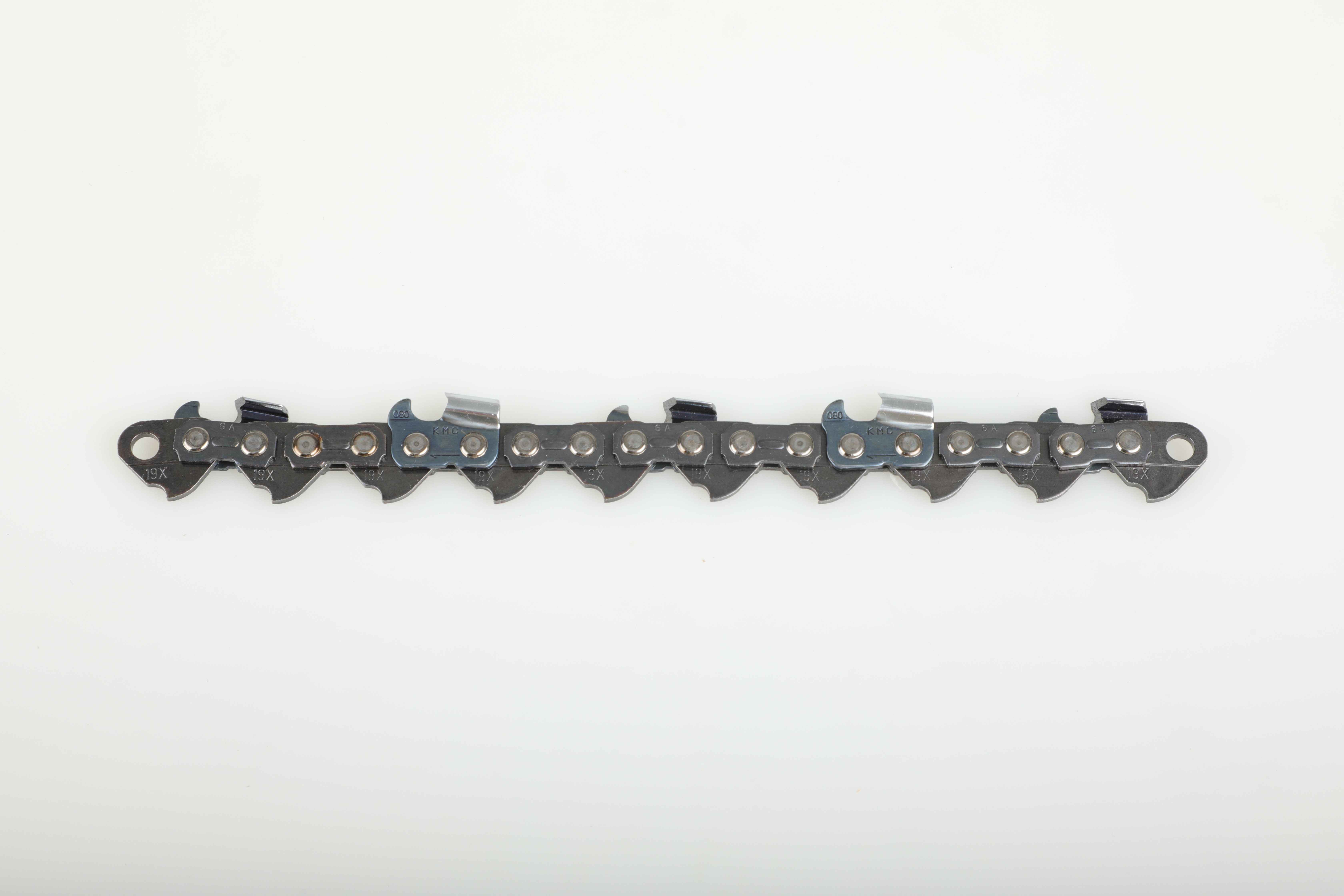
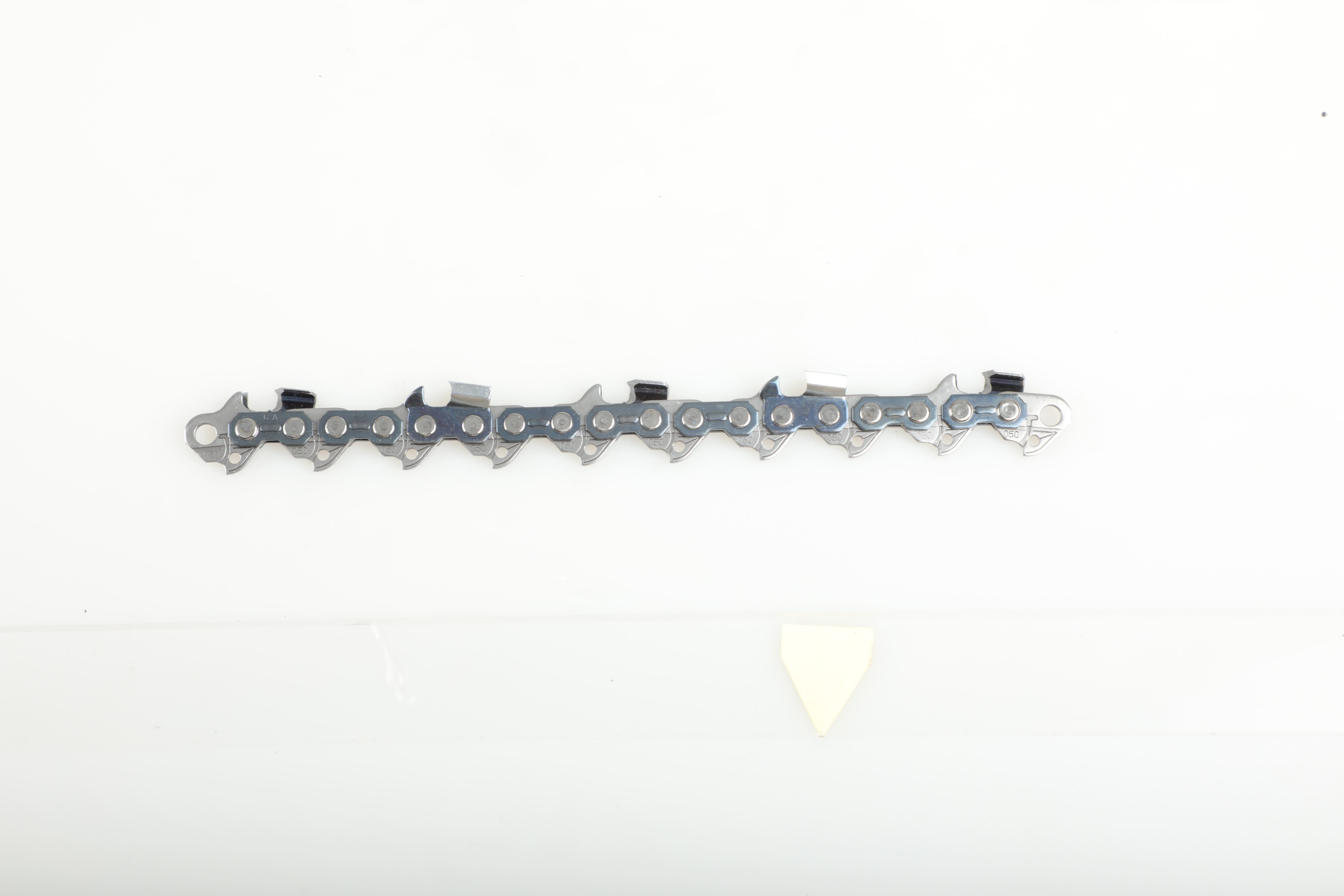
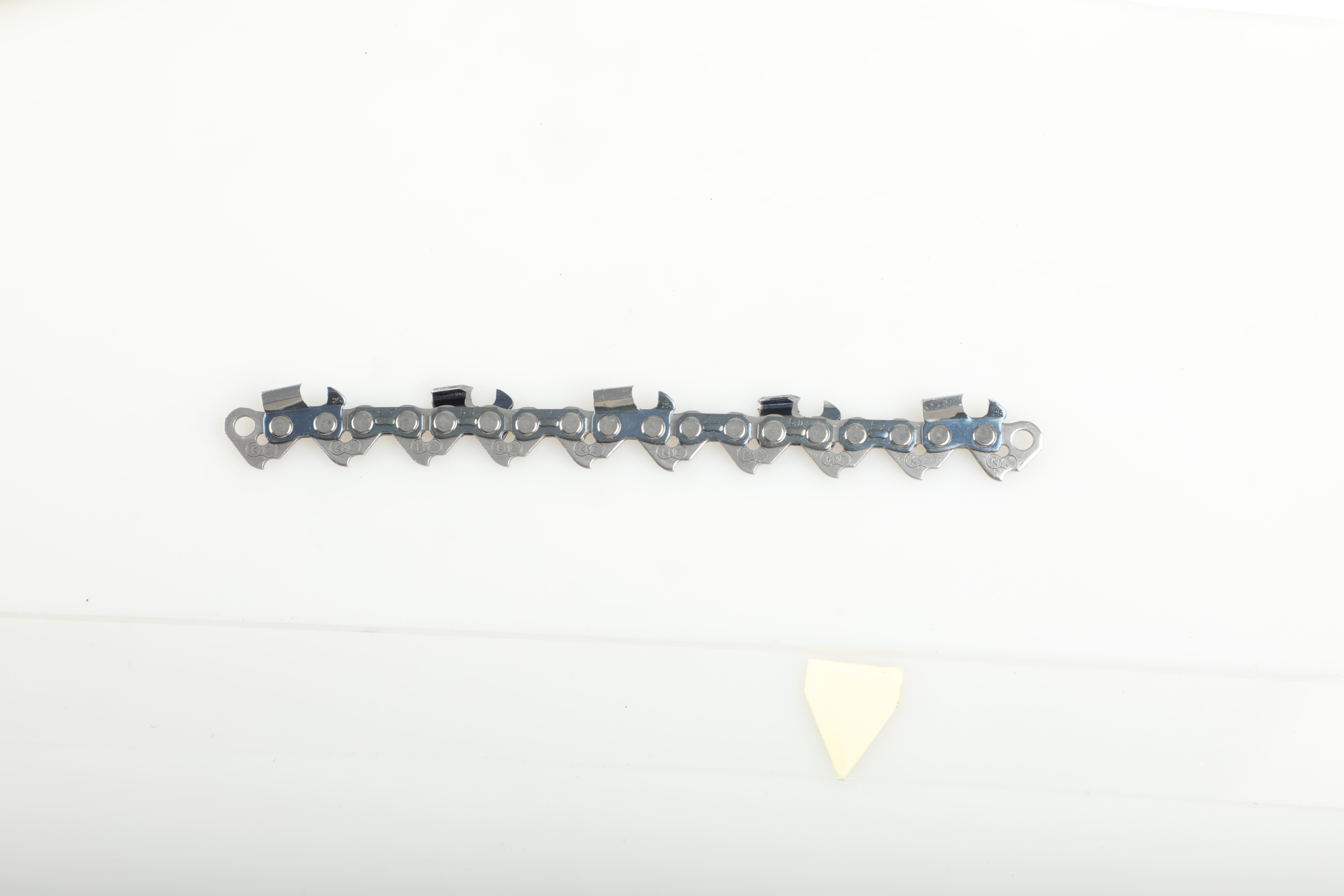
Quick answer: A saw chain supplier specification checklist should include pitch, gauge, exact drive-link count, cutter and chassis type, sequence, intended saw class, cutting conditions, product code, package, quantity and sample requirements. Each loop belongs on a separate line. The supplier should return the checklist with assumptions and exceptions before pricing is finalized.
Most replacement-chain mistakes are specification mistakes before they become manufacturing mistakes. A message that says only “16-inch chain” does not identify one loop. This checklist helps buyers prepare a complete request and gives suppliers a clear format for technical confirmation.
- Start with the drive-system measurement.
- Treat gauge as an independent mandatory field.
- Use the exact count, not bar length alone.
- Match construction to the intended job.
- Make commercial requirements part of the specification.
Table of Contents
- Record Pitch and Drive-System Compatibility
- State Gauge and Bar-Groove Fit
- Count Drive Links for Every Loop
- Choose Cutter, Chassis and Sequence
- Define Packaging, Label and Quantity
- Confirm Samples, Revisions and Order Release
- Frequently Asked Questions
- Conclusion
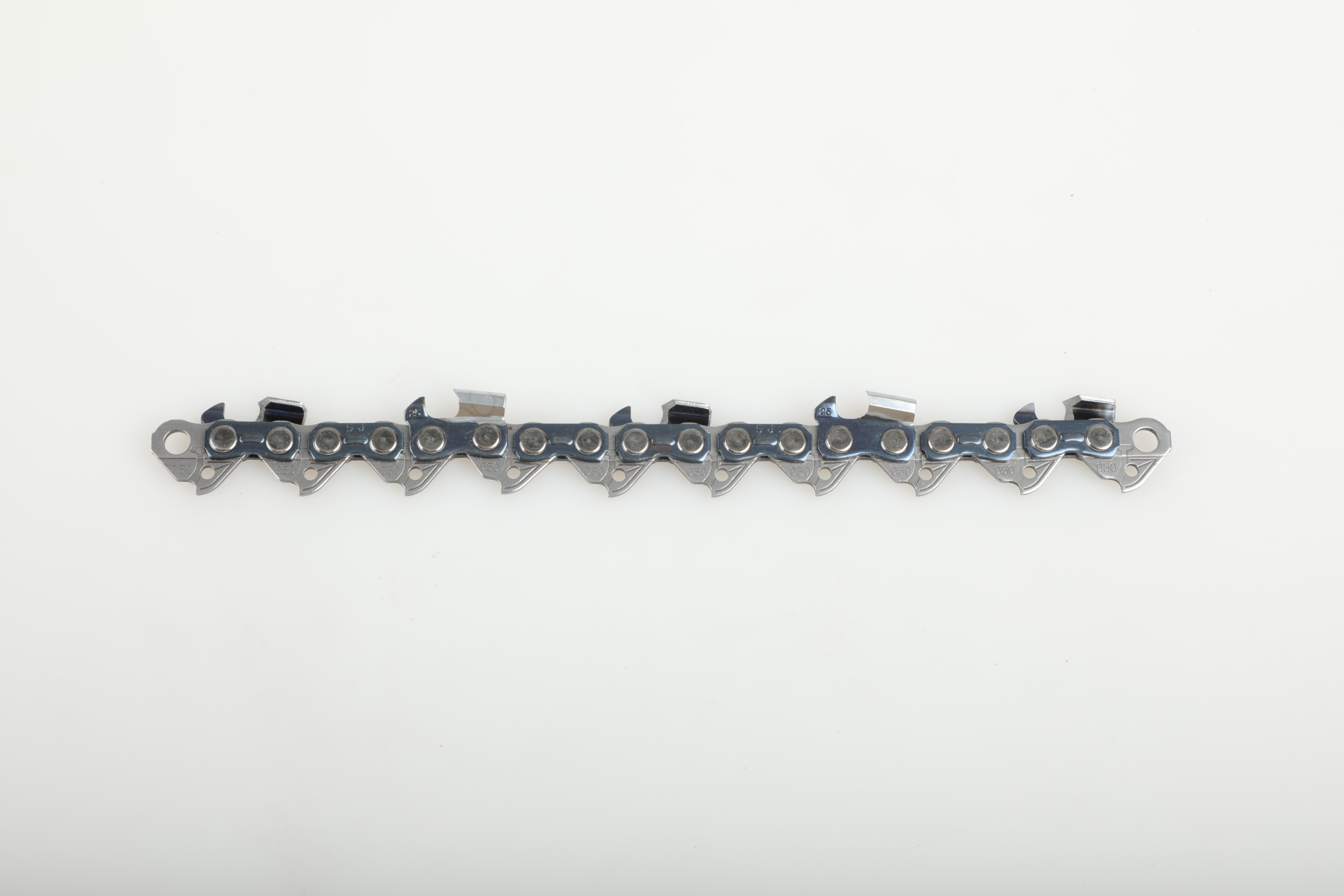
The supplier should receive one complete specification for every loop in the planned order.
Record Pitch and Drive-System Compatibility
Pitch must match the relevant sprocket and bar system and should be stated exactly. For purchasing teams, repair-chain distributors and private brands, this point should be connected to a written product or order requirement rather than left as a general preference. The response is easier to compare when every candidate uses the same terminology and confirms any exception before work begins.
The practical action is to read equipment and bar markings and use the pitch guide when clarification is needed Keep the result with the quotation, sample or order record so later decisions use the approved version. When several chain configurations are involved, separate them by pitch, gauge and drive-link count instead of combining different loops in one description.
A common failure is confusing 3/8 low profile with standard 3/8 or relying on a product nickname The guardrail is to write the precise category and require supplier confirmation This does not eliminate every supply or operating risk, but it makes the decision visible, reviewable and easier to correct before a full order is packed or used.
| Decision point | What to confirm | Why it matters |
|---|---|---|
| Specification | Pitch, gauge, drive links and chain form | Controls physical fit |
| Sample | Measured loop and approved identity | Creates the release reference |
| Quality | Inspection and batch record | Supports repeat consistency |
| Packaging | Product code, proof and carton mark | Prevents mixed goods |
| Change control | Written approval before substitution | Protects repeat orders |
State Gauge and Bar-Groove Fit
Gauge describes the drive-link thickness intended for the bar groove and cannot be inferred from pitch. For purchasing teams, repair-chain distributors and private brands, this point should be connected to a written product or order requirement rather than left as a general preference. The response is easier to compare when every candidate uses the same terminology and confirms any exception before work begins.
The practical action is to record both inch and millimeter values when available and compare with the guide bar Keep the result with the quotation, sample or order record so later decisions use the approved version. When several chain configurations are involved, separate them by pitch, gauge and drive-link count instead of combining different loops in one description.
A common failure is ordering the correct pitch with a gauge that does not match the bar The guardrail is to block quotation release until gauge is explicitly confirmed This does not eliminate every supply or operating risk, but it makes the decision visible, reviewable and easier to correct before a full order is packed or used.
Count Drive Links for Every Loop
Drive-link count determines loop length within the selected pitch and saw arrangement. For purchasing teams, repair-chain distributors and private brands, this point should be connected to a written product or order requirement rather than left as a general preference. The response is easier to compare when every candidate uses the same terminology and confirms any exception before work begins.
The practical action is to count the links on an existing correct loop or use verified equipment information Keep the result with the quotation, sample or order record so later decisions use the approved version. When several chain configurations are involved, separate them by pitch, gauge and drive-link count instead of combining different loops in one description.
A common failure is assuming all bars of the same nominal length use the same count The guardrail is to assign a separate SKU to every count and confirm it on the package This does not eliminate every supply or operating risk, but it makes the decision visible, reviewable and easier to correct before a full order is packed or used.
Choose Cutter, Chassis and Sequence
Cutter profile, low-profile features and sequence affect use, maintenance and product identification. For purchasing teams, repair-chain distributors and private brands, this point should be connected to a written product or order requirement rather than left as a general preference. The response is easier to compare when every candidate uses the same terminology and confirms any exception before work begins.
The practical action is to state the approved construction and avoid asking the supplier to choose without application details Keep the result with the quotation, sample or order record so later decisions use the approved version. When several chain configurations are involved, separate them by pitch, gauge and drive-link count instead of combining different loops in one description.
A common failure is combining physical fit and cutting style into one vague term The guardrail is to keep fit fields separate from performance and maintenance preferences This does not eliminate every supply or operating risk, but it makes the decision visible, reviewable and easier to correct before a full order is packed or used.
Define Packaging, Label and Quantity
A loop, retail pack and workshop supply format require different labels and carton planning. For purchasing teams, repair-chain distributors and private brands, this point should be connected to a written product or order requirement rather than left as a general preference. The response is easier to compare when every candidate uses the same terminology and confirms any exception before work begins.
The practical action is to state inner pack, barcode, carton quantity, languages and quantity by SKU Keep the result with the quotation, sample or order record so later decisions use the approved version. When several chain configurations are involved, separate them by pitch, gauge and drive-link count instead of combining different loops in one description.
A common failure is receiving a correct chain that cannot be identified or sold in the planned channel The guardrail is to approve a proof and carton mark before volume packing This does not eliminate every supply or operating risk, but it makes the decision visible, reviewable and easier to correct before a full order is packed or used.
Confirm Samples, Revisions and Order Release
The completed checklist should govern quotation, samples, purchase order and repeat order. For purchasing teams, repair-chain distributors and private brands, this point should be connected to a written product or order requirement rather than left as a general preference. The response is easier to compare when every candidate uses the same terminology and confirms any exception before work begins.
The practical action is to measure samples, record approval and issue a final revision with written exceptions Keep the result with the quotation, sample or order record so later decisions use the approved version. When several chain configurations are involved, separate them by pitch, gauge and drive-link count instead of combining different loops in one description.
A common failure is letting email changes replace the controlled matrix without updating later documents The guardrail is to use revision numbers and require resubmission after fit-critical changes This does not eliminate every supply or operating risk, but it makes the decision visible, reviewable and easier to correct before a full order is packed or used.
Frequently Asked Questions
Is bar length enough for a saw chain quotation?
No. Bar length does not uniquely identify pitch, gauge or drive-link count. Provide all three fit values plus cutter or chassis type and package requirements for every loop.
Should inch and millimeter gauge values both be listed?
Listing both can reduce unit confusion when the values are verified equivalents. The bar and chain must still use the same intended gauge, and the supplier should confirm the value used for production.
What should happen when a supplier proposes an alternative?
The supplier should state the exact difference and reason. The buyer then reviews fit, use, package and inventory impact. No substitution should enter samples or production without written approval.
Where can I send a specification checklist?
Submit pitch, gauge, drive-link count, quantities and package details through the KMC contact page. Product categories are available from the products section.
Conclusion
A saw chain supplier specification checklist makes the purchasing request measurable. Record pitch, gauge, drive links, construction, packaging and quantity separately, approve samples against the same revision and control every alternative. That discipline improves quotation accuracy and protects repeat orders.