Quick answer: Saw chain manufacturer quality control should verify incoming materials, component geometry, process settings, assembly, lubrication, pitch, gauge, drive-link count, cutter condition, package identity and batch traceability. The buyer should ask where each risk is checked, how results are recorded and what prevents rejected material from returning to normal production.
A final visual check cannot control every risk in a saw chain. Some errors begin with the wrong input, process revision or mixed component and may not be obvious after packing. This guide shows how buyers can map quality controls to the product and review evidence without relying on an undefined claim of “100% quality.”
- Release only identified and accepted inputs.
- Tie process settings to an approved route.
- Detect variation before a large batch is completed.
- Inspect the values that determine replacement fit.
- Connect cartons, records and corrective action.
Table of Contents
- Control Incoming Materials and Components
- Monitor Forming and Heat Treatment
- Check Assembly and In-Process Conditions
- Verify Final Fit and Product Identity
- Maintain Batch Traceability and Containment
- Review Corrective Action and Continuous Control
- Frequently Asked Questions
- Conclusion
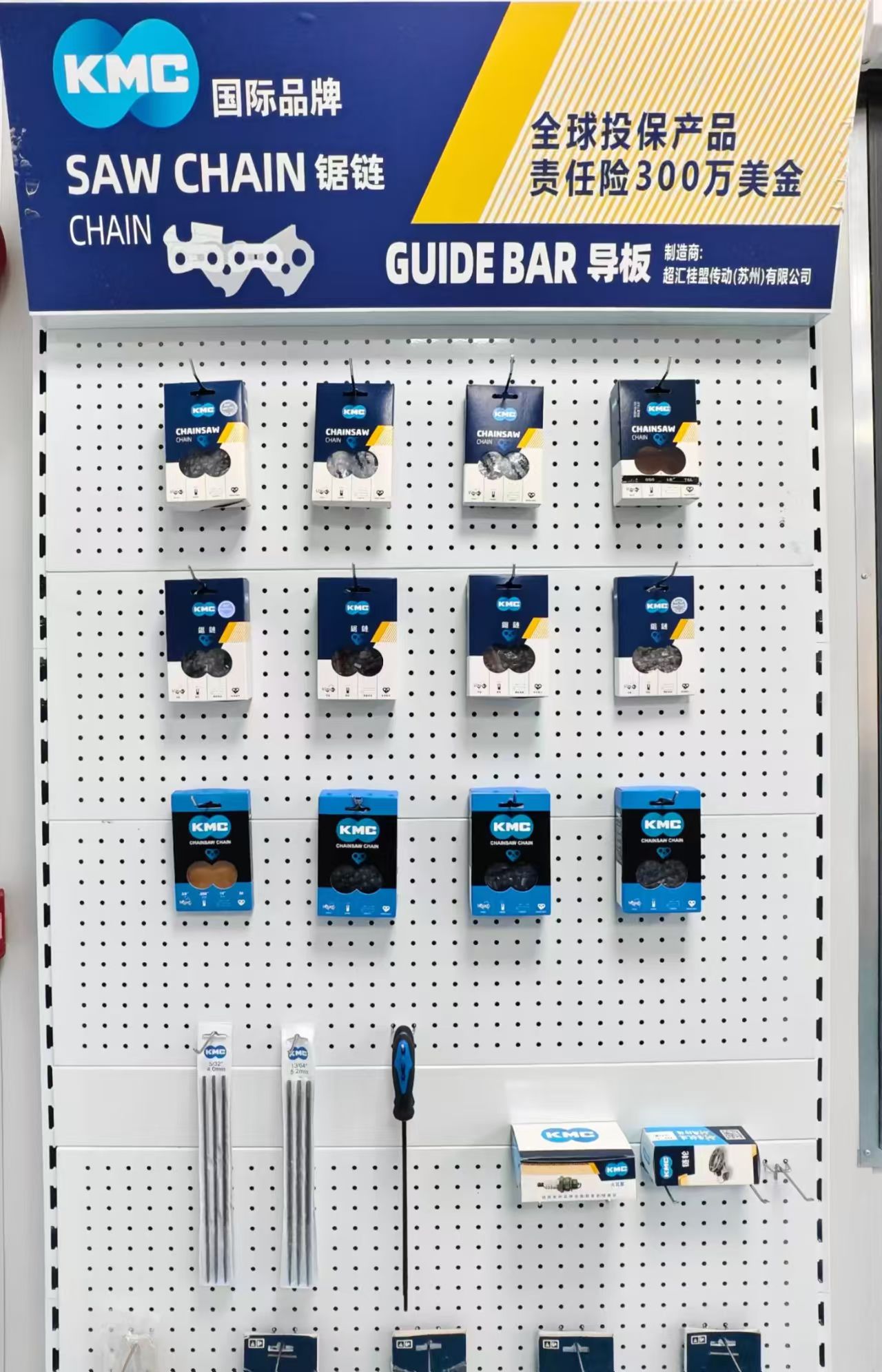
Quality control should follow the chain’s fit, assembly, cutting and identification risks throughout production.
Control Incoming Materials and Components
Incoming steel and purchased components should carry identity, inspection status and batch information. For buyers and quality engineers reviewing a saw chain source, this point should be connected to a written product or order requirement rather than left as a general preference. The response is easier to compare when every candidate uses the same terminology and confirms any exception before work begins.
The practical action is to sample receiving records and follow one material batch into production Keep the result with the quotation, sample or order record so later decisions use the approved version. When several chain configurations are involved, separate them by pitch, gauge and drive-link count instead of combining different loops in one description.
A common failure is mixing released, uninspected and rejected inputs in the same location The guardrail is to use status labels and physical or system separation This does not eliminate every supply or operating risk, but it makes the decision visible, reviewable and easier to correct before a full order is packed or used.
| Decision point | What to confirm | Why it matters |
|---|---|---|
| Specification | Pitch, gauge, drive links and chain form | Controls physical fit |
| Sample | Measured loop and approved identity | Creates the release reference |
| Quality | Inspection and batch record | Supports repeat consistency |
| Packaging | Product code, proof and carton mark | Prevents mixed goods |
| Change control | Written approval before substitution | Protects repeat orders |
Monitor Forming and Heat Treatment
Component geometry and treatment history affect later assembly and service behavior. For buyers and quality engineers reviewing a saw chain source, this point should be connected to a written product or order requirement rather than left as a general preference. The response is easier to compare when every candidate uses the same terminology and confirms any exception before work begins.
The practical action is to review setup approval, monitoring records and the response to interrupted or abnormal cycles Keep the result with the quotation, sample or order record so later decisions use the approved version. When several chain configurations are involved, separate them by pitch, gauge and drive-link count instead of combining different loops in one description.
A common failure is accepting a process name without evidence that limits and results are controlled The guardrail is to sample real records and verify who can release the batch This does not eliminate every supply or operating risk, but it makes the decision visible, reviewable and easier to correct before a full order is packed or used.
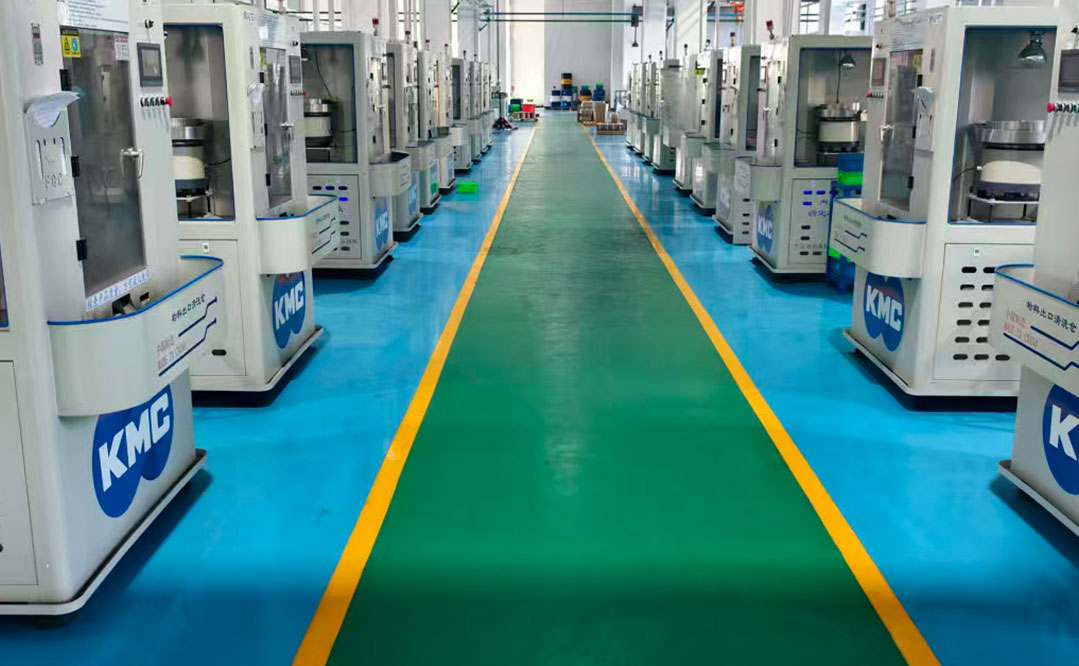
Check Assembly and In-Process Conditions
Assembly checks should cover correct components, joint condition, sequence, lubrication and product identity. For buyers and quality engineers reviewing a saw chain source, this point should be connected to a written product or order requirement rather than left as a general preference. The response is easier to compare when every candidate uses the same terminology and confirms any exception before work begins.
The practical action is to observe first-piece approval and sample in-process records after a changeover Keep the result with the quotation, sample or order record so later decisions use the approved version. When several chain configurations are involved, separate them by pitch, gauge and drive-link count instead of combining different loops in one description.
A common failure is recording only pass marks at the end of a shift or relying on operator memory The guardrail is to set frequencies, actual result fields and clear stop or escalation rules This does not eliminate every supply or operating risk, but it makes the decision visible, reviewable and easier to correct before a full order is packed or used.
Verify Final Fit and Product Identity
Final checks should confirm pitch, gauge, drive-link count, cutter form and package code. For buyers and quality engineers reviewing a saw chain source, this point should be connected to a written product or order requirement rather than left as a general preference. The response is easier to compare when every candidate uses the same terminology and confirms any exception before work begins.
The practical action is to compare sampled loops and labels with the order and approved reference Keep the result with the quotation, sample or order record so later decisions use the approved version. When several chain configurations are involved, separate them by pitch, gauge and drive-link count instead of combining different loops in one description.
A common failure is checking appearance but missing a wrong count or package The guardrail is to use count fixtures, measurement methods and independent label verification This does not eliminate every supply or operating risk, but it makes the decision visible, reviewable and easier to correct before a full order is packed or used.
Maintain Batch Traceability and Containment
Traceability should support both backward and forward searches across order and production information. For buyers and quality engineers reviewing a saw chain source, this point should be connected to a written product or order requirement rather than left as a general preference. The response is easier to compare when every candidate uses the same terminology and confirms any exception before work begins.
The practical action is to perform a trace exercise and review how suspect finished stock is held Keep the result with the quotation, sample or order record so later decisions use the approved version. When several chain configurations are involved, separate them by pitch, gauge and drive-link count instead of combining different loops in one description.
A common failure is treating all inventory as one pool when an issue is reported The guardrail is to apply batch codes and define a containment decision path This does not eliminate every supply or operating risk, but it makes the decision visible, reviewable and easier to correct before a full order is packed or used.
Review Corrective Action and Continuous Control
A corrective action should describe the issue, containment, cause, action, owner and effectiveness check. For buyers and quality engineers reviewing a saw chain source, this point should be connected to a written product or order requirement rather than left as a general preference. The response is easier to compare when every candidate uses the same terminology and confirms any exception before work begins.
The practical action is to sample a completed case and verify that the action changed a document, process or training record Keep the result with the quotation, sample or order record so later decisions use the approved version. When several chain configurations are involved, separate them by pitch, gauge and drive-link count instead of combining different loops in one description.
A common failure is replacing affected goods without preventing recurrence The guardrail is to require evidence of implementation and later effectiveness review This does not eliminate every supply or operating risk, but it makes the decision visible, reviewable and easier to correct before a full order is packed or used.
Frequently Asked Questions
What are the most important final saw chain checks?
Verify pitch, gauge, drive-link count, cutter or chassis form, assembly condition, lubrication, product code and package identity. The exact inspection plan should follow the approved specification and risks of the product.
Is final inspection enough?
No. Final inspection cannot reliably detect every material or process problem. Incoming control, setup approval, heat-treatment monitoring, in-process checks and line clearance prevent defects or mixing earlier in the flow.
How does a buyer test traceability?
Select a finished carton and trace it to the order and production records, then select a production batch and trace it forward to finished stock. Record gaps, time required and dependence on personal memory.
Where can buyers discuss KMC quality requirements?
Use the contact page to send the chain matrix and required inspection evidence. The OEM page provides supporting information about manufacturing services.
Conclusion
Saw chain manufacturer quality control is a connected system, not one final check. Review inputs, process settings, assembly, fit measurements, packaging, traceability and corrective action against a real order. Buyers who map evidence to product risk can make a more informed sample and supplier decision.