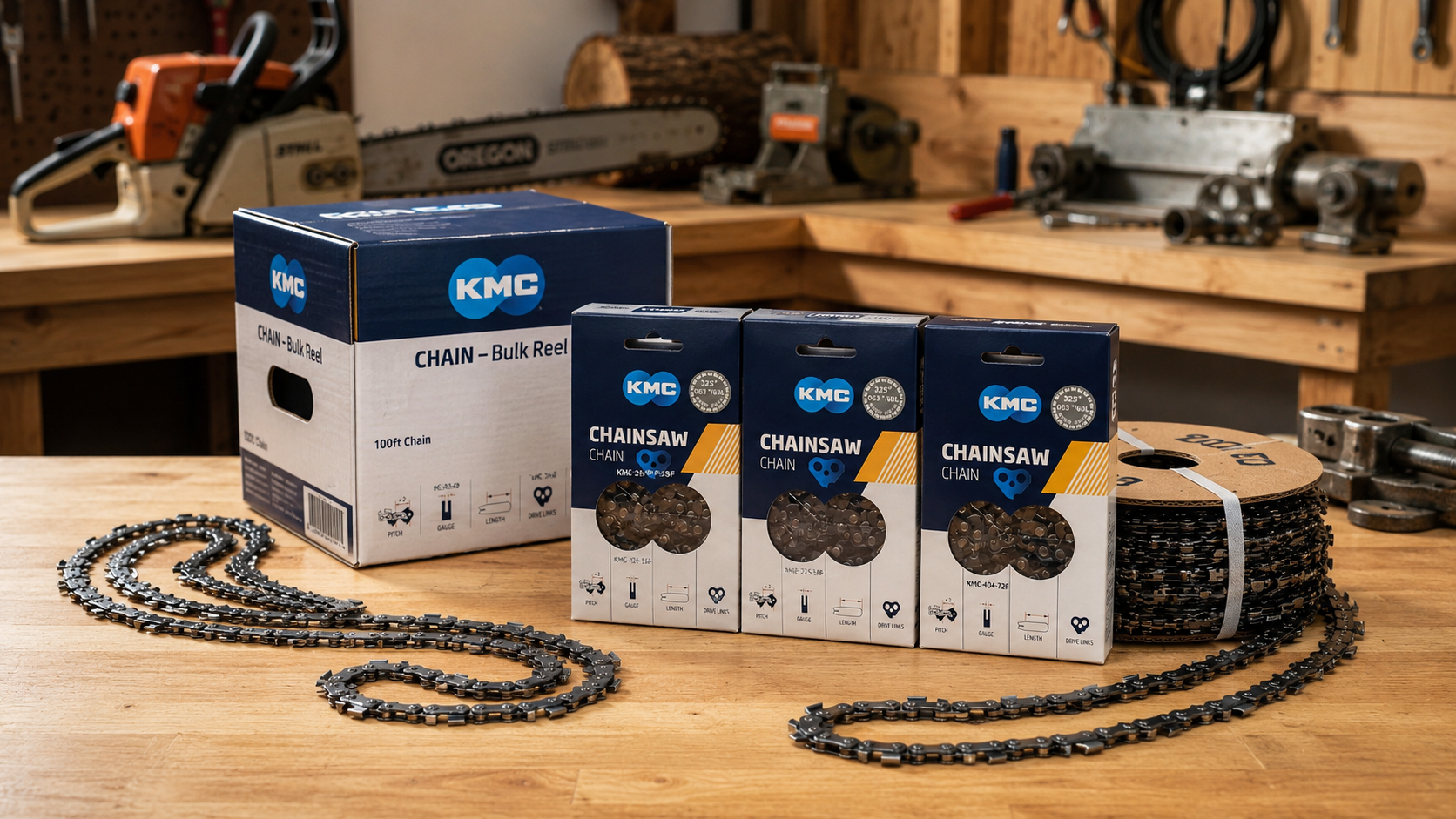
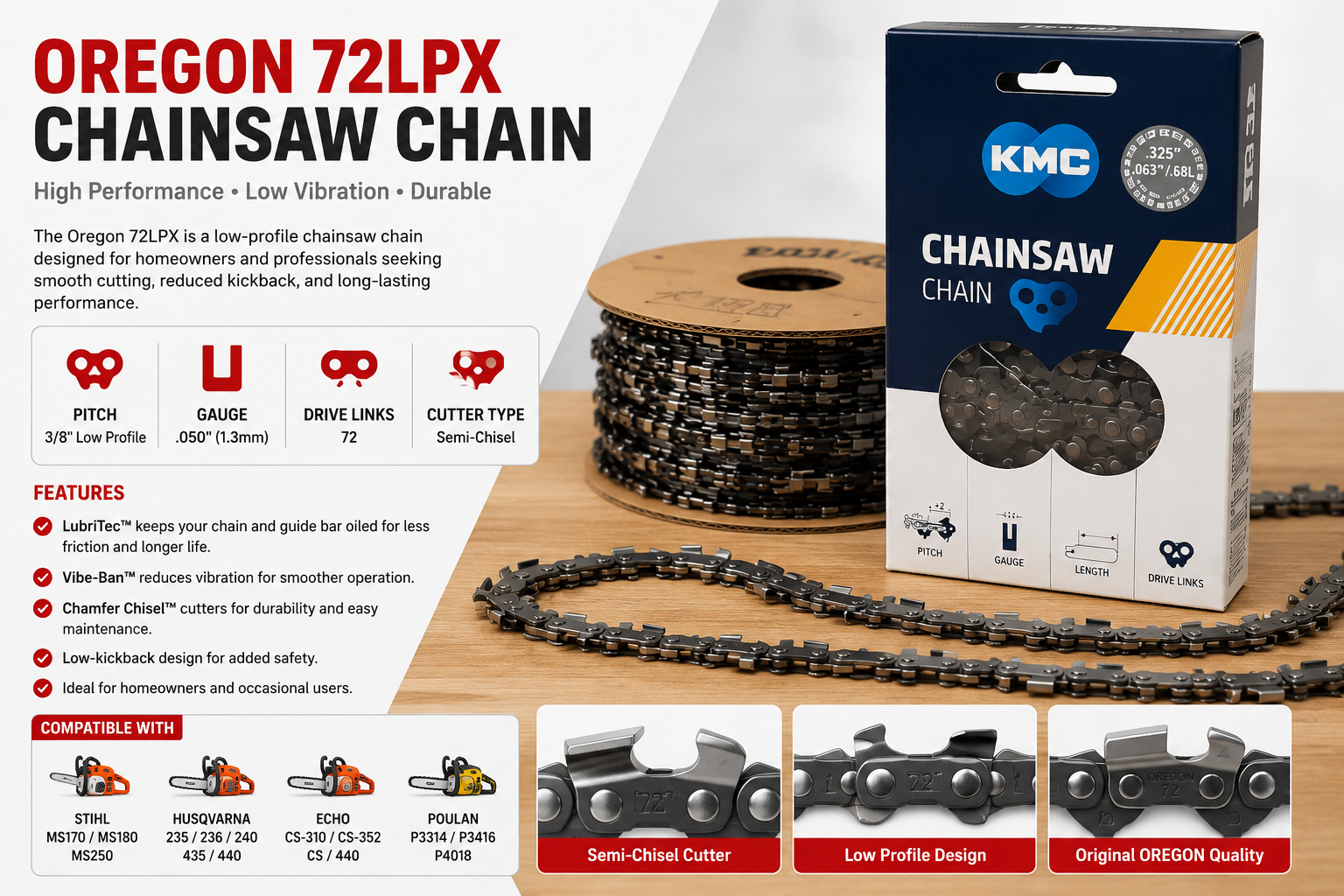
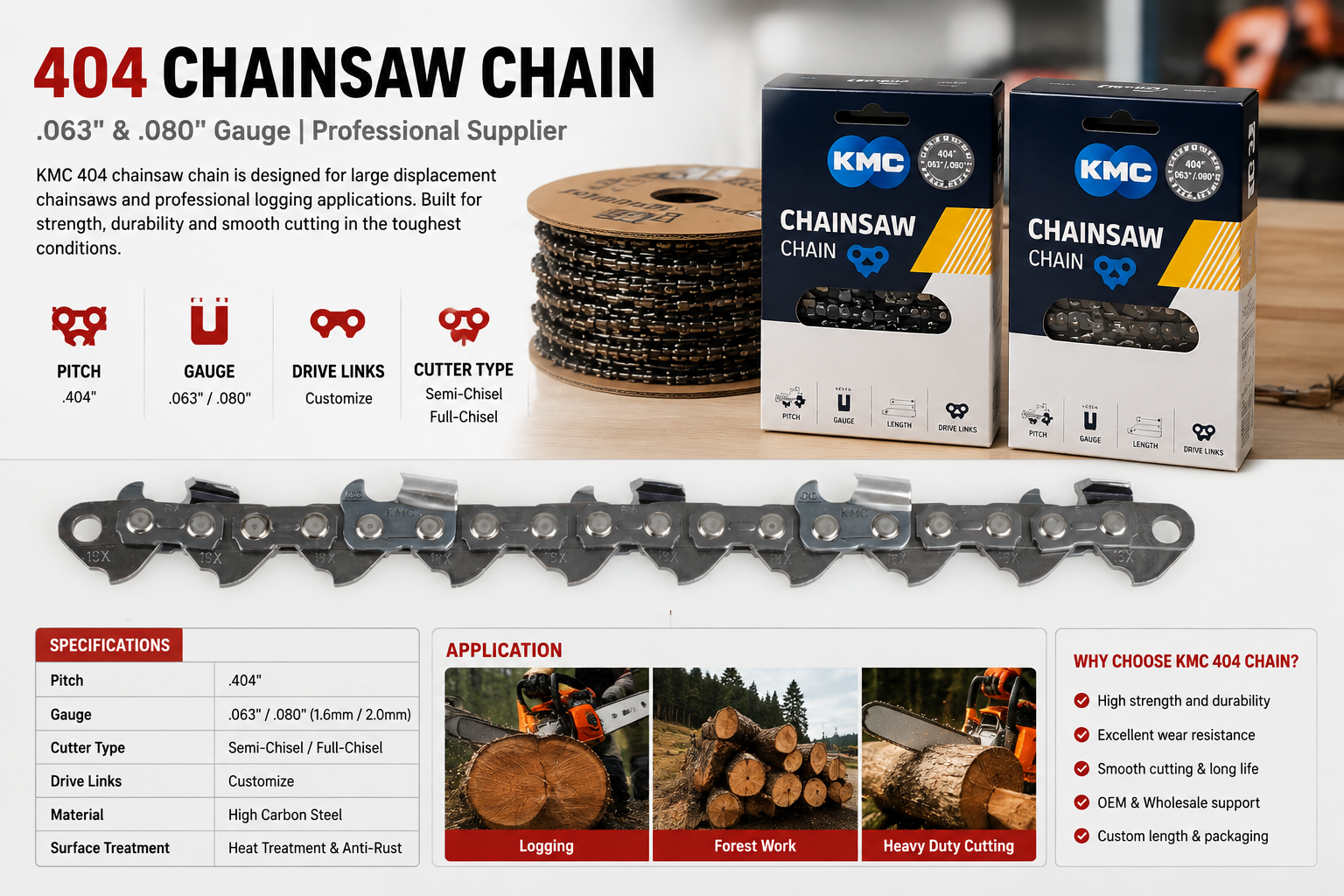
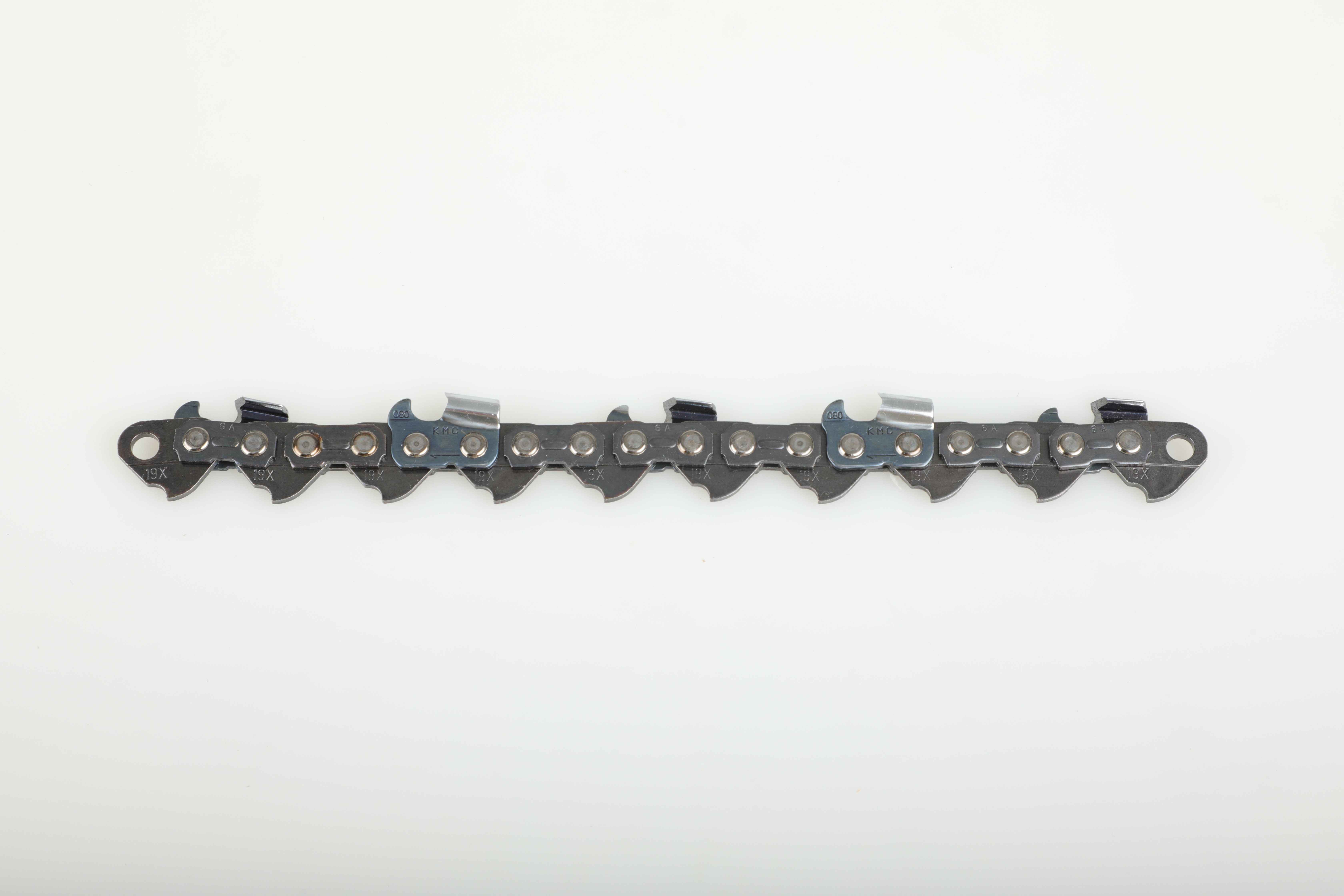
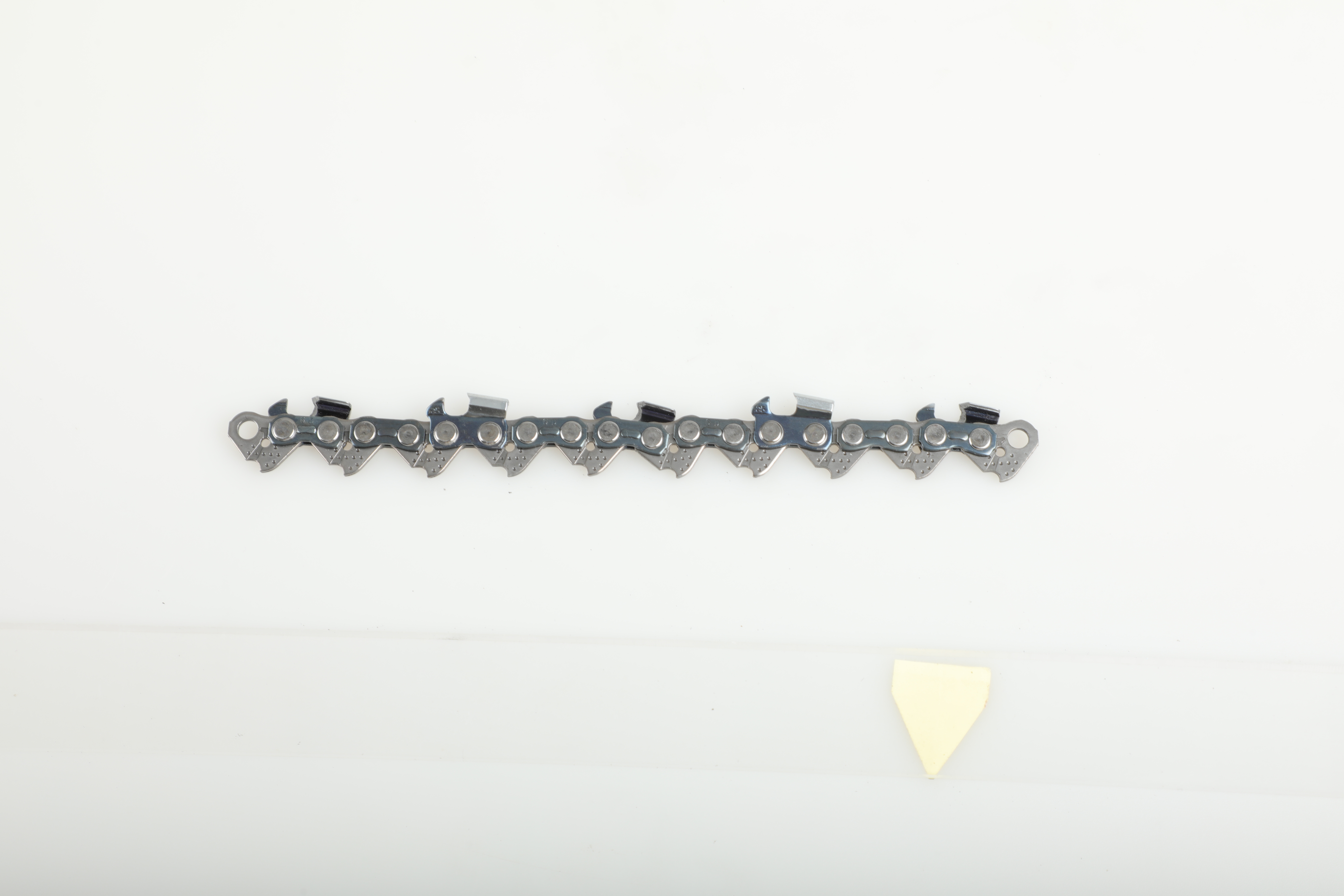
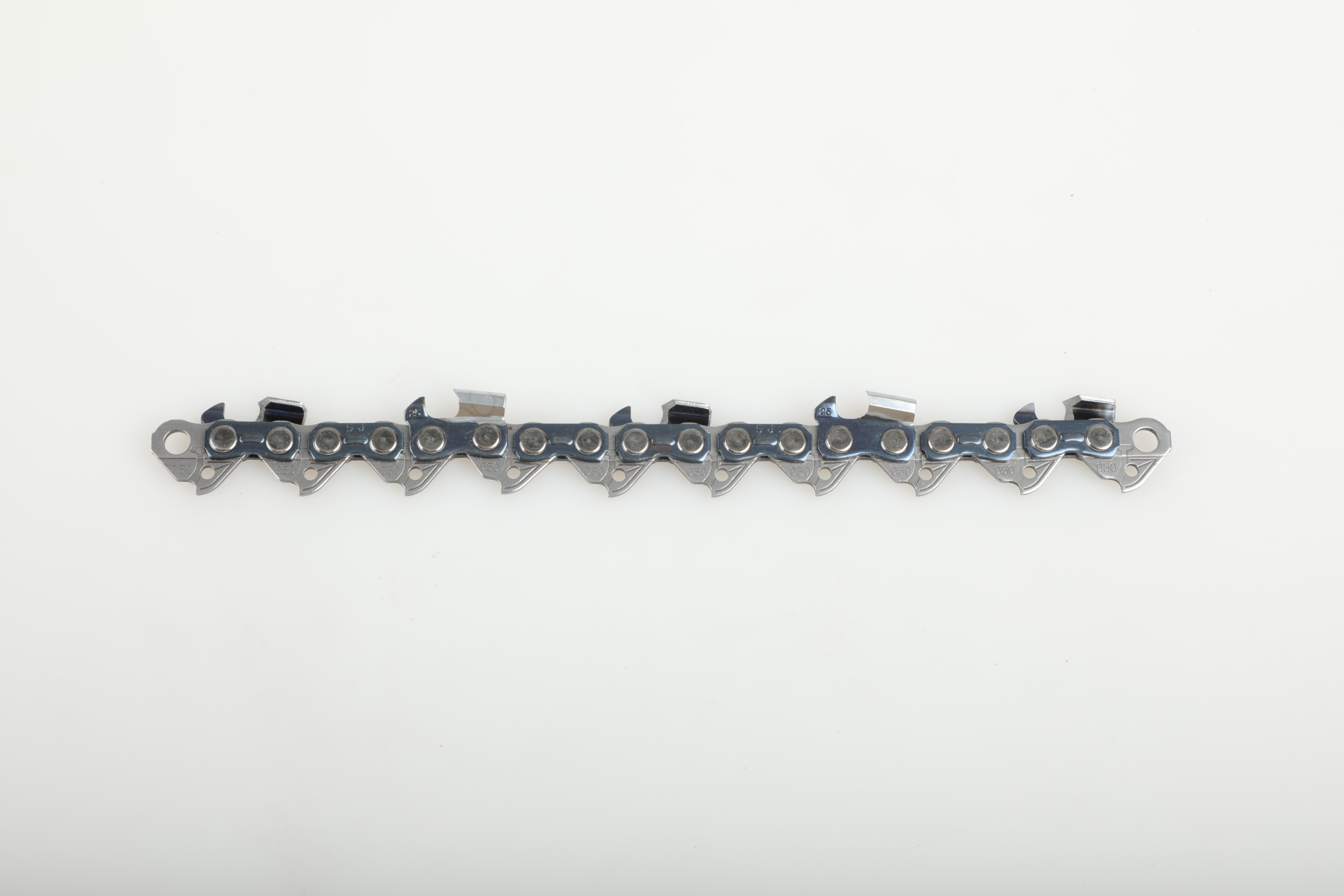
Quick answer: Private label chainsaw chain packaging should identify the exact pitch, gauge, drive-link count, chain type, product code, quantity and responsible brand without hiding fit data behind marketing. The process should include a product-data sheet, barcode assignment, artwork proof, printed sample, carton plan and revision control before volume printing.
Packaging is where technical accuracy meets branding. A strong design can still fail if it sends a correct loop to the wrong shelf or repeats an old specification. This guide focuses on the data and approval workflow needed to make private-label packaging useful for customers, warehouses and repeat manufacturing.
- Use one approved source for package data.
- Make fit data visible and readable.
- Give each sellable configuration a unique identity.
- Approve content twice: on screen and in print.
- Keep warehouse identification consistent.
Table of Contents
- Create the Product Data Master
- Build a Clear Front and Back Information Hierarchy
- Assign Product Codes and Barcodes Correctly
- Review Digital and Printed Proofs
- Connect Inner Packages to Master Cartons
- Manage Artwork Revisions and Obsolete Stock
- Frequently Asked Questions
- Conclusion
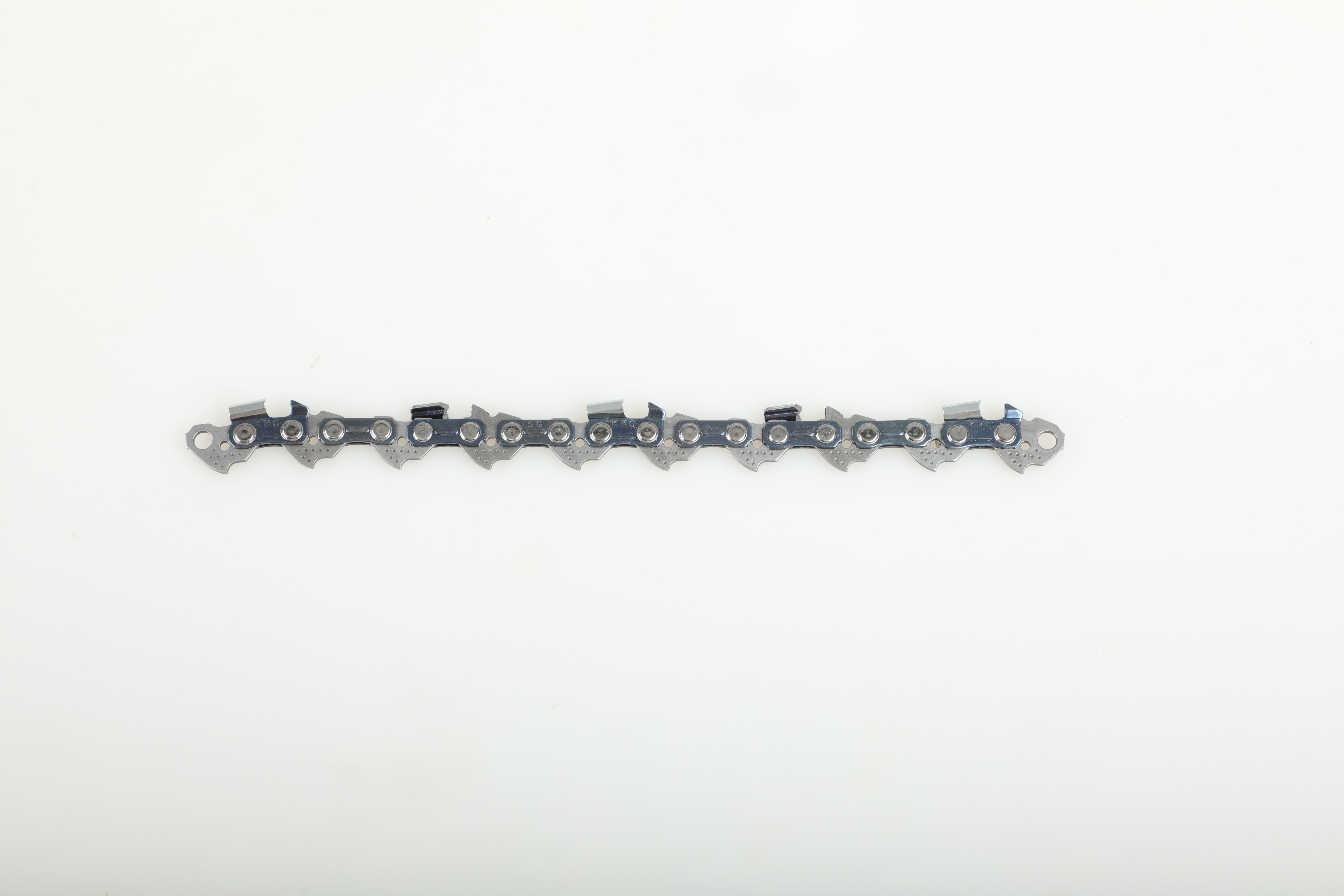
Good private-label packaging makes the chain easier to identify while protecting the approved product data.
Create the Product Data Master
The data master should list the SKU, pitch, gauge, drive links, chain type, units and quantity. For brands, distributors and packaging teams creating a private-label chain line, this point should be connected to a written product or order requirement rather than left as a general preference. The response is easier to compare when every candidate uses the same terminology and confirms any exception before work begins.
The practical action is to assign an owner and revision before any designer starts artwork Keep the result with the quotation, sample or order record so later decisions use the approved version. When several chain configurations are involved, separate them by pitch, gauge and drive-link count instead of combining different loops in one description.
A common failure is copying values from an earlier package or an unverified catalog description The guardrail is to require every printed field to point back to the controlled data master This does not eliminate every supply or operating risk, but it makes the decision visible, reviewable and easier to correct before a full order is packed or used.
| Decision point | What to confirm | Why it matters |
|---|---|---|
| Specification | Pitch, gauge, drive links and chain form | Controls physical fit |
| Sample | Measured loop and approved identity | Creates the release reference |
| Quality | Inspection and batch record | Supports repeat consistency |
| Packaging | Product code, proof and carton mark | Prevents mixed goods |
| Change control | Written approval before substitution | Protects repeat orders |
Build a Clear Front and Back Information Hierarchy
The front should identify the product quickly while the back can carry detailed instructions and brand information. For brands, distributors and packaging teams creating a private-label chain line, this point should be connected to a written product or order requirement rather than left as a general preference. The response is easier to compare when every candidate uses the same terminology and confirms any exception before work begins.
The practical action is to test the layout at actual package size and in the expected sales environment Keep the result with the quotation, sample or order record so later decisions use the approved version. When several chain configurations are involved, separate them by pitch, gauge and drive-link count instead of combining different loops in one description.
A common failure is using small decorative type that makes gauge or drive-link count difficult to distinguish The guardrail is to apply consistent positions, units and typography across the range This does not eliminate every supply or operating risk, but it makes the decision visible, reviewable and easier to correct before a full order is packed or used.
Assign Product Codes and Barcodes Correctly
A different loop count, package quantity or materially different product needs its own controlled code. For brands, distributors and packaging teams creating a private-label chain line, this point should be connected to a written product or order requirement rather than left as a general preference. The response is easier to compare when every candidate uses the same terminology and confirms any exception before work begins.
The practical action is to maintain a barcode register and scan proofs before printing Keep the result with the quotation, sample or order record so later decisions use the approved version. When several chain configurations are involved, separate them by pitch, gauge and drive-link count instead of combining different loops in one description.
A common failure is reusing one barcode for multiple loops because their general descriptions are similar The guardrail is to block duplicate codes and connect every barcode to the approved SKU matrix This does not eliminate every supply or operating risk, but it makes the decision visible, reviewable and easier to correct before a full order is packed or used.
Review Digital and Printed Proofs
Digital proofing catches data and layout issues, while a printed sample reveals size, color and legibility problems. For brands, distributors and packaging teams creating a private-label chain line, this point should be connected to a written product or order requirement rather than left as a general preference. The response is easier to compare when every candidate uses the same terminology and confirms any exception before work begins.
The practical action is to compare both proofs with the physical approved chain and carton plan Keep the result with the quotation, sample or order record so later decisions use the approved version. When several chain configurations are involved, separate them by pitch, gauge and drive-link count instead of combining different loops in one description.
A common failure is approving artwork without checking the final package dimensions or production print The guardrail is to use a signed checklist covering product, brand, barcode and operational data This does not eliminate every supply or operating risk, but it makes the decision visible, reviewable and easier to correct before a full order is packed or used.

Connect Inner Packages to Master Cartons
Carton marks should show the same SKU, product identity and quantity used on inner packs and packing lists. For brands, distributors and packaging teams creating a private-label chain line, this point should be connected to a written product or order requirement rather than left as a general preference. The response is easier to compare when every candidate uses the same terminology and confirms any exception before work begins.
The practical action is to define inner quantity, carton quantity, mixed-carton policy and pallet labels Keep the result with the quotation, sample or order record so later decisions use the approved version. When several chain configurations are involved, separate them by pitch, gauge and drive-link count instead of combining different loops in one description.
A common failure is packing a correct chain in a carton marked for another drive-link count The guardrail is to require carton breakdowns and sample cross-checks before shipment This does not eliminate every supply or operating risk, but it makes the decision visible, reviewable and easier to correct before a full order is packed or used.
Manage Artwork Revisions and Obsolete Stock
Every approved file should have a revision, effective date and status. For brands, distributors and packaging teams creating a private-label chain line, this point should be connected to a written product or order requirement rather than left as a general preference. The response is easier to compare when every candidate uses the same terminology and confirms any exception before work begins.
The practical action is to quarantine or dispose of obsolete printed material according to an agreed decision Keep the result with the quotation, sample or order record so later decisions use the approved version. When several chain configurations are involved, separate them by pitch, gauge and drive-link count instead of combining different loops in one description.
A common failure is leaving old and new labels together where operators can select either version The guardrail is to store active artwork separately and verify the revision during line clearance This does not eliminate every supply or operating risk, but it makes the decision visible, reviewable and easier to correct before a full order is packed or used.
Frequently Asked Questions
What fit data belongs on a private-label chain package?
Show pitch, gauge, exact drive-link count, chain or cutter type, product code and quantity. Use consistent inch and millimeter units where appropriate, and avoid broad compatibility claims that have not been checked.
Does every drive-link count need a different barcode?
If each count is sold as a different SKU, it should have a unique barcode. The barcode must identify one sellable loop-and-package combination so receiving, sales and returns remain accurate.
When should packaging be printed?
Print after the chain specification, product code, barcode and artwork proof are approved. Use a printed sample for final legibility and data checks before authorizing the full run.
Can KMC support private-label projects?
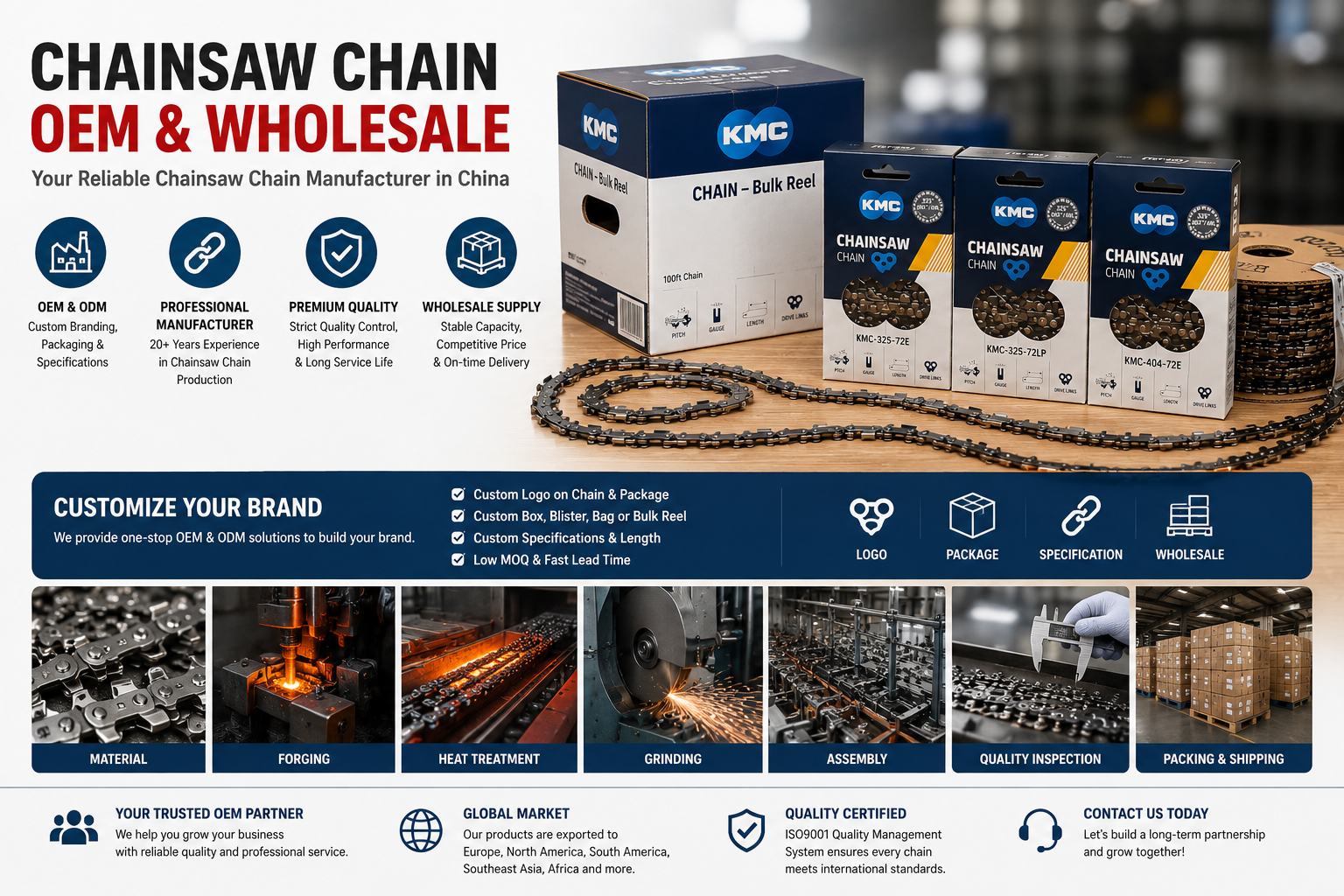
The OEM and wholesale page introduces branding and packaging support. Send the SKU matrix, artwork needs and quantities through the contact page for review.
Conclusion
Private label chainsaw chain packaging should make a verified product easier to identify, receive and reorder. Control the product-data master, hierarchy, barcode, proofs, cartons and obsolete versions before printing. A disciplined package process protects both the customer experience and the physical chain specification.