Quick answer: A low-kickback chainsaw chain for homeowner saws uses design features intended to reduce some kickback energy under specified conditions. It does not eliminate kickback. The replacement must match the saw, sprocket and guide bar in pitch, gauge, drive-link count and approved chassis, and the operator must follow the saw manual, protective-equipment guidance and safe cutting technique.
Low-kickback is a safety-related product description that needs careful wording. It should never be translated into “no kickback” or treated as permission to use the bar nose carelessly. This homeowner-focused article explains fit, design purpose, limits, maintenance and retail communication while linking to the broader low-kickback safety guide.
- Use precise, limited safety language.
- Confirm the approved chain and chassis.
- Maintain cutters and depth gauges together.
- Do not rely on chain design alone.
- Treat the saw as a complete safety system.
Table of Contents
- Understand What Low Kickback Means
- Match the Homeowner Saw System
- Keep Low-Kickback Geometry Intact
- Use Safe Homeowner Cutting Technique
- Inspect Bar, Brake, Sprocket and Oiling
- Label and Sell Low-Kickback Chains Responsibly
- Frequently Asked Questions
- Conclusion
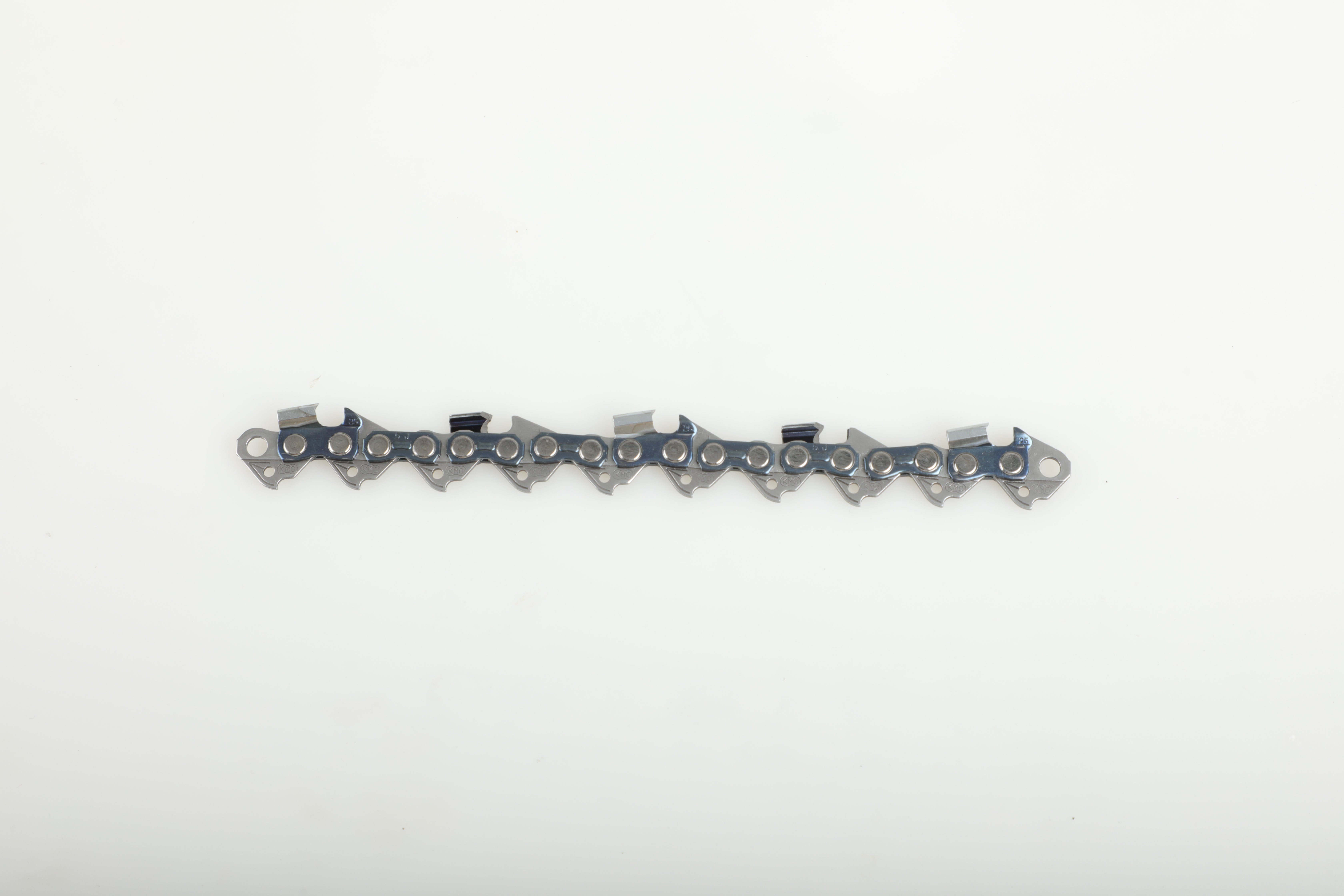
Low-kickback features can reduce some reactive forces in specified conditions but do not remove kickback or replace safe technique.
Understand What Low Kickback Means
Low-kickback designs aim to reduce some kickback response through cutter, depth-gauge or guard-link relationships. For homeowners, garden-tool retailers and compact-saw service shops, this point should be connected to a written product or order requirement rather than left as a general preference. The response is easier to compare when every candidate uses the same terminology and confirms any exception before work begins.
The practical action is to read the product and saw guidance and explain that kickback remains possible Keep the result with the quotation, sample or order record so later decisions use the approved version. When several chain configurations are involved, separate them by pitch, gauge and drive-link count instead of combining different loops in one description.
A common failure is using phrases such as kickback-proof or completely safe The guardrail is to state that the feature is one layer in a complete safety system This does not eliminate every supply or operating risk, but it makes the decision visible, reviewable and easier to correct before a full order is packed or used.
| Decision point | What to confirm | Why it matters |
|---|---|---|
| Fit | Pitch, gauge and drive links | Must match equipment |
| Chassis | Approved low-kickback configuration | Works as a complete design |
| Purpose | Reduce some reactive force | Does not eliminate kickback |
| Maintenance | Keep cutters and depth gauges correct | Alteration changes behavior |
| Technique | Follow saw guidance and avoid hazard zones | Chain is not the only control |
Match the Homeowner Saw System
Compact and homeowner saws may use different low-profile pitches, gauges and counts. For homeowners, garden-tool retailers and compact-saw service shops, this point should be connected to a written product or order requirement rather than left as a general preference. The response is easier to compare when every candidate uses the same terminology and confirms any exception before work begins.
The practical action is to verify the current bar, sprocket and equipment information before ordering Keep the result with the quotation, sample or order record so later decisions use the approved version. When several chain configurations are involved, separate them by pitch, gauge and drive-link count instead of combining different loops in one description.
A common failure is choosing from saw brand or bar length alone The guardrail is to record pitch, gauge, drive links and full product identity This does not eliminate every supply or operating risk, but it makes the decision visible, reviewable and easier to correct before a full order is packed or used.
Keep Low-Kickback Geometry Intact
Filing cutters changes their height and requires approved depth-gauge maintenance over time. For homeowners, garden-tool retailers and compact-saw service shops, this point should be connected to a written product or order requirement rather than left as a general preference. The response is easier to compare when every candidate uses the same terminology and confirms any exception before work begins.
The practical action is to use the chain’s sharpening and depth-gauge instructions or qualified service Keep the result with the quotation, sample or order record so later decisions use the approved version. When several chain configurations are involved, separate them by pitch, gauge and drive-link count instead of combining different loops in one description.
A common failure is lowering depth gauges aggressively or reshaping safety-related components The guardrail is to replace damaged chains and avoid unapproved modification This does not eliminate every supply or operating risk, but it makes the decision visible, reviewable and easier to correct before a full order is packed or used.
Use Safe Homeowner Cutting Technique
Kickback risk also depends on bar-nose contact, wood movement, stance, grip, saw condition and work planning. For homeowners, garden-tool retailers and compact-saw service shops, this point should be connected to a written product or order requirement rather than left as a general preference. The response is easier to compare when every candidate uses the same terminology and confirms any exception before work begins.
The practical action is to follow the saw manual, maintain two-hand control where specified and plan the cut Keep the result with the quotation, sample or order record so later decisions use the approved version. When several chain configurations are involved, separate them by pitch, gauge and drive-link count instead of combining different loops in one description.
A common failure is touching hidden objects or cutting with the upper bar-nose hazard area The guardrail is to stop and reassess whenever the workpiece or cutting path is uncertain This does not eliminate every supply or operating risk, but it makes the decision visible, reviewable and easier to correct before a full order is packed or used.
Inspect Bar, Brake, Sprocket and Oiling
A compatible chain needs a serviceable bar, sprocket, chain brake, tensioning and lubrication system. For homeowners, garden-tool retailers and compact-saw service shops, this point should be connected to a written product or order requirement rather than left as a general preference. The response is easier to compare when every candidate uses the same terminology and confirms any exception before work begins.
The practical action is to perform the manufacturer’s pre-use checks and service abnormal components Keep the result with the quotation, sample or order record so later decisions use the approved version. When several chain configurations are involved, separate them by pitch, gauge and drive-link count instead of combining different loops in one description.
A common failure is assuming a low-kickback chain corrects poor maintenance or a damaged saw The guardrail is to remove the saw from use when safety functions or chain movement are abnormal This does not eliminate every supply or operating risk, but it makes the decision visible, reviewable and easier to correct before a full order is packed or used.
Label and Sell Low-Kickback Chains Responsibly
Retail packaging should show the complete specification and avoid absolute safety claims. For homeowners, garden-tool retailers and compact-saw service shops, this point should be connected to a written product or order requirement rather than left as a general preference. The response is easier to compare when every candidate uses the same terminology and confirms any exception before work begins.
The practical action is to train sales staff to ask for pitch, gauge and drive links and to explain the feature’s limits Keep the result with the quotation, sample or order record so later decisions use the approved version. When several chain configurations are involved, separate them by pitch, gauge and drive-link count instead of combining different loops in one description.
A common failure is recommending one chain to every small saw because the package says low kickback The guardrail is to match the exact system and refer uncertain customers to qualified service This does not eliminate every supply or operating risk, but it makes the decision visible, reviewable and easier to correct before a full order is packed or used.
Frequently Asked Questions
Can low-kickback chain still kick back?
Yes. Low-kickback features are intended to reduce some reactive forces under specified conditions; they do not eliminate the event. Safe technique, correct equipment, maintenance and protective measures remain necessary.
Is every low-profile chain low kickback?
Do not assume so. Low profile describes a chain category or chassis characteristic, while low kickback is a specific safety-related design claim. Verify the exact product and equipment guidance.
Can depth gauges be filed normally?
They should be maintained only according to the chain’s specified method and relationship to cutter height. Aggressive or uneven filing can change cutting behavior. Use an approved guide or qualified service.
Where can homeowners find compatible KMC options?
Start with the 3/8 LP category when appropriate, then send the exact gauge and drive-link count through the contact page.
Conclusion
A low kickback chainsaw chain for homeowner saws is one risk-reduction feature within a complete cutting system. Match the exact equipment, preserve the designed geometry, maintain the saw and follow safe technique. Communicate the limits clearly: kickback remains possible, and compatibility must be verified.