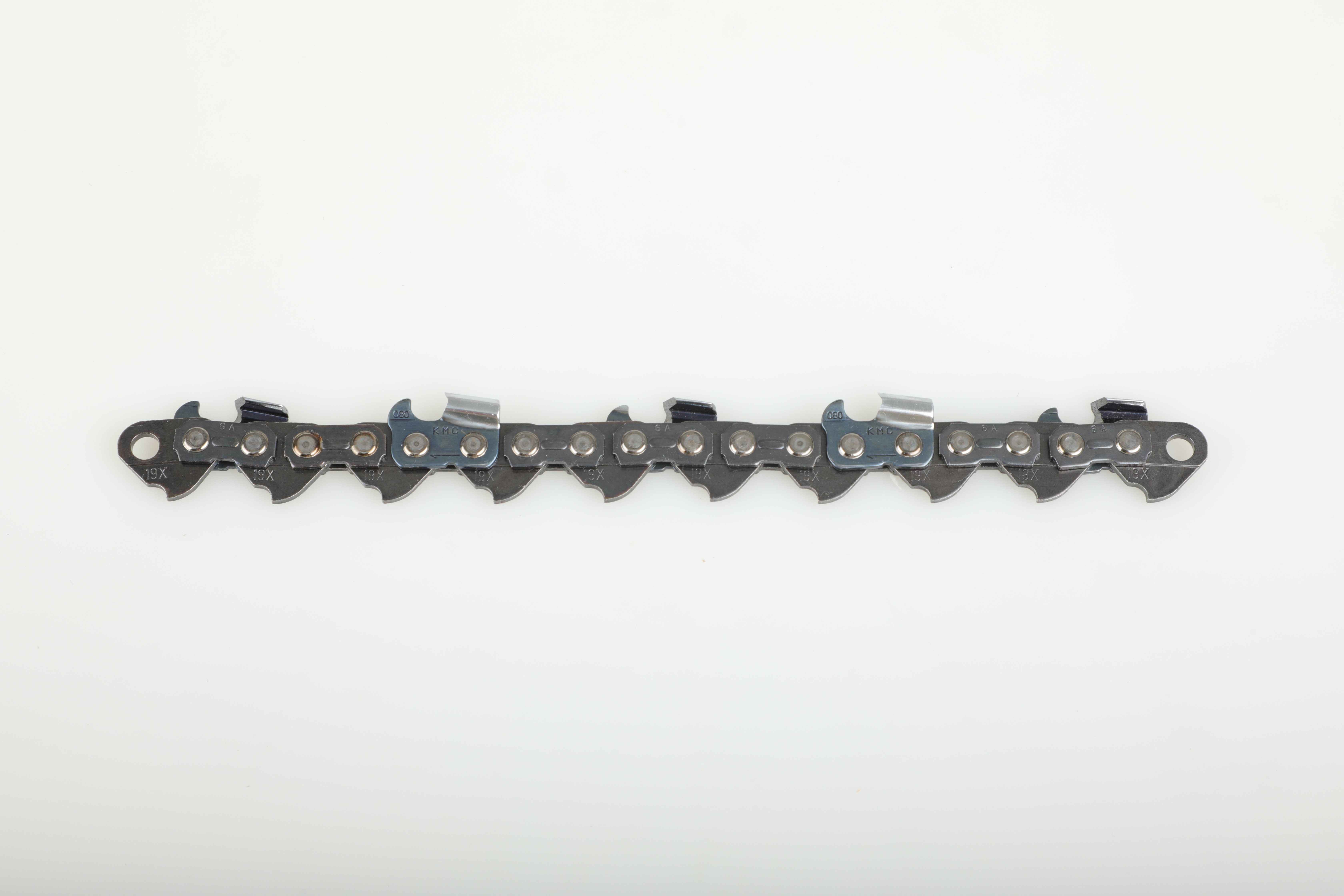
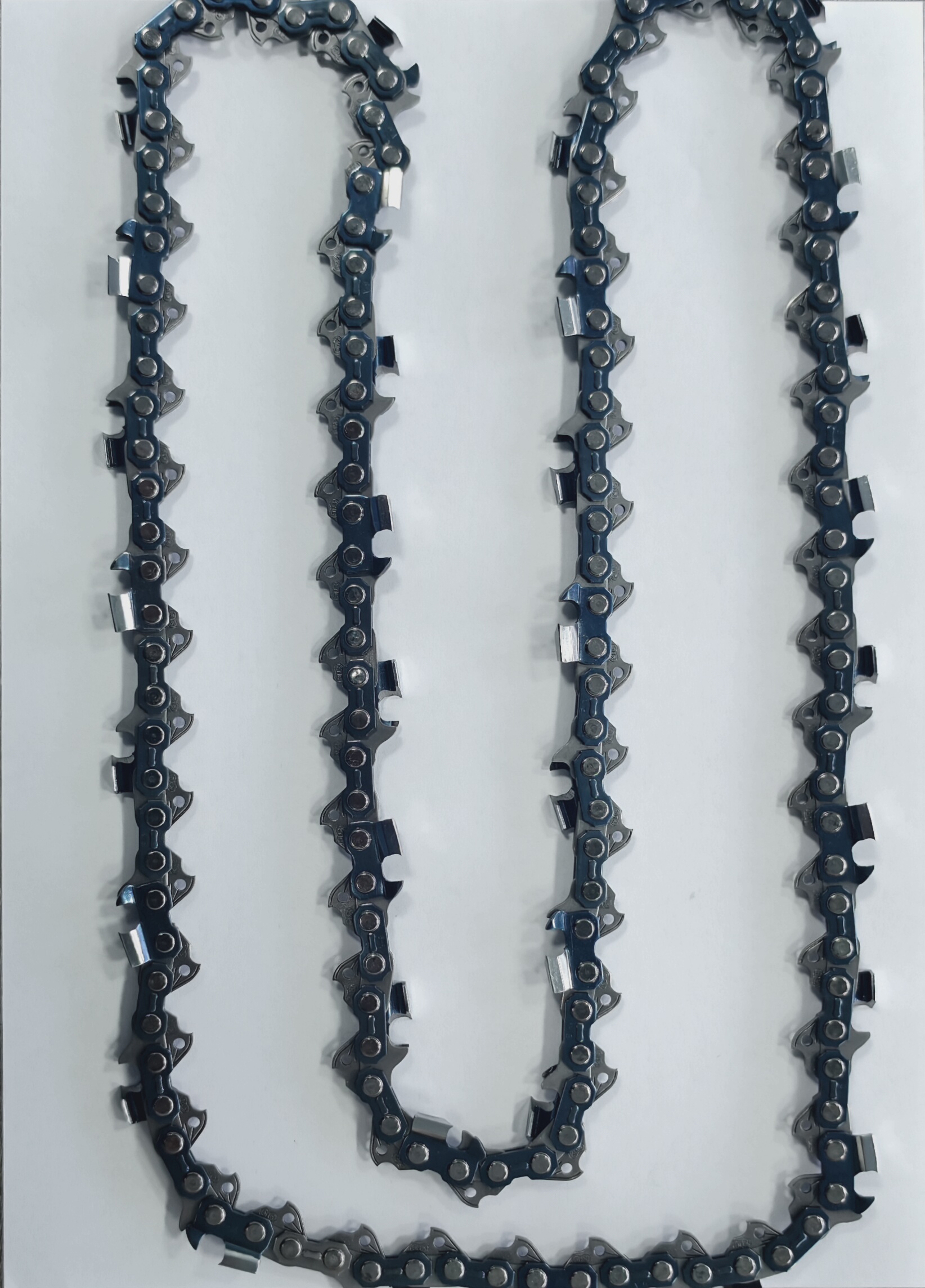
Quick answer: A chainsaw chain OEM supplier checklist should confirm technical interpretation, sample discipline, inspection and traceability, artwork control, pilot-order execution and repeat-order change management. A supplier passes when it can connect the approved physical loop to the correct product code and package while stating limitations instead of making broad compatibility assumptions.
Private brands carry the customer-facing responsibility for the finished item, even when production is outsourced. This checklist focuses on the handoffs where OEM programs most often lose control: incomplete specifications, sample revisions, copied artwork and silent substitutions. It gives technical, purchasing and brand teams one shared review.
- Require a written specification response.
- Approve measured samples by revision.
- Trace the approved product through production.
- Approve product data before visual design.
- Test normal production and fulfillment.
Table of Contents
- Check Technical Interpretation Before Pricing
- Evaluate Sample and Revision Discipline
- Review Inspection and Traceability
- Control Branding, Barcode and Package Proofs
- Run a Representative Pilot Order
- Protect Repeat Orders with Change Control
- Frequently Asked Questions
- Conclusion
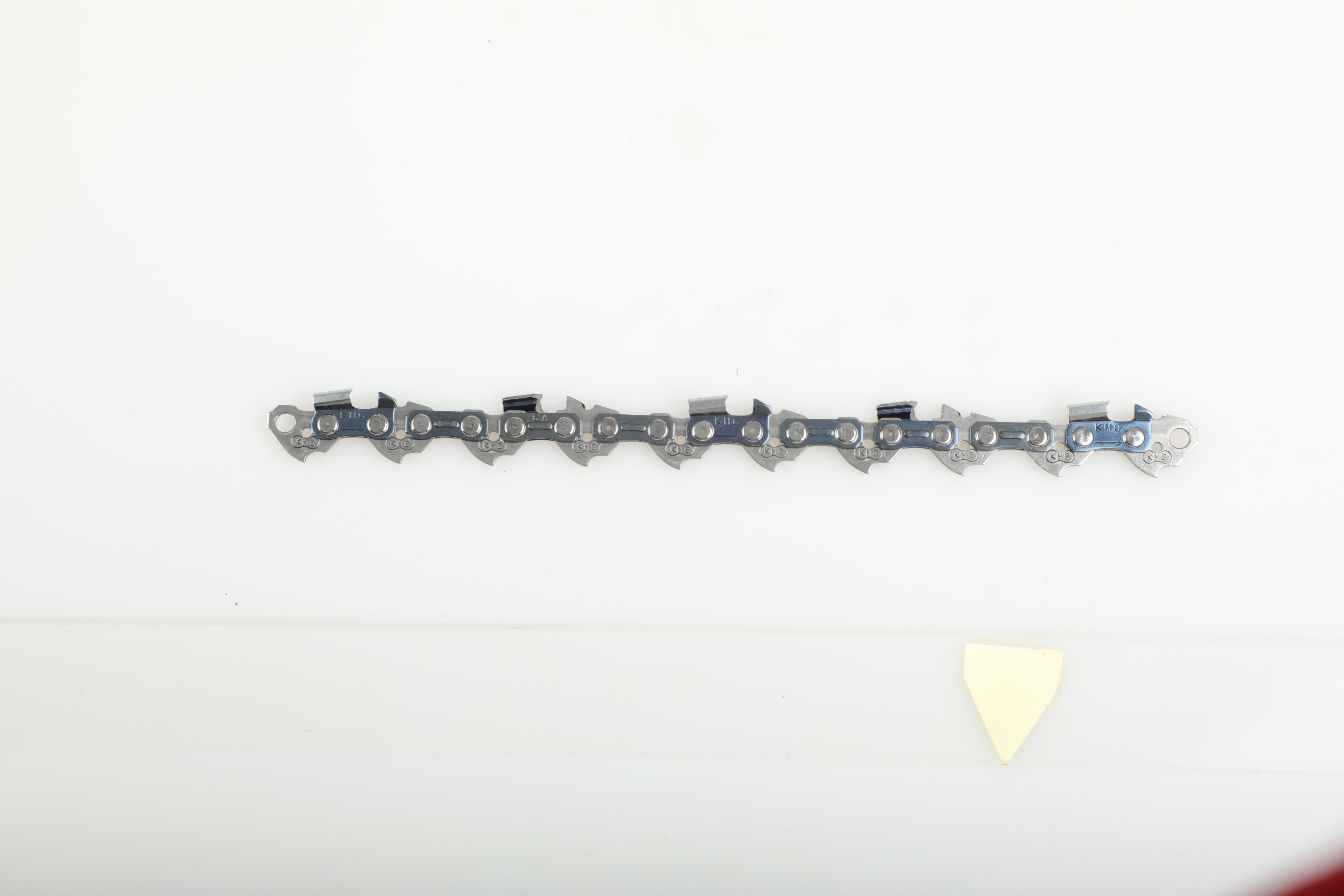
A private brand should qualify the chain, supplier process and package as one controlled product.
Check Technical Interpretation Before Pricing
The supplier should restate every fit-critical value and identify open questions before quoting. For private brands and product managers selecting an OEM supplier, this point should be connected to a written product or order requirement rather than left as a general preference. The response is easier to compare when every candidate uses the same terminology and confirms any exception before work begins.
The practical action is to compare its response with the original matrix and resolve every exception Keep the result with the quotation, sample or order record so later decisions use the approved version. When several chain configurations are involved, separate them by pitch, gauge and drive-link count instead of combining different loops in one description.
A common failure is assuming a sales quotation proves the requested pitch, gauge and count were understood The guardrail is to attach the confirmed matrix to the quote and later purchase order This does not eliminate every supply or operating risk, but it makes the decision visible, reviewable and easier to correct before a full order is packed or used.
| Decision point | What to confirm | Why it matters |
|---|---|---|
| Specification | Pitch, gauge, drive links and chain form | Controls physical fit |
| Sample | Measured loop and approved identity | Creates the release reference |
| Quality | Inspection and batch record | Supports repeat consistency |
| Packaging | Product code, proof and carton mark | Prevents mixed goods |
| Change control | Written approval before substitution | Protects repeat orders |
Evaluate Sample and Revision Discipline
Sample identification should link the loop, temporary label and test record to one development version. For private brands and product managers selecting an OEM supplier, this point should be connected to a written product or order requirement rather than left as a general preference. The response is easier to compare when every candidate uses the same terminology and confirms any exception before work begins.
The practical action is to measure, fit-check and sign off representative samples with dated comments Keep the result with the quotation, sample or order record so later decisions use the approved version. When several chain configurations are involved, separate them by pitch, gauge and drive-link count instead of combining different loops in one description.
A common failure is making verbal revisions that are not reflected in the next sample The guardrail is to issue numbered revisions and require a new sample after fit-critical changes This does not eliminate every supply or operating risk, but it makes the decision visible, reviewable and easier to correct before a full order is packed or used.
Review Inspection and Traceability
Quality controls should address dimensions, assembly, cutter condition, count, labeling and carton identity. For private brands and product managers selecting an OEM supplier, this point should be connected to a written product or order requirement rather than left as a general preference. The response is easier to compare when every candidate uses the same terminology and confirms any exception before work begins.
The practical action is to request one masked batch record and perform a carton-to-order trace test Keep the result with the quotation, sample or order record so later decisions use the approved version. When several chain configurations are involved, separate them by pitch, gauge and drive-link count instead of combining different loops in one description.
A common failure is accepting a general quality statement without evidence related to the planned product The guardrail is to define required records and batch codes before the pilot order This does not eliminate every supply or operating risk, but it makes the decision visible, reviewable and easier to correct before a full order is packed or used.
Control Branding, Barcode and Package Proofs
Artwork must connect the brand name and barcode to the approved chain specification. For private brands and product managers selecting an OEM supplier, this point should be connected to a written product or order requirement rather than left as a general preference. The response is easier to compare when every candidate uses the same terminology and confirms any exception before work begins.
The practical action is to review units, pitch, gauge, drive links, chain type and carton marks Keep the result with the quotation, sample or order record so later decisions use the approved version. When several chain configurations are involved, separate them by pitch, gauge and drive-link count instead of combining different loops in one description.
A common failure is reusing attractive artwork with an old count or duplicated barcode The guardrail is to maintain an approved artwork register and withdraw obsolete files This does not eliminate every supply or operating risk, but it makes the decision visible, reviewable and easier to correct before a full order is packed or used.
Run a Representative Pilot Order
A pilot should include configurations that are high-volume, new or visually easy to confuse. For private brands and product managers selecting an OEM supplier, this point should be connected to a written product or order requirement rather than left as a general preference. The response is easier to compare when every candidate uses the same terminology and confirms any exception before work begins.
The practical action is to inspect receiving samples, package identity, carton quantities and documents Keep the result with the quotation, sample or order record so later decisions use the approved version. When several chain configurations are involved, separate them by pitch, gauge and drive-link count instead of combining different loops in one description.
A common failure is using one simple SKU to approve a future mixed-product program The guardrail is to include challenging SKUs and close discrepancies before scale-up This does not eliminate every supply or operating risk, but it makes the decision visible, reviewable and easier to correct before a full order is packed or used.
Protect Repeat Orders with Change Control
A repeat order should cite the last specification, artwork and packing revision. For private brands and product managers selecting an OEM supplier, this point should be connected to a written product or order requirement rather than left as a general preference. The response is easier to compare when every candidate uses the same terminology and confirms any exception before work begins.
The practical action is to require written notice and impact review for any proposed substitution Keep the result with the quotation, sample or order record so later decisions use the approved version. When several chain configurations are involved, separate them by pitch, gauge and drive-link count instead of combining different loops in one description.
A common failure is allowing an available similar component or package to replace the approved version The guardrail is to withhold release until technical and brand owners approve the change This does not eliminate every supply or operating risk, but it makes the decision visible, reviewable and easier to correct before a full order is packed or used.
Frequently Asked Questions
What documents should an OEM supplier provide before sampling?
The supplier should return the completed chain matrix, feasibility comments, sample plan, estimated timing and any package assumptions. This creates a shared definition before physical loops or artwork are prepared.
Who should approve private-label chain artwork?
Brand staff should approve appearance, while technical or product staff verify pitch, gauge, drive links, chain type, product code and compatibility wording. Barcode and carton data also need an operational check.
Why is a pilot order needed?
A pilot tests normal production, inspection, labeling, packing and documentation. A hand-prepared sample may be correct even when the routine order process has not yet proven that it can repeat the result.
How can private brands contact KMC?
Review the OEM service information and send the completed chain and package matrix through the contact page.
Conclusion
Use the chainsaw chain OEM supplier checklist to keep technical, quality and brand decisions connected. Confirm interpretation, approve controlled samples, test traceability, lock artwork, run a representative pilot and require change approval. That sequence gives a private brand a defensible release record for repeat production.