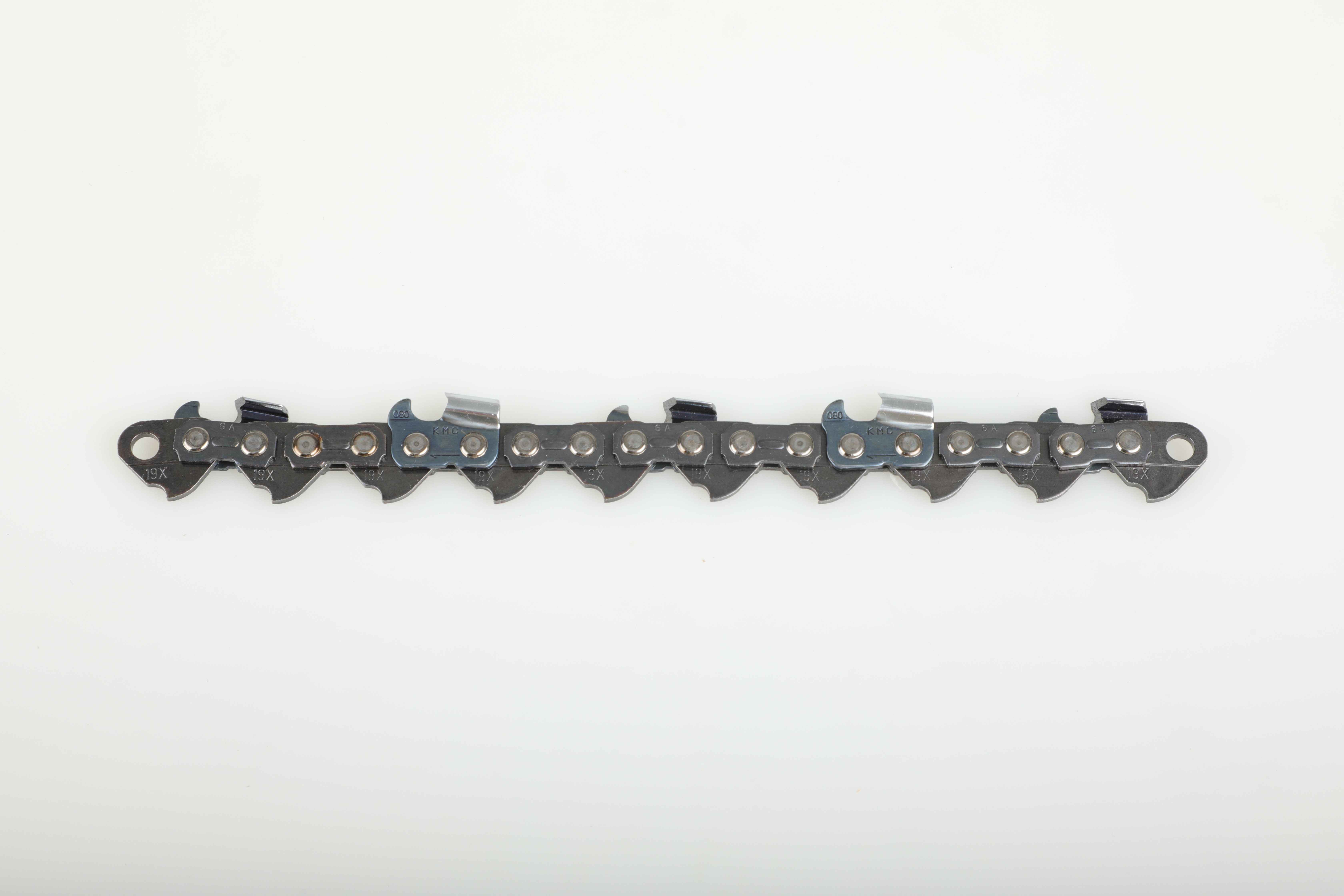
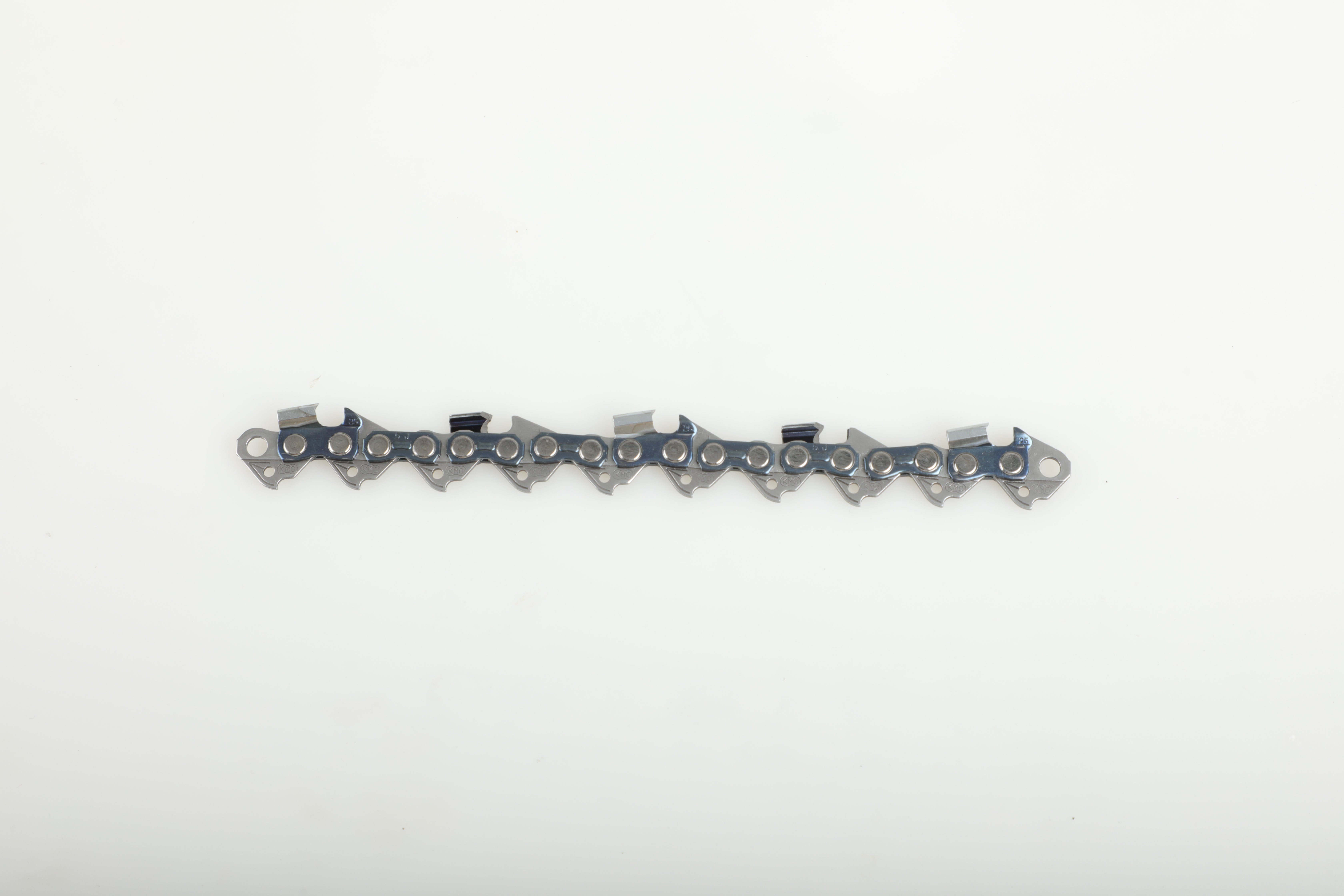
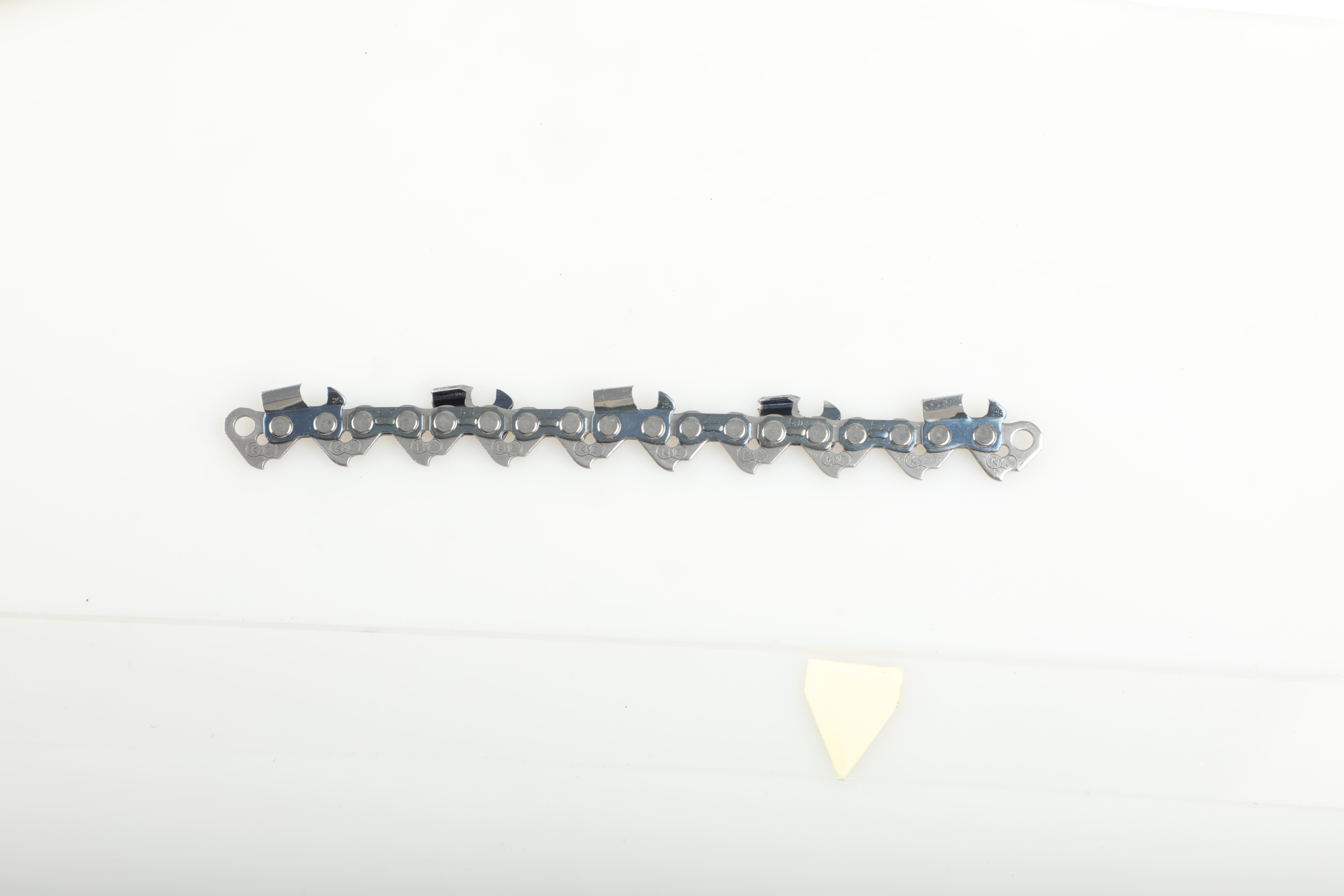
Quick answer: To learn how to choose a replacement chainsaw chain without guesswork, complete five checks: verify pitch, match gauge, count drive links, select an approved cutter or chassis type, and inspect the guide bar, sprocket and oiling system. Use current equipment information; saw brand and nominal bar length alone cannot identify the correct loop.
A replacement purchase should be a short technical process, not trial and error. This guide converts the existing general chain-selection article into a focused replacement workflow that can be used at a parts counter, in a workshop or before an online order.
- Identify the complete drive-system category.
- Use the specified groove width.
- Determine exact loop length.
- Choose cutter behavior after fit.
- Do not ask a new chain to fix worn components.
Table of Contents
- Check 1: Verify the Chain Pitch
- Check 2: Match the Guide-Bar Gauge
- Check 3: Count the Drive Links
- Check 4: Select the Approved Chain Form
- Check 5: Inspect the Complete Saw System
- Install, Recheck and Record the Replacement
- Frequently Asked Questions
- Conclusion
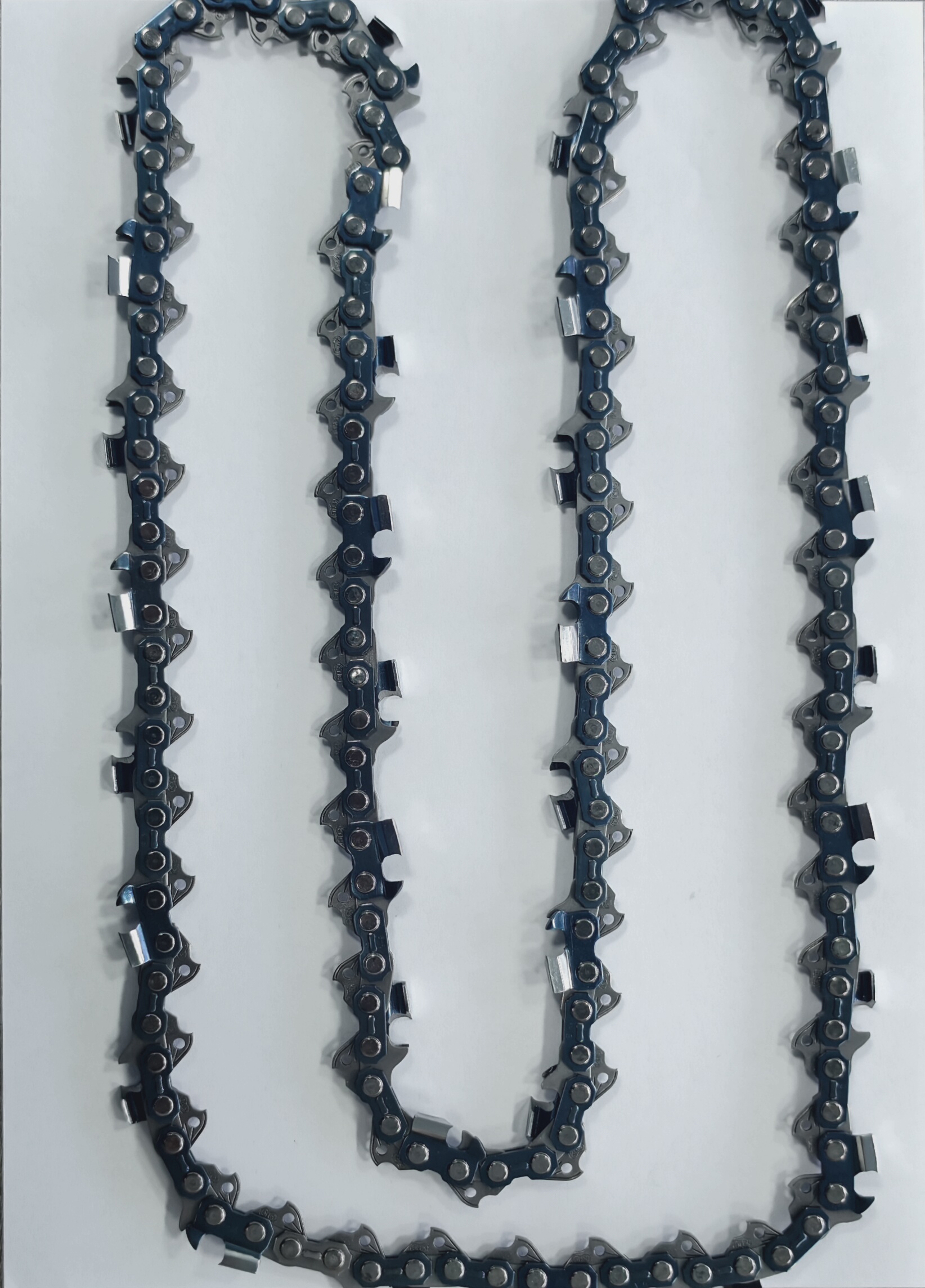
A no-guess replacement process confirms three fit values, then chain form and the condition of the complete cutting system.
Check 1: Verify the Chain Pitch
Use saw, sprocket, guide-bar or known correct chain information to distinguish 1/4, .325, 3/8 LP, 3/8 or .404. For owners, repair counters and online buyers replacing a chainsaw loop, this point should be connected to a written product or order requirement rather than left as a general preference. The response is easier to compare when every candidate uses the same terminology and confirms any exception before work begins.
The practical action is to measure across three rivets only when verified markings are unavailable Keep the result with the quotation, sample or order record so later decisions use the approved version. When several chain configurations are involved, separate them by pitch, gauge and drive-link count instead of combining different loops in one description.
A common failure is choosing standard 3/8 for a 3/8 low-profile setup The guardrail is to require pitch agreement across the current components This does not eliminate every supply or operating risk, but it makes the decision visible, reviewable and easier to correct before a full order is packed or used.
| Decision point | What to confirm | Why it matters |
|---|---|---|
| Check 1 | Pitch | Matches the drive system |
| Check 2 | Gauge | Matches the bar groove |
| Check 3 | Drive-link count | Matches loop length |
| Check 4 | Chain form | Matches saw class and job |
| Check 5 | System condition | Prevents new-chain problems |
Check 2: Match the Guide-Bar Gauge
Gauge is the drive-link thickness and may be .043, .050, .058, .063 or another approved value. For owners, repair counters and online buyers replacing a chainsaw loop, this point should be connected to a written product or order requirement rather than left as a general preference. The response is easier to compare when every candidate uses the same terminology and confirms any exception before work begins.
The practical action is to read the bar or obtain a qualified measurement Keep the result with the quotation, sample or order record so later decisions use the approved version. When several chain configurations are involved, separate them by pitch, gauge and drive-link count instead of combining different loops in one description.
A common failure is copying gauge from an unrelated old package or guessing visually The guardrail is to stop when the chain does not enter and move in the groove correctly This does not eliminate every supply or operating risk, but it makes the decision visible, reviewable and easier to correct before a full order is packed or used.
Check 3: Count the Drive Links
Drive links travel in the bar groove and are not the same as cutters. For owners, repair counters and online buyers replacing a chainsaw loop, this point should be connected to a written product or order requirement rather than left as a general preference. The response is easier to compare when every candidate uses the same terminology and confirms any exception before work begins.
The practical action is to mark one drive link and count one complete circuit on a known correct loop Keep the result with the quotation, sample or order record so later decisions use the approved version. When several chain configurations are involved, separate them by pitch, gauge and drive-link count instead of combining different loops in one description.
A common failure is ordering by nominal bar length alone The guardrail is to record the count on the order, package and workshop bin This does not eliminate every supply or operating risk, but it makes the decision visible, reviewable and easier to correct before a full order is packed or used.
Check 4: Select the Approved Chain Form
Low-profile, full-chisel and semi-chisel options suit different saw classes, wood and maintenance contexts. For owners, repair counters and online buyers replacing a chainsaw loop, this point should be connected to a written product or order requirement rather than left as a general preference. The response is easier to compare when every candidate uses the same terminology and confirms any exception before work begins.
The practical action is to use equipment guidance and describe the real cutting job Keep the result with the quotation, sample or order record so later decisions use the approved version. When several chain configurations are involved, separate them by pitch, gauge and drive-link count instead of combining different loops in one description.
A common failure is treating the most aggressive cutter as best for every operator The guardrail is to match construction to saw, skill, wood cleanliness and sharpening practice This does not eliminate every supply or operating risk, but it makes the decision visible, reviewable and easier to correct before a full order is packed or used.
Check 5: Inspect the Complete Saw System
Bar groove, rails, sprocket, tensioner, chain brake and oiling affect installation and use. For owners, repair counters and online buyers replacing a chainsaw loop, this point should be connected to a written product or order requirement rather than left as a general preference. The response is easier to compare when every candidate uses the same terminology and confirms any exception before work begins.
The practical action is to clean and inspect the system and follow service limits Keep the result with the quotation, sample or order record so later decisions use the approved version. When several chain configurations are involved, separate them by pitch, gauge and drive-link count instead of combining different loops in one description.
A common failure is installing a new loop on a damaged, mismatched or poorly lubricated setup The guardrail is to repair abnormal components before controlled use This does not eliminate every supply or operating risk, but it makes the decision visible, reviewable and easier to correct before a full order is packed or used.
Install, Recheck and Record the Replacement
The loop needs correct direction, tension, lubrication and a final compatibility check. For owners, repair counters and online buyers replacing a chainsaw loop, this point should be connected to a written product or order requirement rather than left as a general preference. The response is easier to compare when every candidate uses the same terminology and confirms any exception before work begins.
The practical action is to follow the saw instructions and save pitch, gauge, count and product code for next time Keep the result with the quotation, sample or order record so later decisions use the approved version. When several chain configurations are involved, separate them by pitch, gauge and drive-link count instead of combining different loops in one description.
A common failure is discarding the package and repeating the same identification work later The guardrail is to keep the verified replacement record with the saw or service history This does not eliminate every supply or operating risk, but it makes the decision visible, reviewable and easier to correct before a full order is packed or used.
Frequently Asked Questions
What are the three numbers needed for a replacement chain?
Pitch, gauge and exact drive-link count are the three essential fit values. Cutter or chassis type and the approved saw system are also needed for the final product choice.
Can I use the old chain as the only reference?
Use it only when it is known to fit correctly. Compare it with the current bar, sprocket and equipment information because an old loop may be wrong or belong to a previous setup.
Why does a new chain not fit even when bar length matches?
Nominal bar length does not determine pitch, gauge or drive-link count. The new chain may have the wrong drive system, groove thickness or loop length, or the bar and sprocket may be worn or changed.
Where can I request a verified replacement?
Send pitch, gauge, drive-link count, chain form and saw details through the KMC contact page, or compare the relevant product categories.
Conclusion
Knowing how to choose a replacement chainsaw chain means completing five checks without shortcuts. Verify pitch, gauge and drive links, choose the approved chain form, inspect the whole saw and save the final product record. This process is more reliable than guessing from brand, appearance or bar length.