Quick answer: An OEM chainsaw chain development process moves through requirement definition, feasibility review, technical confirmation, sample production, fit and use evaluation, package approval, pilot ordering and final release. Each gate should have a written owner and approval record. The process is complete only when the chain and its customer-facing identification match the same approved specification.
OEM does not mean starting with a logo. The physical loop must first be defined and proven for its intended drive system and use. Branding and packaging are then built around that verified identity. This step-by-step guide helps buyers organize development without turning every revision into an informal email thread.
- Define the user, saw class, cutting job and selling format.
- Separate standard capability from a request that needs review.
- Test measurements, fit and intended behavior before appearance.
- Build branding around the approved chain identity.
- A pilot validates the complete order flow, not just one sample.
Table of Contents
- Write the OEM Product and Market Brief
- Run a Feasibility and Gap Review
- Produce and Evaluate Technical Samples
- Develop Product Codes, Branding and Packaging
- Use a Pilot Order to Test Repeatability
- Release the OEM Chain and Manage Changes
- Frequently Asked Questions
- Conclusion
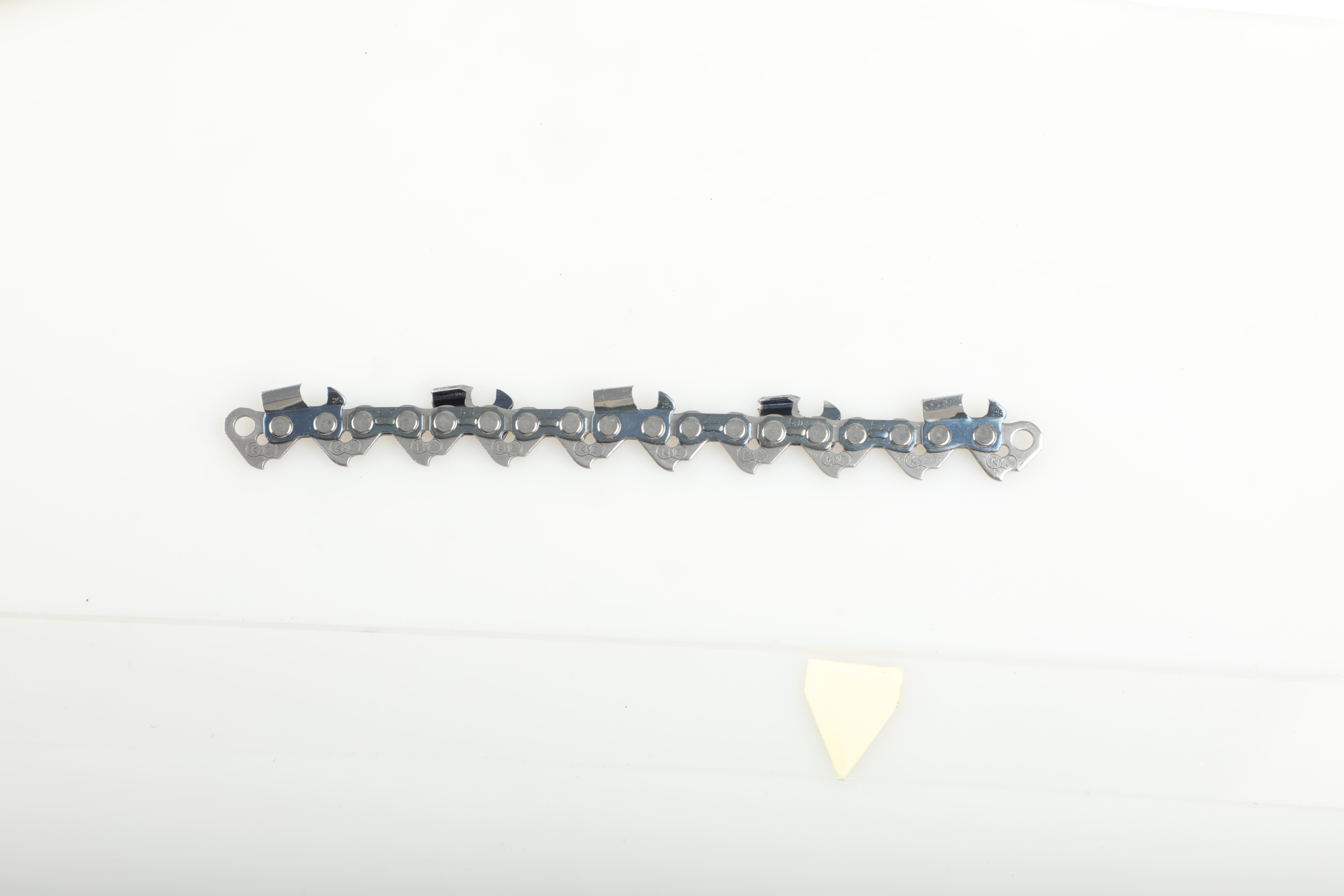
OEM development should move through documented gates so the product, label and order remain synchronized.
Write the OEM Product and Market Brief
The brief should state the intended market, equipment context, wood condition, service channel and package objective. For private brands, importers and equipment companies developing an OEM chain line, this point should be connected to a written product or order requirement rather than left as a general preference. The response is easier to compare when every candidate uses the same terminology and confirms any exception before work begins.
The practical action is to combine the commercial brief with exact pitch, gauge, drive-link count, cutter profile and chassis requirements. Keep the result with the quotation, sample or order record so later decisions use the approved version. When several chain configurations are involved, separate them by pitch, gauge and drive-link count instead of combining different loops in one description.
A common failure is starting artwork or price negotiation before the fit-critical chain definition is complete. The guardrail is to make technical approval the first formal gate and keep unsupported compatibility claims out of the brief. This does not eliminate every supply or operating risk, but it makes the decision visible, reviewable and easier to correct before a full order is packed or used.
| Decision point | What to confirm | Why it matters |
|---|---|---|
| Requirement | Product and market brief | Defines the intended outcome |
| Feasibility | Written exceptions and options | Prevents unrealistic assumptions |
| Sample | Measured loop and test record | Confirms the physical product |
| Packaging | Approved artwork and code | Connects branding to fit data |
| Pilot release | Controlled small production order | Tests repeat execution |
Run a Feasibility and Gap Review
The manufacturer should compare the brief with available components, process routes, testing and package formats. For private brands, importers and equipment companies developing an OEM chain line, this point should be connected to a written product or order requirement rather than left as a general preference. The response is easier to compare when every candidate uses the same terminology and confirms any exception before work begins.
The practical action is to record every accepted value, open question, proposed alternative and item that requires a new sample. Keep the result with the quotation, sample or order record so later decisions use the approved version. When several chain configurations are involved, separate them by pitch, gauge and drive-link count instead of combining different loops in one description.
A common failure is treating silence as approval and discovering after ordering that a gauge, cutter or package was assumed. The guardrail is to require a signed or clearly acknowledged technical summary before sample work begins. This does not eliminate every supply or operating risk, but it makes the decision visible, reviewable and easier to correct before a full order is packed or used.
Produce and Evaluate Technical Samples
Samples should represent each fit-critical combination and carry temporary identification linked to the development record. For private brands, importers and equipment companies developing an OEM chain line, this point should be connected to a written product or order requirement rather than left as a general preference. The response is easier to compare when every candidate uses the same terminology and confirms any exception before work begins.
The practical action is to count drive links, confirm pitch and gauge, inspect cutter form and evaluate fit on the intended bar and drive system. Keep the result with the quotation, sample or order record so later decisions use the approved version. When several chain configurations are involved, separate them by pitch, gauge and drive-link count instead of combining different loops in one description.
A common failure is approving one convenient stock loop as proof for a range of different specifications. The guardrail is to create a sample plan and document acceptance, conditions, observations and required revisions. This does not eliminate every supply or operating risk, but it makes the decision visible, reviewable and easier to correct before a full order is packed or used.
Develop Product Codes, Branding and Packaging
Every package should connect the brand-facing name to a stable code, dimensions, chain type and quantity. For private brands, importers and equipment companies developing an OEM chain line, this point should be connected to a written product or order requirement rather than left as a general preference. The response is easier to compare when every candidate uses the same terminology and confirms any exception before work begins.
The practical action is to prepare artwork from controlled product data and review the digital proof, barcode and printed sample. Keep the result with the quotation, sample or order record so later decisions use the approved version. When several chain configurations are involved, separate them by pitch, gauge and drive-link count instead of combining different loops in one description.
A common failure is copying a package template while leaving an old drive-link count, unit or compatibility statement in place. The guardrail is to use an artwork checklist and require technical as well as marketing approval. This does not eliminate every supply or operating risk, but it makes the decision visible, reviewable and easier to correct before a full order is packed or used.
Use a Pilot Order to Test Repeatability
The pilot should exercise order entry, material issue, production records, inspection, labeling, carton packing and shipping documents. For private brands, importers and equipment companies developing an OEM chain line, this point should be connected to a written product or order requirement rather than left as a general preference. The response is easier to compare when every candidate uses the same terminology and confirms any exception before work begins.
The practical action is to include representative configurations and perform receiving checks before the stock is released to the market. Keep the result with the quotation, sample or order record so later decisions use the approved version. When several chain configurations are involved, separate them by pitch, gauge and drive-link count instead of combining different loops in one description.
A common failure is moving directly from a hand-prepared sample to a large mixed-SKU production order. The guardrail is to limit the first release, define acceptance checks and close discrepancies before increasing volume. This does not eliminate every supply or operating risk, but it makes the decision visible, reviewable and easier to correct before a full order is packed or used.
Release the OEM Chain and Manage Changes
Final release should include the chain specification, product code, sample record, artwork, packing plan and quality requirements. For private brands, importers and equipment companies developing an OEM chain line, this point should be connected to a written product or order requirement rather than left as a general preference. The response is easier to compare when every candidate uses the same terminology and confirms any exception before work begins.
The practical action is to assign revision numbers and specify who can approve changes from either the buyer or manufacturer. Keep the result with the quotation, sample or order record so later decisions use the approved version. When several chain configurations are involved, separate them by pitch, gauge and drive-link count instead of combining different loops in one description.
A common failure is allowing a material, label or carton adjustment to enter a repeat order without impact review. The guardrail is to require written notification, updated records and a new sample whenever a fit-critical value changes. This does not eliminate every supply or operating risk, but it makes the decision visible, reviewable and easier to correct before a full order is packed or used.
Frequently Asked Questions
How does an OEM chainsaw chain project start?
It starts with a product and market brief plus a complete chain specification. Define pitch, gauge, drive-link count, cutter form, application, quantities and package goal before requesting samples or artwork.
When should private-label artwork be created?
Create final artwork after the physical chain specification and product code are approved. Early design concepts are possible, but printed data, barcodes and compatibility statements should not be finalized while fit values remain open.
Why is a pilot order necessary after sample approval?
A sample confirms a specific item, while a pilot tests normal production, inspection, labeling, packing and documentation. It reveals execution issues that a hand-prepared sample may not show.
Where can a buyer discuss OEM development with KMC?
Review the OEM service page, then send the product brief and specification through the contact form. Include every planned pitch, gauge, drive-link count and packaging version.
Conclusion
A controlled OEM chainsaw chain development process protects both product fit and brand presentation. Define the requirement, resolve feasibility gaps, approve technical samples, build packaging from controlled data, run a pilot and freeze the release. That sequence gives repeat orders a documented baseline instead of a collection of assumptions.