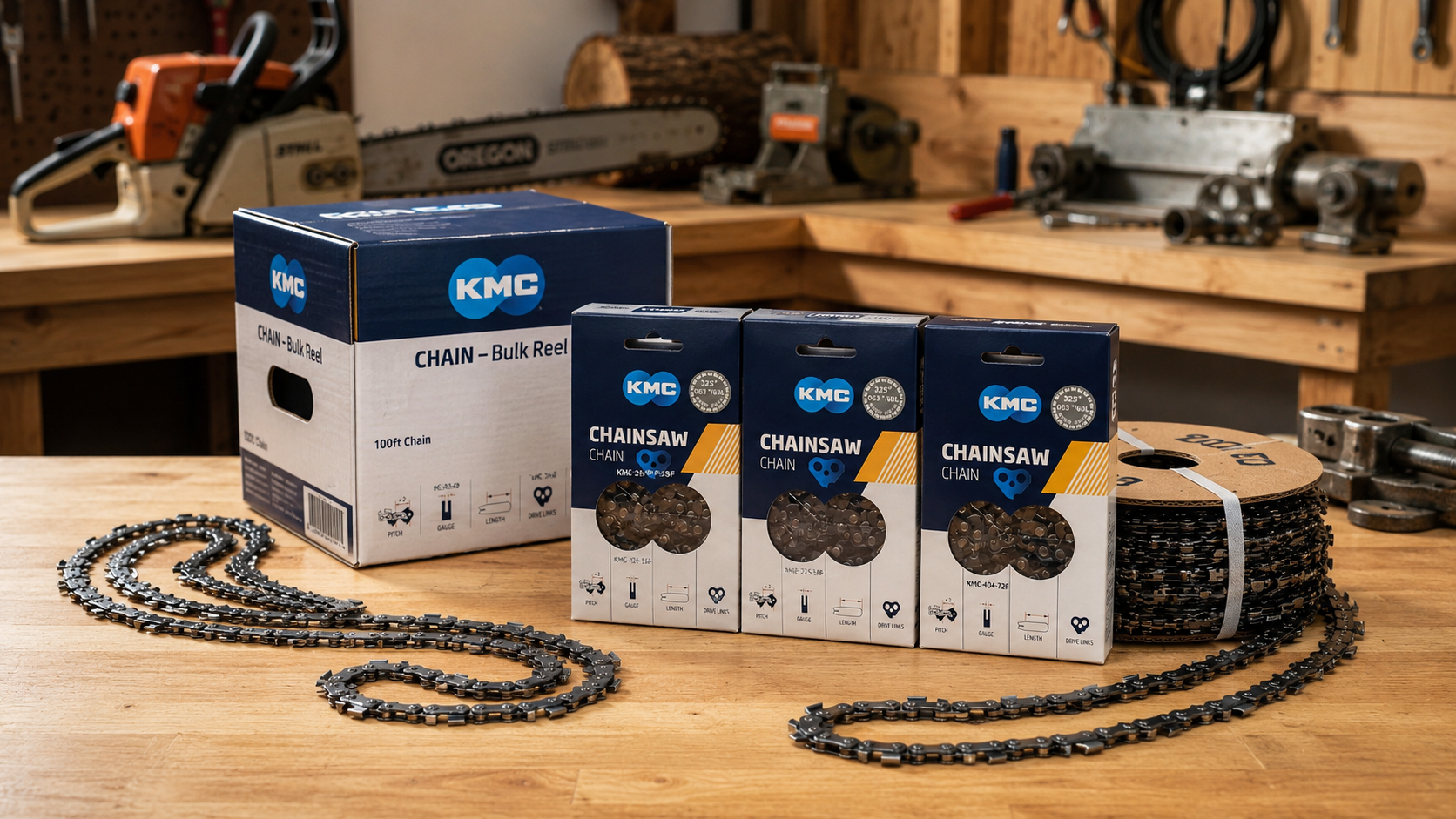
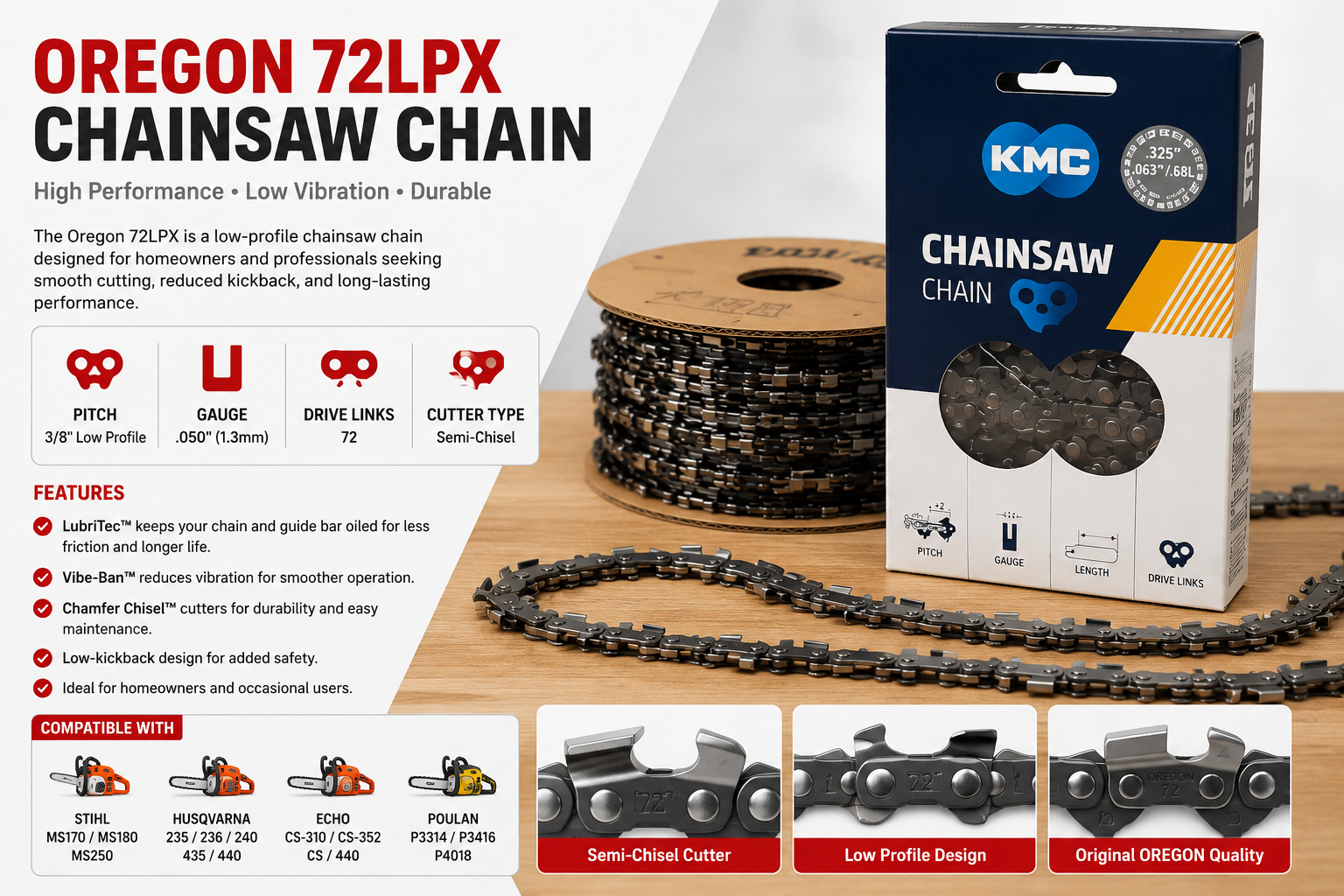
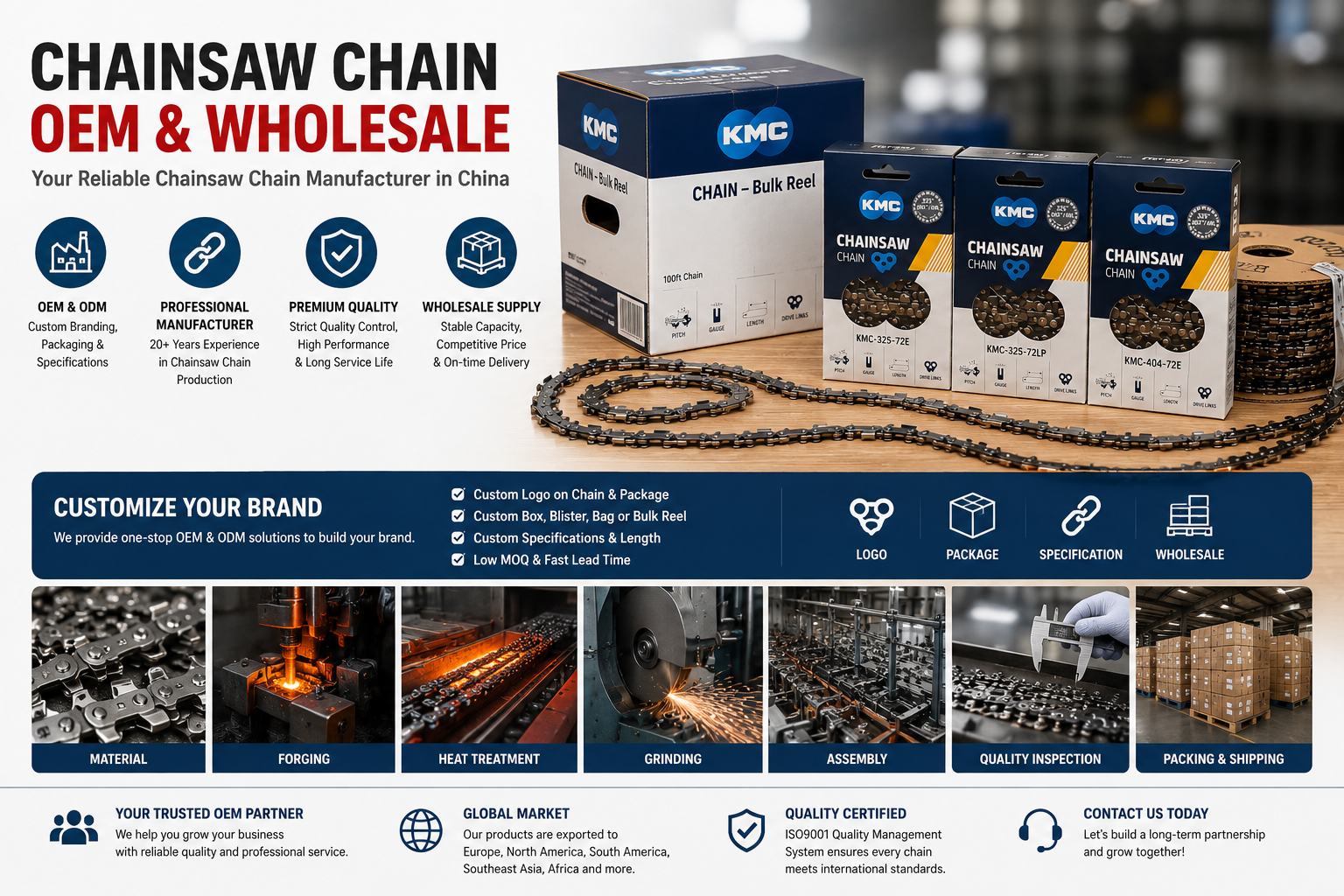
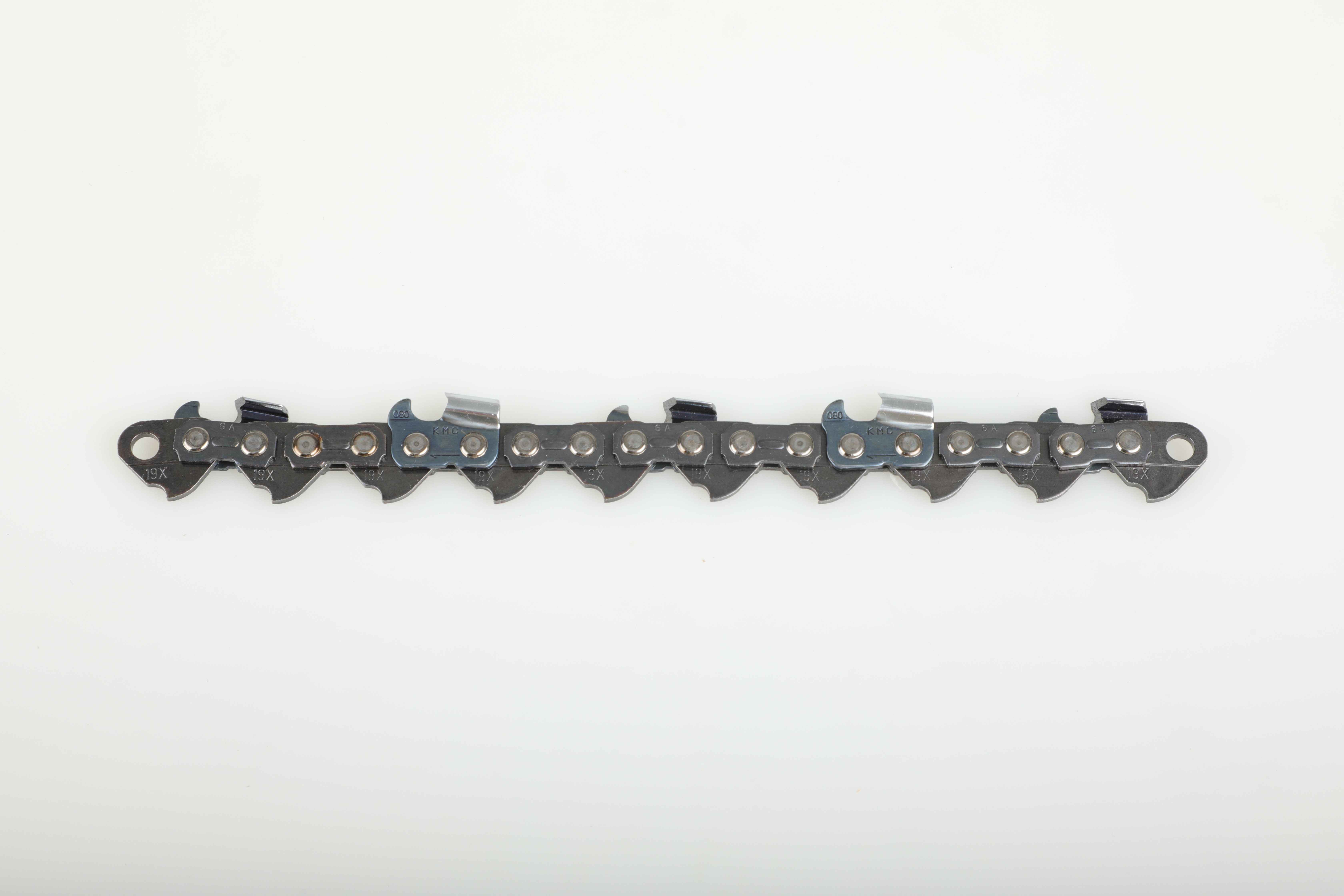
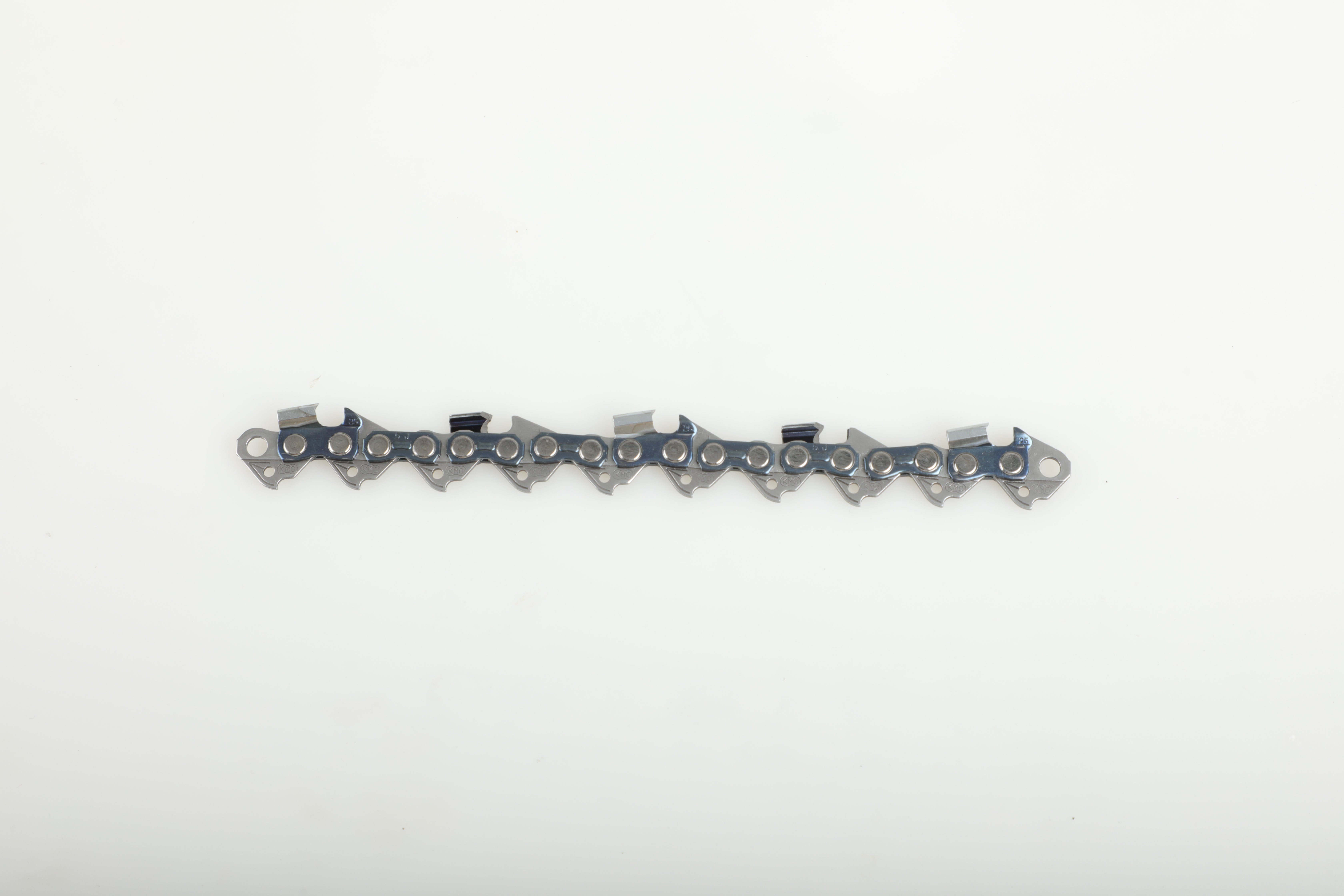
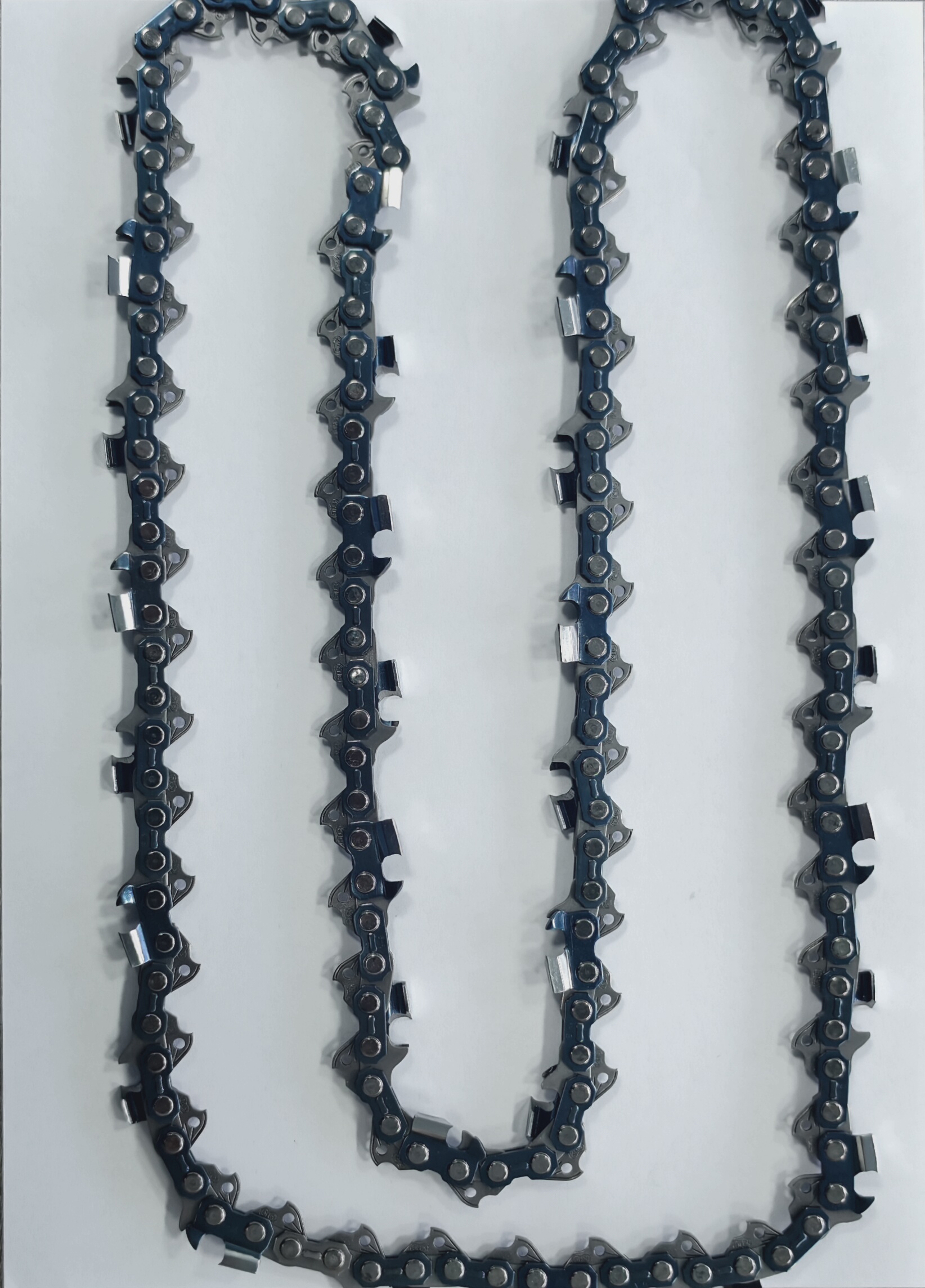
“Custom” should not mean asking a custom chainsaw chain manufacturer to make a loop that somehow fits an undefined saw. The bar, drive sprocket and nose system still govern pitch, gauge and drive-link count. Custom work begins after those constraints are verified: the buyer may need an uncommon DL count, a selected cutter and sequence, private branding or a channel-specific package. KMC buyers can review the published OEM options and then submit one controlled build sheet for every finished variant.
This approach suits OEM product managers, replacement-parts importers, service networks and private-label brands. The first confirmation is the cutting attachment, not the artwork. The build sheet should identify the intended bar and sprocket evidence, then separate chain construction from commercial presentation. A logo change can leave the loop untouched; a gauge change cannot.
A custom chainsaw chain manufacturer needs fixed fitment boundaries
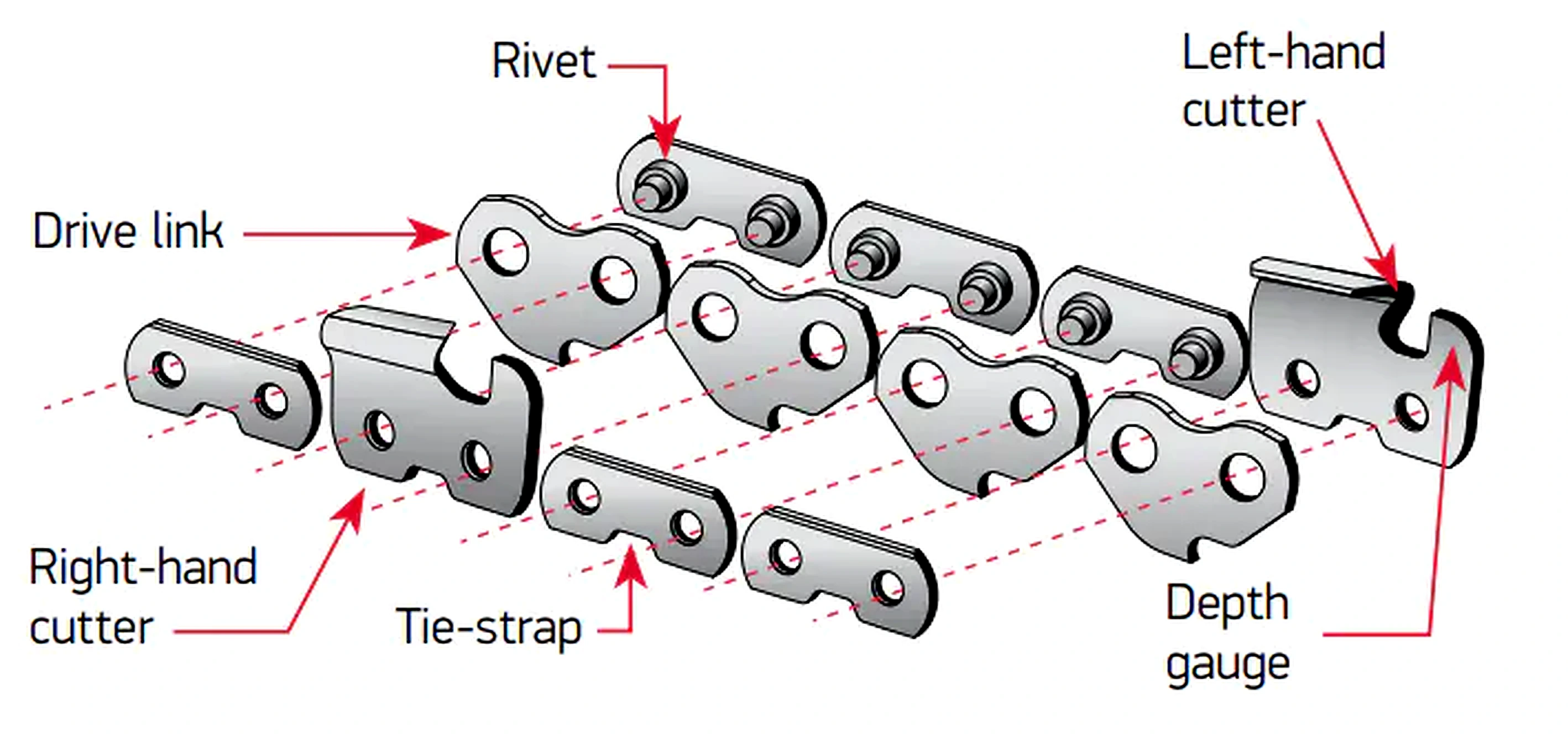
Pitch determines how the chain engages the sprocket system. Gauge is the thickness of the drive link that runs in the bar groove. Drive-link count determines loop length inside that pitch-and-gauge system. Official chain-selection guidance requires all three to match. If one is unknown, mark the request unresolved rather than using nominal bar length as a substitute.
KMC’s OEM page publishes custom routes for .325, 3/8 and .404 pitches, .050, .058 and .063 gauges, and custom DL counts. Its wider product range also contains verified 3/8 LP and 1/4 products. The buyer should choose only a combination supported by the intended equipment; catalogue breadth is not permission to mix components across systems.
An uncommon drive-link count still belongs to a known pitch and gauge
A service network may support an older or specialized bar whose loop length is not one of the supplier’s commonly published options. That can justify a custom DL count, but it does not justify guessing the other dimensions. Count the approved old loop, read the bar and equipment documentation, and record the evidence. If those sources disagree, resolve the attachment before requesting production.
For example, KMC’s verified .325 .050 product publishes 64, 72, 76, 78 and 86 DL. A buyer needing a different count should state .325 pitch and .050 (1.3 mm) gauge explicitly, then provide the verified DL requirement. The custom dimension is the loop count; the rest of the system remains controlled.
Custom does not make .404 .063 and .404 .080 interchangeable
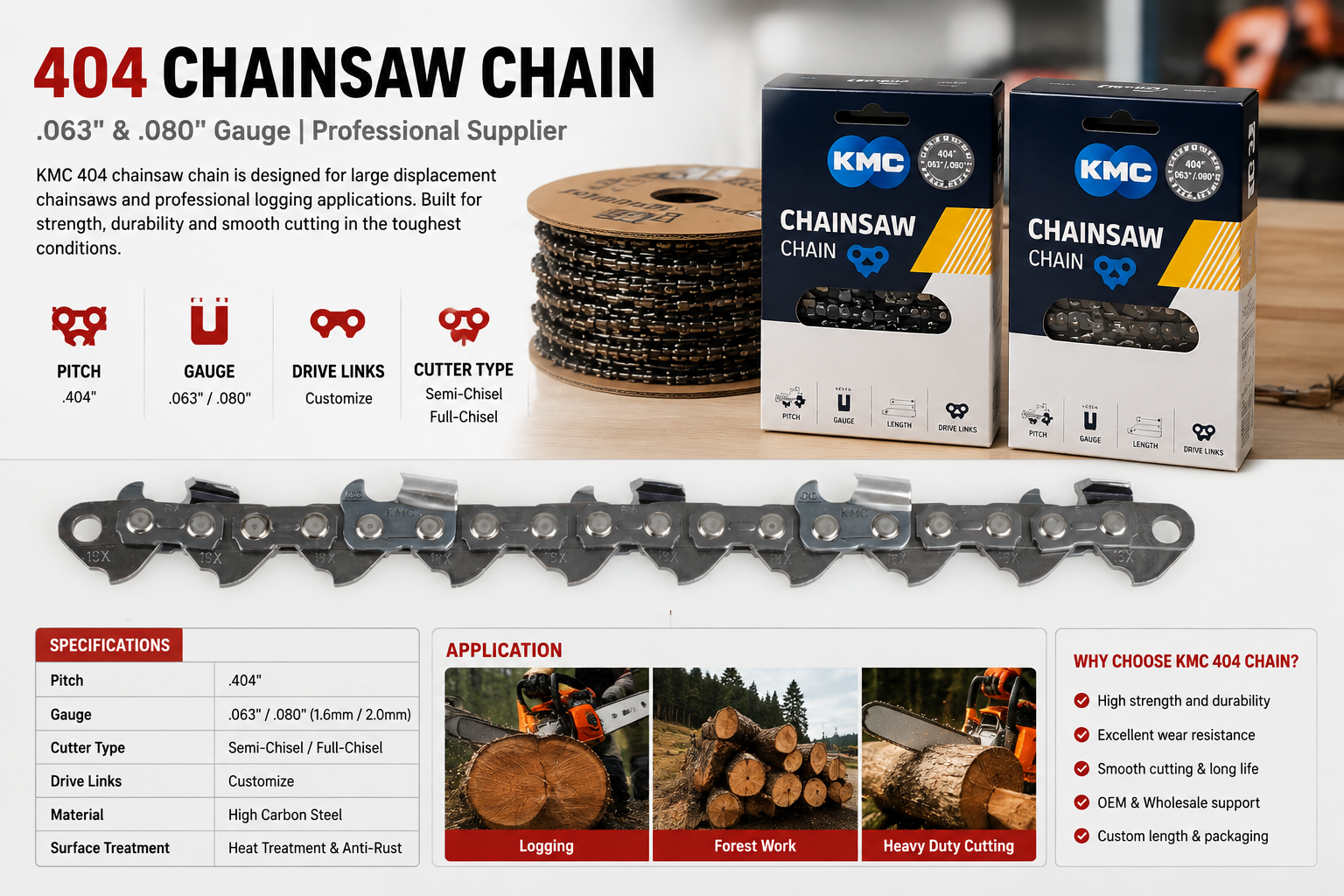
KMC’s .404 family publishes a .404 .063 product with 60, 92, 100 and 104 DL and a separate .404 .080 harvester product with 78, 80, 90, 91, 94, 95 and 100 DL. The shared pitch and 100 DL example can create a false sense of similarity. Gauge and machine system remain different.
A mechanized-forestry buyer should take .404 .080 information from the cutting head, bar and sprocket documentation. A brand ordering .404 .063 for an applicable heavy logging system should preserve that gauge on every record. The manufacturer can customize the agreed loop and package; it should not reinterpret the application boundary.
Put chain construction and retail presentation on separate revisions
A useful build sheet has two linked parts. The technical part controls pitch, gauge, DL, cutter profile, sequence and applicable construction details. The presentation part controls logo, label, barcode, language, unit pack, carton and pallet mark. Each receives its own revision so a graphic update cannot silently change the chain.
| Build-sheet field | Buyer evidence | Change consequence |
|---|---|---|
| Pitch, gauge, DL | Bar, sprocket and approved loop record | New fitment review and sample |
| Cutter and sequence | Application and operator route | New configuration approval |
| Logo and label language | Current brand artwork | New visual proof |
| Barcode and item code | Buyer item master | System and scan test |
| Unit and carton quantity | Channel handling plan | New packing instruction |
Cutter profile should answer the wood condition, not the brand tier
KMC product tables publish semi-chisel and full-chisel routes on several 3/8 LP, .325, 3/8 and .404 chains. Semi-chisel has a rounded working corner and is generally selected where hard, frozen or contaminated wood makes edge tolerance important. Full-chisel has a sharper square corner for fast cutting in clean wood by experienced users.
A custom brand should not label these as a universal “standard” and “premium” ladder. A farm dealer serving varied, dirty bark may prefer semi-chisel even at its highest price tier. A professional clean-softwood program may require full-chisel. Record the intended condition and keep the cutter name on the SKU and package.
Sequence belongs to the loop record before the package name is written
KMC publishes standard, semi-skip and skip sequence options on applicable product pages. Sequence changes cutter spacing; it should follow the bar, powerhead and application rather than a graphic designer’s desire for a “professional” claim. The build sheet should name the chosen sequence and the sample should be checked against it.
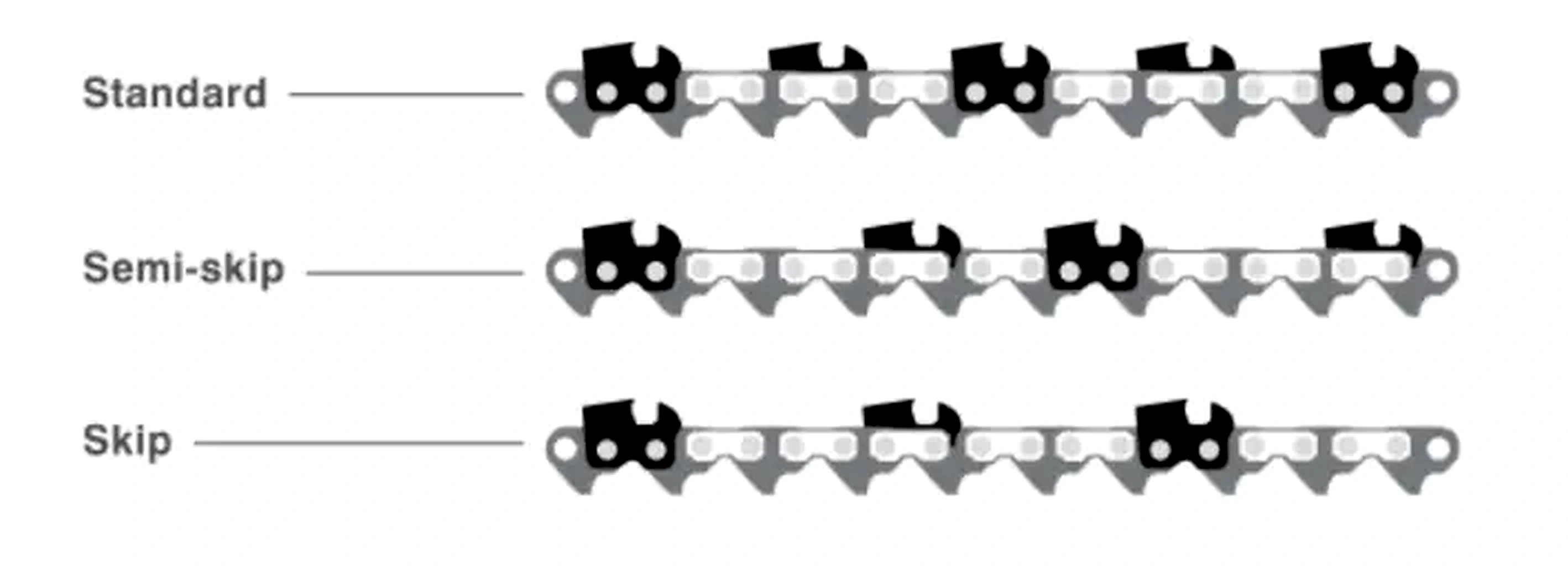
A wholesaler may sell standard-sequence loops for common service work and selected skip configurations for longer professional applications. Create distinct variants. If both use the same pitch, gauge and DL, the sequence and item code prevent warehouse substitution.
The custom sample should test the highest-risk change first
Choose the sample plan based on what is actually new. If only the brand artwork is changing on an already approved loop, a package proof and packed reference may be the main need. If DL, cutter or sequence changes, a technical loop and fitment review come first. If both are new, approve the technical item before freezing the final package.
A new DL count needs physical counting and attachment confirmation
When the custom request exists because of an uncommon loop length, count the sample drive links and compare it with the intended bar/sprocket system using the equipment maker’s instructions. Do not install or operate a questionable chain merely to see whether it works. The reviewer should record the result and retain the tagged sample.
A technical sample can be unbranded. Its purpose is to prove the agreed construction. Once it passes, transfer the exact identity to the artwork. If the technical reviewer changes the DL count, the barcode and package revision must reopen because the finished retail item has changed.
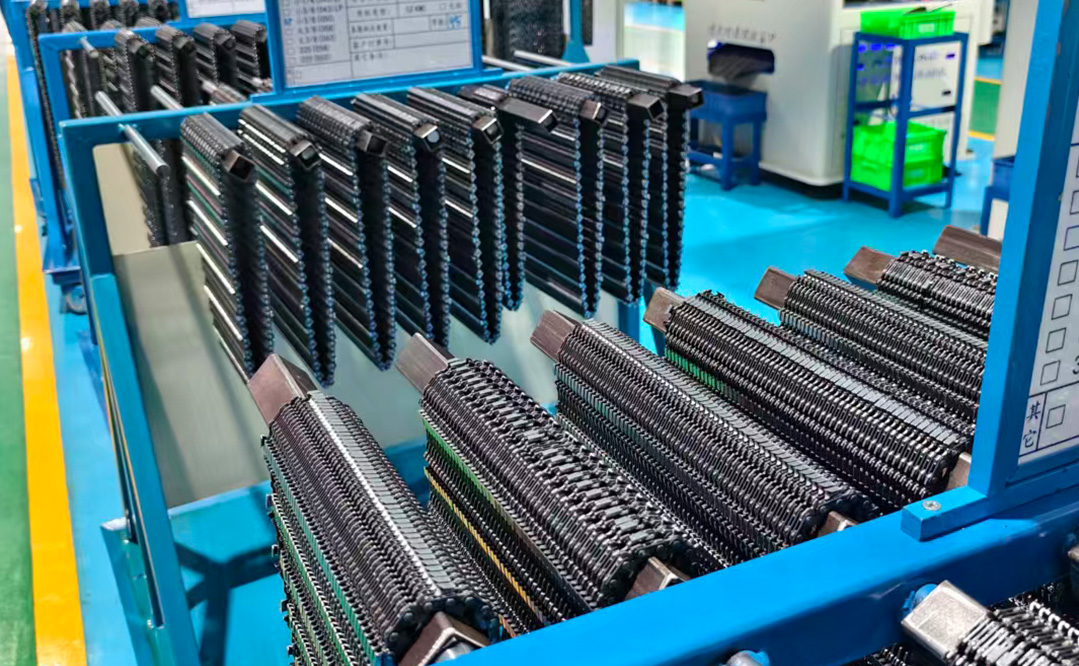
One loop in two packages creates two finished commercial items
A distributor may want the same 3/8 .058 72 DL semi-chisel loop in a blister card for retail and an individual box for service branches. KMC’s verified 3/8 .058 route publishes 68, 72, 76 and 84 DL, while its OEM options include both pack formats.
The underlying chain can share one technical specification, but the finished items need separate package codes, barcodes and carton quantities. Receiving should be able to distinguish them without opening the unit. Sales data then shows which channel format moves, while technical returns still trace to the same approved loop.
Custom packaging should preserve the specification after cartons are split
KMC publishes custom logos, labels, barcodes, multilingual manuals, individual boxes, blister cards, cartons, pallets and 100-foot reels. Assign each format to a real handling route. Pre-cut retail loops need pitch, gauge and DL on the unit. A workshop reel needs pitch, gauge, cutter/sequence identity and a record that remains with the reel while trained staff make loops.
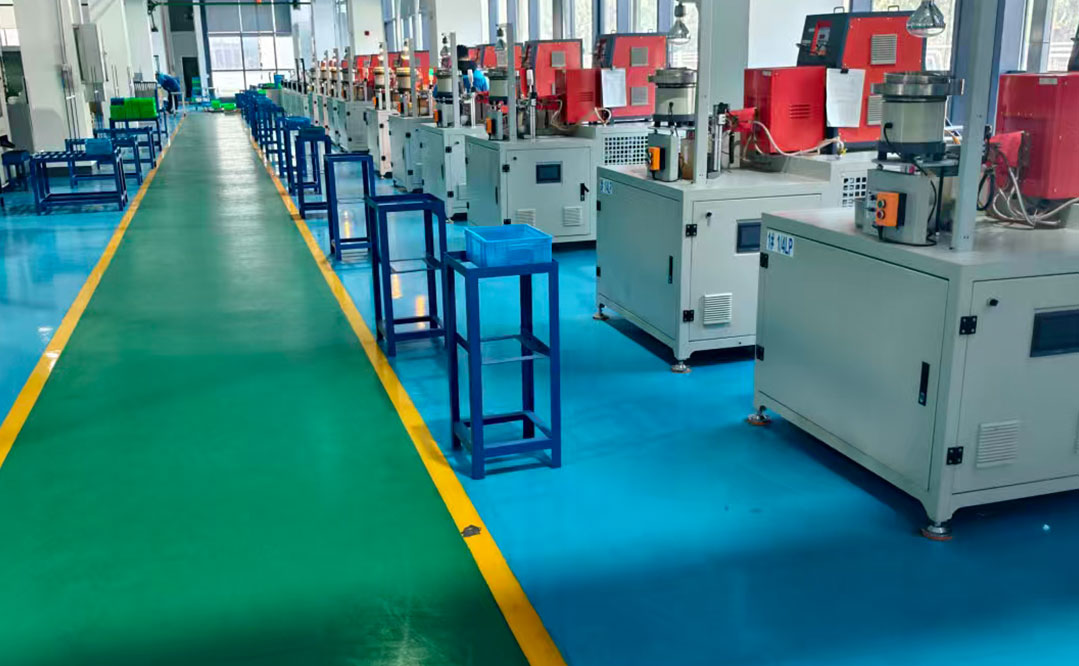
Before the first bulk run, scan the unit code, open a package and compare the loop with the technical record. Then check the carton and pallet mark. A correct outer carton cannot compensate for an ambiguous unit label, because distributors break cartons and move single packs to different locations.
The custom quotation should expose which changes consume time
Ask the manufacturer to separate the technical chain, one-time artwork or setup work, unit packaging, carton configuration and quantity. The goal is not to force a particular price structure; it is to make sure both parties are quoting the same finished item. A low unit figure for an unbranded loop cannot be compared directly with a retail-ready blister package carrying a new barcode and multilingual manual.
A technical change and a graphic change have different approval paths
If a buyer changes only the logo color, the impact may remain inside artwork proof and printing, provided all technical and regulatory information stays correct. Changing .050 to .058 gauge, 72 to 76 DL, semi-chisel to full-chisel or standard to skip sequence creates a different chain variant. It needs a revised technical line, risk review and sample plan. The quotation should show which path applies rather than hiding both under “customization.”
Quantity also matters to scheduling. KMC publishes indicative lead-time bands of 7–10 days for samples, 15–20 days for 1,000–5,000 units, 25–30 days for 5,000–20,000 and 35–45 days above 20,000. Confirm current timing after technical and artwork files are ready. A buyer who changes the build sheet late should request a revised schedule instead of assuming the original date still covers the new work.
For a launch containing several DL counts, ask whether all variants share the same approval date and pack materials. One missing barcode can hold the finished retail shipment even when the loops are assembled. Separating chain readiness from packaging readiness helps the buyer decide whether to release complete SKUs together or adjust the commercial plan without mixing revisions.
Release the custom order from one signed build sheet
Freeze the verified fitment, cutter, sequence and technical sample under one revision. Freeze the brand, barcode and pack under a linked presentation revision. List anything not evaluated, including cutting performance or machine compatibility outside the named attachment. A custom item should have narrower, clearer boundaries than a generic request—not broader claims.
The custom chainsaw chain manufacturer can then quote, sample, assemble and pack against the same record. Release production only when the bar/sprocket evidence, signed technical build and finished-package identity agree. That discipline turns customization into a repeatable product instead of a collection of email exceptions.