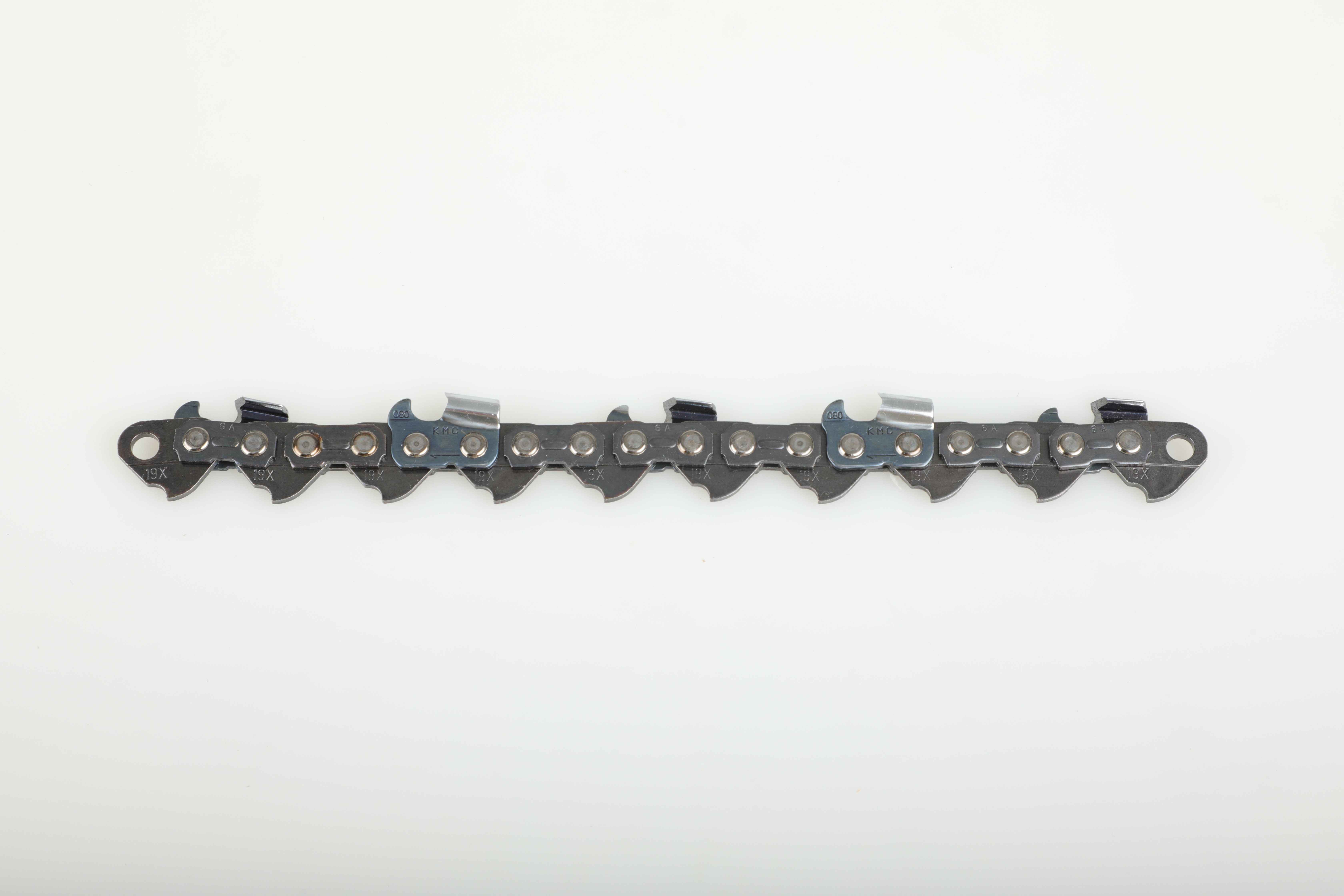
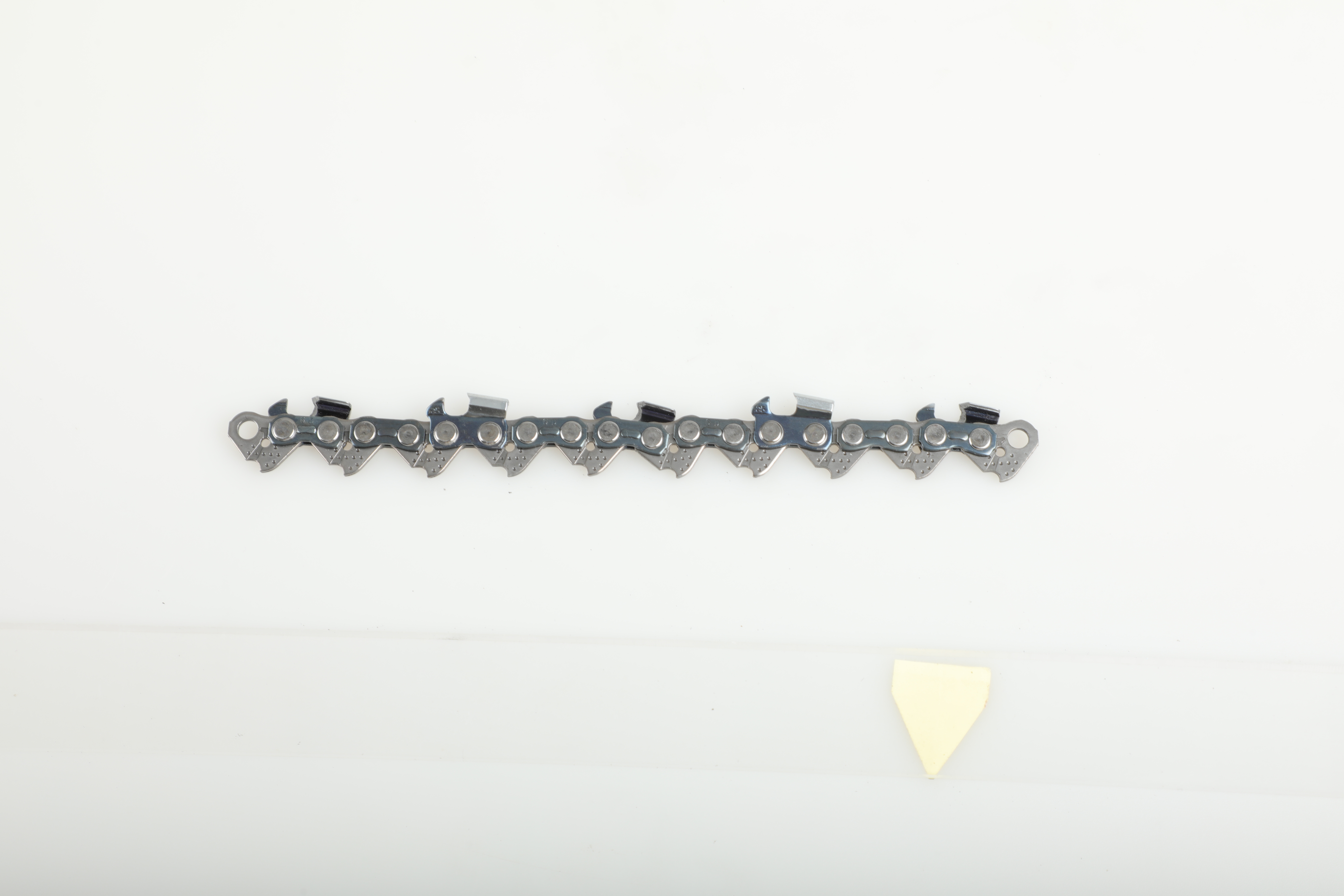
Quick answer: A 1/4 chainsaw chain for pruning and carving must match the compact saw, drive sprocket, guide-bar pitch, gauge and exact drive-link count. Buyers should also confirm the bar nose, cutter or low-profile form and the intended branch, detail or workshop task. Small physical size does not remove the need for compatibility and safe operating guidance.
Quarter-inch chain is associated with compact tools and precise work, yet product configurations still vary. This guide explains how to separate physical fit from the intended pruning or carving result and how to keep small loops correctly labeled in retail and service inventory.
- Verify the full drive system.
- Complete the loop fit.
- Match the complete cutting system.
- Define the task before comparing behavior.
- Inspect compact components frequently.
Table of Contents
- Confirm the Compact Saw Uses 1/4 Pitch
- Match Gauge and Drive-Link Count
- Review Bar Nose and Chain Construction
- Choose for Pruning or Carving Intent
- Maintain Small Chain, Bar and Lubrication
- Label and Store Small Replacement Loops
- Frequently Asked Questions
- Conclusion
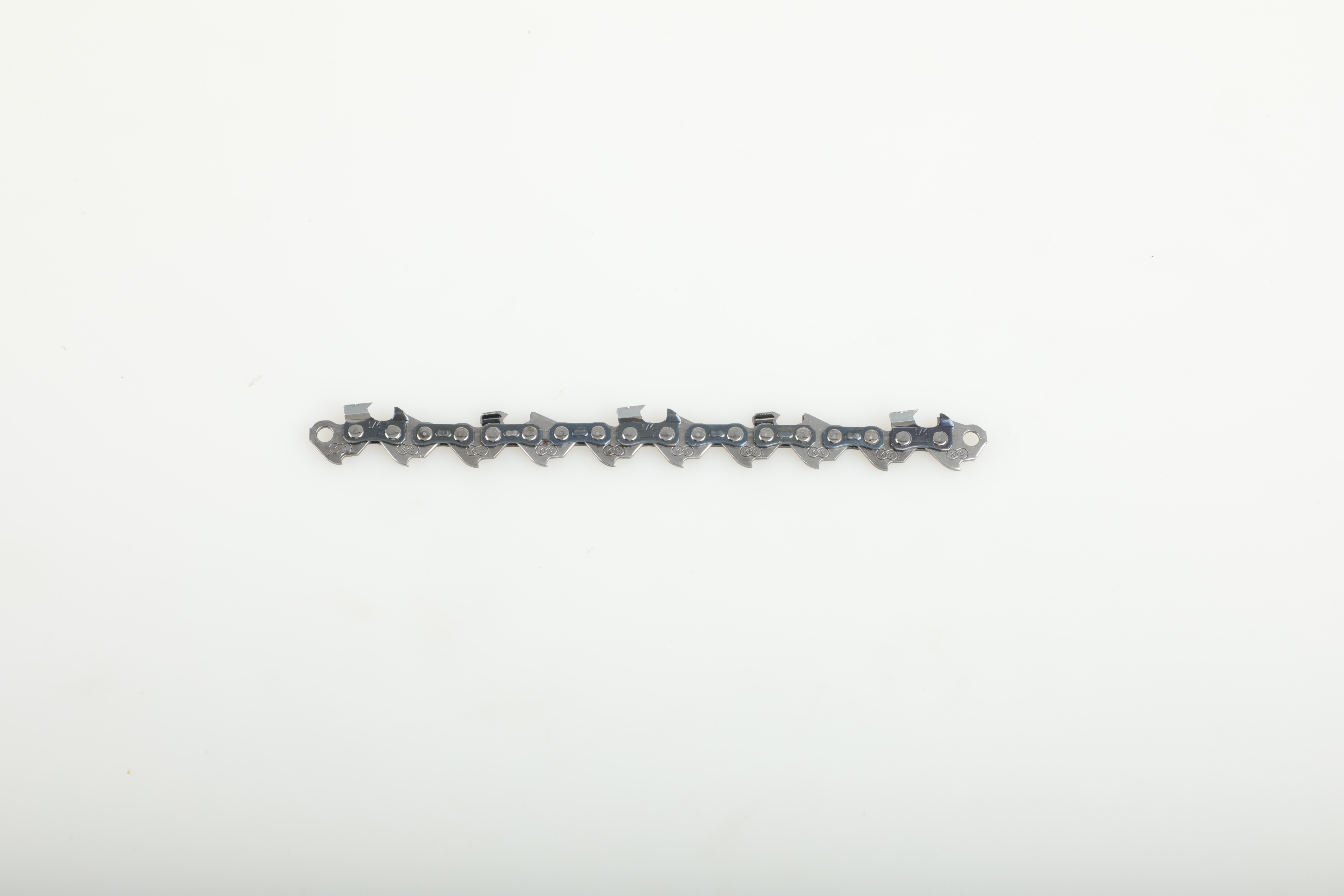
A 1/4 chain can support fine, controlled work when the complete compact-saw system and loop fit are verified.
Confirm the Compact Saw Uses 1/4 Pitch
The sprocket, bar and chain must all be designed for the approved 1/4 system. For arborists, carvers, gardeners and compact-saw retailers, this point should be connected to a written product or order requirement rather than left as a general preference. The response is easier to compare when every candidate uses the same terminology and confirms any exception before work begins.
The practical action is to read equipment and bar information before selecting a product category Keep the result with the quotation, sample or order record so later decisions use the approved version. When several chain configurations are involved, separate them by pitch, gauge and drive-link count instead of combining different loops in one description.
A common failure is choosing by tool size because the saw looks like other 1/4 machines The guardrail is to treat verified pitch as the first mandatory field This does not eliminate every supply or operating risk, but it makes the decision visible, reviewable and easier to correct before a full order is packed or used.
| Decision point | What to confirm | Why it matters |
|---|---|---|
| Pitch | Match sprocket and bar system | Controls drive spacing |
| Gauge | Match the guide-bar groove | Controls drive-link fit |
| Drive links | Use the exact count | Controls loop length |
| Chain form | Match saw class and job | Affects use and maintenance |
| Identification | Keep one code per configuration | Prevents mixed replacements |
Match Gauge and Drive-Link Count
Different compact bars can use different gauges and counts even when pitch and nominal length appear similar. For arborists, carvers, gardeners and compact-saw retailers, this point should be connected to a written product or order requirement rather than left as a general preference. The response is easier to compare when every candidate uses the same terminology and confirms any exception before work begins.
The practical action is to record the bar-groove gauge and count a known correct loop Keep the result with the quotation, sample or order record so later decisions use the approved version. When several chain configurations are involved, separate them by pitch, gauge and drive-link count instead of combining different loops in one description.
A common failure is ordering by six-inch or another bar label alone The guardrail is to use one product code for every gauge-and-count combination This does not eliminate every supply or operating risk, but it makes the decision visible, reviewable and easier to correct before a full order is packed or used.
Review Bar Nose and Chain Construction
Carving, pruning and compact cutting may use different bar noses, kerf and chain forms within approved setups. For arborists, carvers, gardeners and compact-saw retailers, this point should be connected to a written product or order requirement rather than left as a general preference. The response is easier to compare when every candidate uses the same terminology and confirms any exception before work begins.
The practical action is to compare the proposed loop with the current bar, sprocket and equipment guidance Keep the result with the quotation, sample or order record so later decisions use the approved version. When several chain configurations are involved, separate them by pitch, gauge and drive-link count instead of combining different loops in one description.
A common failure is assuming any 1/4 loop fits any carving or pruning bar The guardrail is to approve the exact chain and bar combination rather than a broad category This does not eliminate every supply or operating risk, but it makes the decision visible, reviewable and easier to correct before a full order is packed or used.
Choose for Pruning or Carving Intent
Pruning values controlled branch cuts, while carving may emphasize detail, access and smooth tool handling. For arborists, carvers, gardeners and compact-saw retailers, this point should be connected to a written product or order requirement rather than left as a general preference. The response is easier to compare when every candidate uses the same terminology and confirms any exception before work begins.
The practical action is to describe branch diameter, wood condition, detail level and operator experience Keep the result with the quotation, sample or order record so later decisions use the approved version. When several chain configurations are involved, separate them by pitch, gauge and drive-link count instead of combining different loops in one description.
A common failure is using one general precision claim for every compact task The guardrail is to test compatible chains in representative work and document observations This does not eliminate every supply or operating risk, but it makes the decision visible, reviewable and easier to correct before a full order is packed or used.
Maintain Small Chain, Bar and Lubrication
Small loops still need correct tension, sharp cutters, clean grooves, sound sprockets and reliable oiling. For arborists, carvers, gardeners and compact-saw retailers, this point should be connected to a written product or order requirement rather than left as a general preference. The response is easier to compare when every candidate uses the same terminology and confirms any exception before work begins.
The practical action is to follow tool instructions and stop when the chain binds, loosens or oils poorly Keep the result with the quotation, sample or order record so later decisions use the approved version. When several chain configurations are involved, separate them by pitch, gauge and drive-link count instead of combining different loops in one description.
A common failure is over-tightening because the loop is short or continuing with damaged drive links The guardrail is to service the complete system before returning to work This does not eliminate every supply or operating risk, but it makes the decision visible, reviewable and easier to correct before a full order is packed or used.
Label and Store Small Replacement Loops
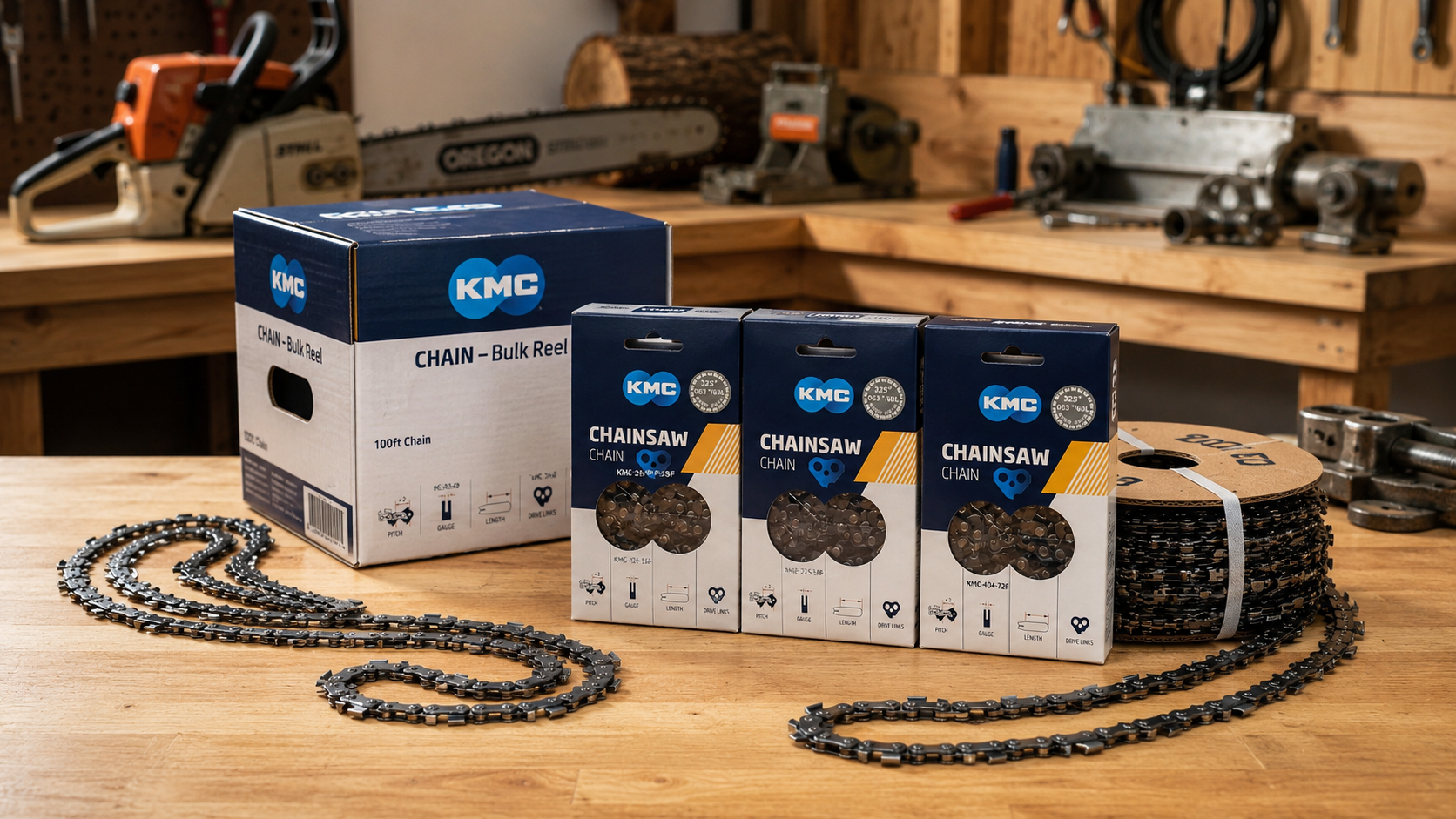
Retail packages and workshop bins should show pitch, gauge, drive links, product code and chain form. For arborists, carvers, gardeners and compact-saw retailers, this point should be connected to a written product or order requirement rather than left as a general preference. The response is easier to compare when every candidate uses the same terminology and confirms any exception before work begins.
The practical action is to use separate barcodes and receiving checks for closely related loops Keep the result with the quotation, sample or order record so later decisions use the approved version. When several chain configurations are involved, separate them by pitch, gauge and drive-link count instead of combining different loops in one description.
A common failure is relying on package color or nominal bar length The guardrail is to make numeric fit data visible on every inner package This does not eliminate every supply or operating risk, but it makes the decision visible, reviewable and easier to correct before a full order is packed or used.
Frequently Asked Questions
Is every 1/4 chain suitable for carving?
No. The chain must match the saw, sprocket, bar pitch, gauge, drive-link count and bar design. Carving suitability also depends on the approved chain form and tool guidance.
Can a pruning saw and carving saw use the same loop?
Only when their complete drive-system and loop specifications match and the chain is approved for both setups. Similar tool size or bar length is not enough.
Why do small bars have different drive-link counts?
Bar mount, nose and tensioning geometry can differ. Count a known correct loop or use verified equipment data rather than assuming one count from nominal length.
Where can I review KMC 1/4 chains?
Visit the 1/4 chainsaw chain category and send gauge, drive-link count and intended task through the contact page.
Conclusion
A 1/4 chainsaw chain for pruning and carving should be chosen from the complete compact-saw system. Confirm pitch, gauge, count, bar nose and construction, then evaluate the specific pruning or detail task. Correct identification and maintenance keep small replacement loops useful and easier to reorder.